The Guardian’s Xan Brooks closes the books on Venice Immersive 2026 today with a festival wrap that matters more for hardware than for any single prize: headsets still dominate the island, but lightweight XR glasses are now a working exhibition format — and the works are starting to leave Lazzaretto Vecchio for museums, location-based venues, and policy rooms.
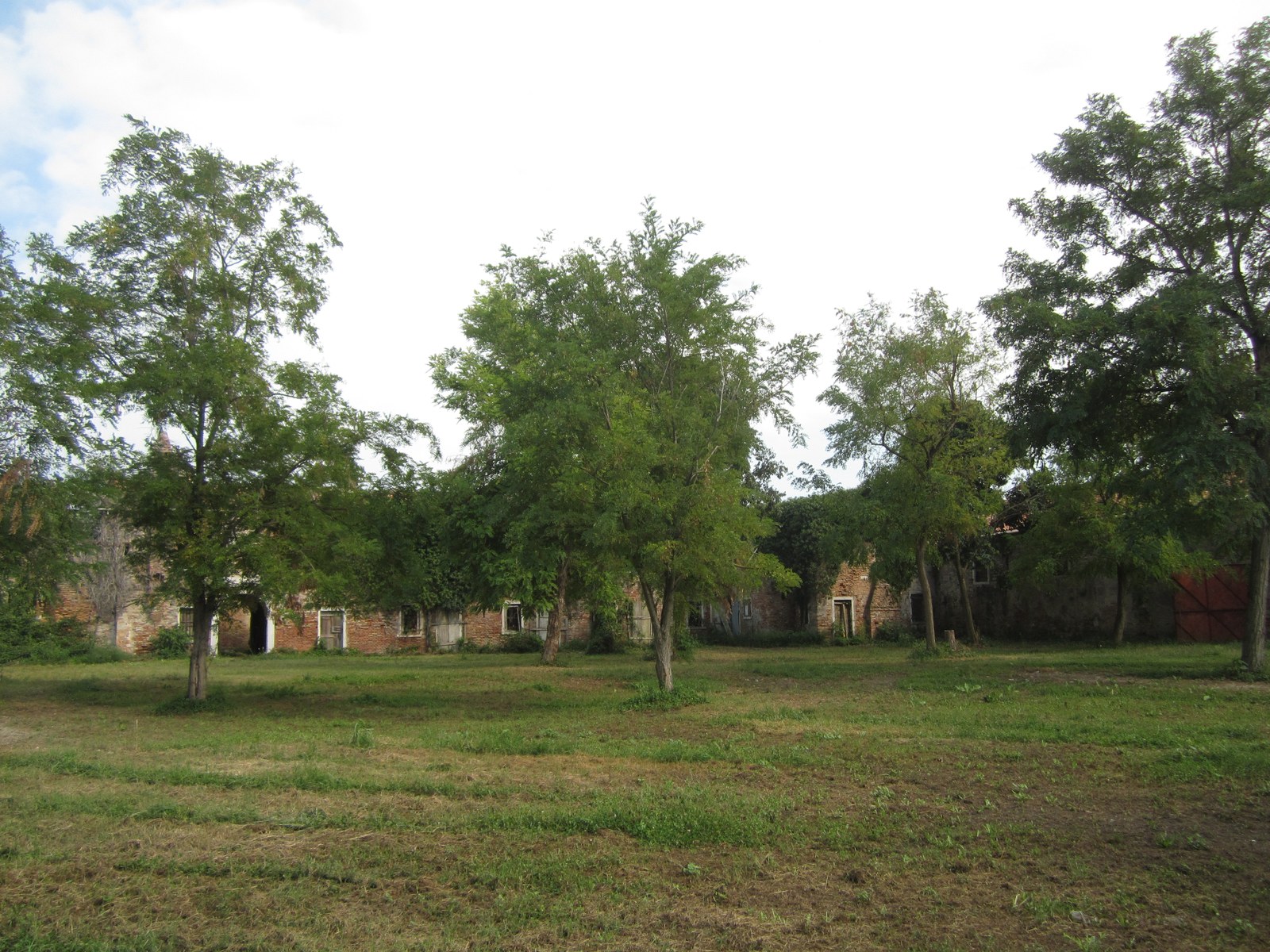
Brooks’s September 12 dispatch lands on the festival’s closing day. Venice Immersive is now 10 years old, with 68 experiences packed onto the small lagoon island. Attendance markers keep rising — two ferry boats instead of one, a bank of food stalls where there used to be dry grass — even as Brooks judges the 2026 slate a notch below 2025’s peak vintage. The program is still strong. The growth story is no longer in doubt.
Glasses arrive. Stories still catch up.
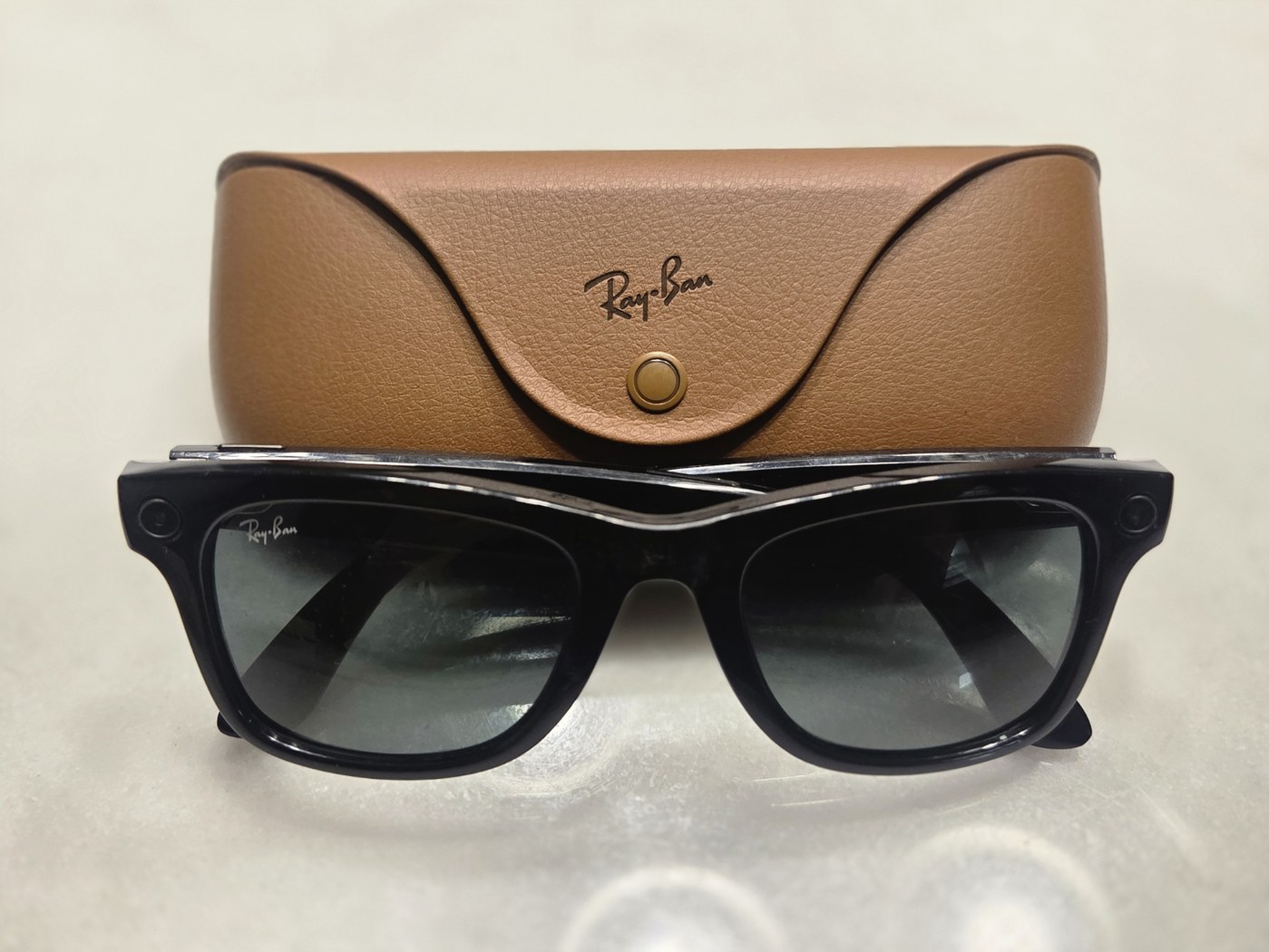
The hardware beat inside the review is blunt. Headsets remain the default. The “new kid” is lightweight XR glasses, already powering several projects including Nevatars, the Andy Serkis–linked kids’ piece. Brooks likes the glasses and is cooler on that particular show — “shrill and simplistic,” too clearly indebted to Inside Out — which is a useful reminder that a better form factor does not automatically buy a better script. We covered Nevatars’ competition slot and Aura presentation earlier this month; today’s Guardian read is the festival-level verdict, not a second product review.
What stayed with the critic
Brooks opens on Celine Daemen’s Nothing to See Here — a chest-high metal box with an eyepiece that stages a Lynchian passerby who is only real inside the device. Elsewhere on the island: Misa Haru’s Tomori folding the room’s tight footprint into the piece; Yuqi Zhang and Shixin Tao’s The Pigeon Ring; Rory Mitchell and Nonny de la Peña’s Out of the Ashes on the 2025 Los Angeles wildfires; Barthélemy Antoine-Loeff and Hugo Arcier’s The White Saboteur, where looking at ice makes it melt; and Raj’in (We Shall Return), Keren Manor and Faiz Abu Rmeleh’s 360 documentary of displaced West Bank communities. The directors tell Brooks that many of the places they filmed from mid-2023 no longer exist.
Distribution, not just selection, is the closing argument. Smithsonian Starstruck and Amsterdam 1652: The Hands of the City already have museum berths — the latter as the centrepiece at the Netherlands’ ENTR VR Museum. Solwata, a Solomon Islands climate portrait with a Mark Ruffalo voiceover from Felix Gaedtke and Gayatri Parameswaran, has already been shown to World Bank audiences and is headed to the UN Climate Change Conference in Turkey in November. Festival organisers point to a boom in location-based exhibition spaces, especially in Asia, as the path that finally gets multi-user installations beyond the lagoon.
Why it matters for the XR calendar
Venice Immersive’s closing note is not a headset SKU or a store price. It is proof that the festival’s 10-year experiment now has two parallel exits: glasses-scale pieces that can travel lighter, and room-scale works that need museums and location-based venues rather than a Quest storefront. Headsets still fill most of the island. Glasses are no longer a side demo. The Guardian’s wrap puts that shift on the record as the 2026 edition ends.
Sources: The Guardian (Xan Brooks, Sept. 12, 2026); prior Metaverse Watcher coverage of Nevatars and Galápagos: The Last Eden.