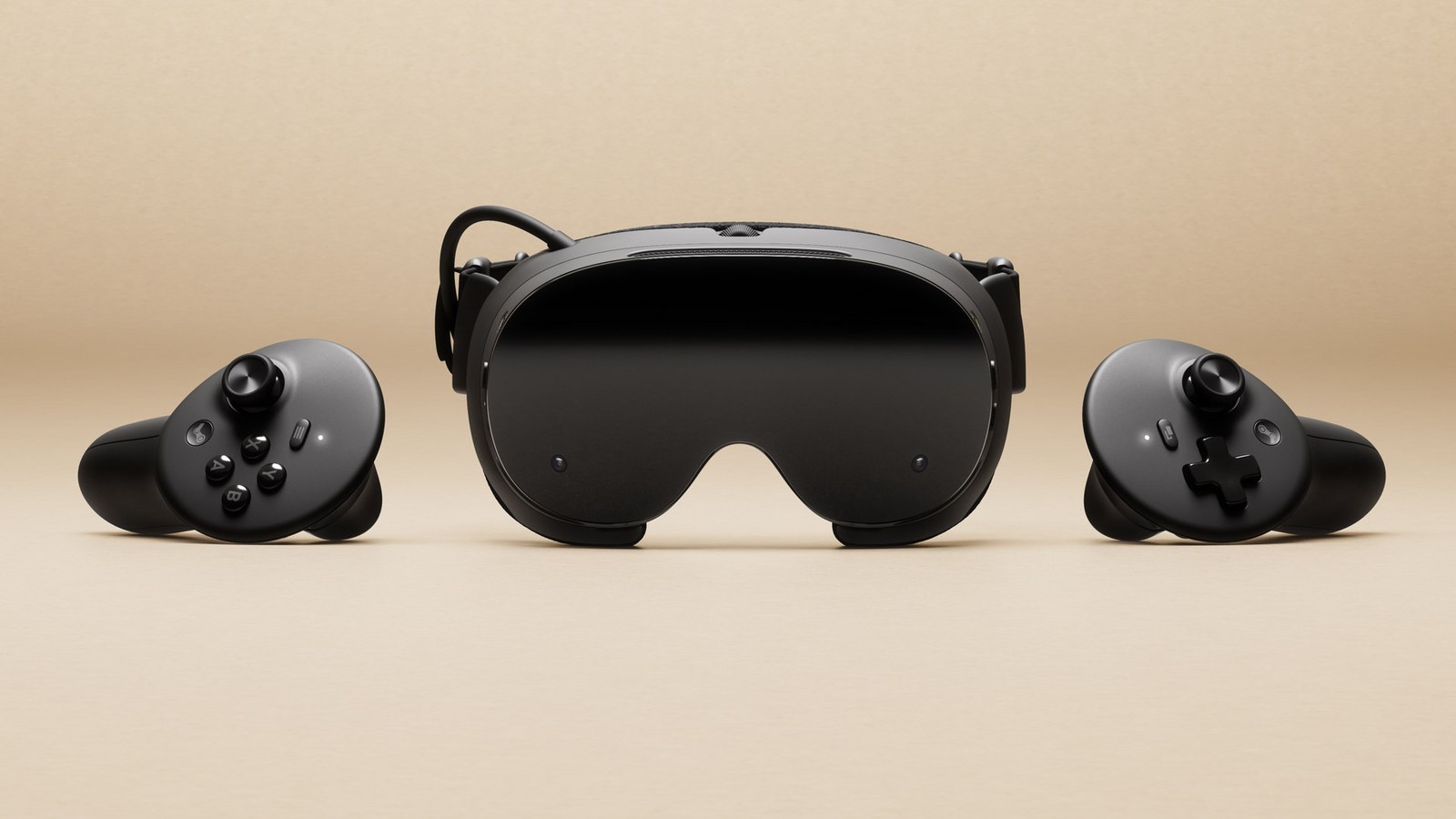
The reservation lottery is open. The other beat landing on the same day is the first wave of full Steam Frame reviews — and they do not read like a finished Quest killer. They read like Valve shipping another Deck-class beta: comfortable, ambitious, and unfinished.
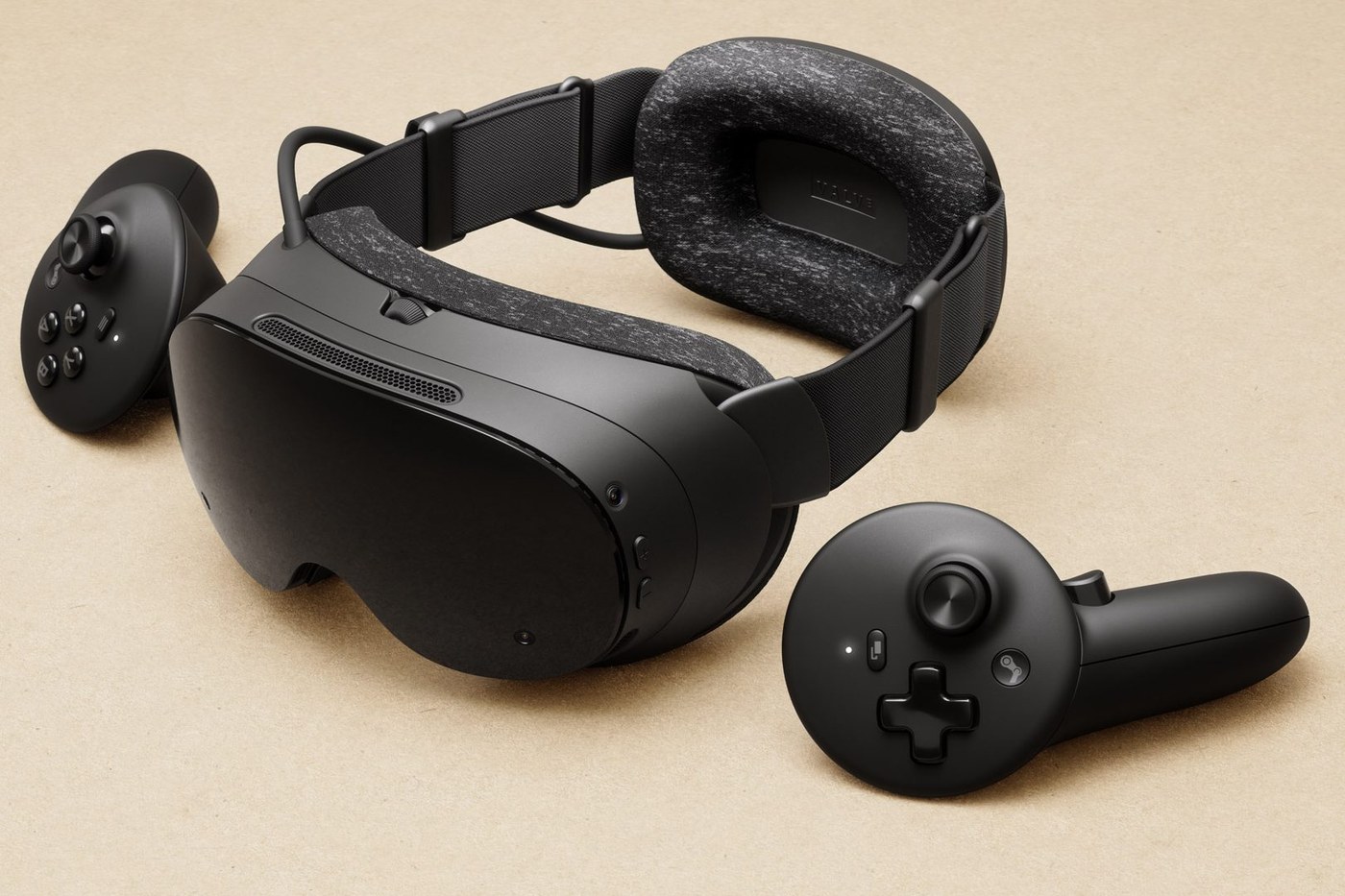
What The Verge and Tom’s Hardware found
The Verge’s Sean Hollister, after nearly three weeks on review hardware, calls Steam Frame the most comfortable headset he has worn — about 469 g with the optional top strap, no face mark after hours — and also “another joyous piece of early access hardware.” Games crash hard enough to force reboots. Virtual screens vanish. Power cuts mid-session. Battery life lands at one to two hours depending on load. Fan noise is audible. Passthrough stays monochrome unless you buy a third-party camera.
The upside, in the same review, is the multi-path library: PC streaming over the included 6 GHz dongle, Arm standalone via Proton/FEX, Android-class titles through Lepton, native Frame builds, and mixed reality through the stock cameras. Hollister ran multi-monitor Windows and Linux desktops in parallel inside the headset, streamed PS5 via Asobi, and watched Netflix in Chromium. Controllers double as a full gamepad. Eye-tracked foveated rendering shows up in titles like Half-Life: Alyx and Dungeons of Eternity. Valve engineer Jeremy Selan told him hand tracking is already working under the hood, Steam Machine → Frame streaming is planned post-launch, and early adopter bug reports are already on the week’s task list.
Tom’s Hardware’s Brandon Hill lands in a similar place after two-plus weeks: attractive and lightweight (440 g with strap versus 809 g for Index), “incredibly reliable” wireless via the Wi-Fi 6E dongle, full Steam catalog when streaming, optimized titles on-device. Verdict: top-notch VR gaming experience if you can swallow the price. Cons are explicit — $1,059 starting price and a standalone performance hit under Arm translation. Specs in that review include 2160×2160 LCD per eye, Snapdragon 8 Gen 3, 16 GB LPDDR5X, 72–120 Hz (144 Hz experimental), ~110° horizontal FoV, 21.6 Wh battery, IPD 57.6–69.6 mm, Wi-Fi 7 on-headset plus the dongle. Streaming Alyx held frame rates on an RTX 4060 Ti class PC; on-device Alyx showed stutters. Runtime: about an hour on native Alyx, more than double when streaming.
How this differs from the price post
Metaverse Watcher’s earlier note today covered pricing, the September 17 reservation lottery, accessories, and Alyx ARM timing. This is the review stack that opened alongside that buy box. The shared thesis across both outlets: comfort and streaming are the product; standalone is a bonus with limits; software maturity is Steam Deck day-one, not Quest Store day-one.
Valve’s own engineer interview with Tom’s Hardware reinforces the framing. Jeff Leinbaugh and Pierre-Loup Griffais describe streaming-first design, eye-tracked foveated streaming that can concentrate roughly “10 times” the effective bitrate where you look, dual-link fallback when one radio path drops, and memory/storage cost pressure baked into the sticker. Griffais’s line on on-device AAA: recent graphically intensive titles “won’t run very well” in the mobile envelope — older catalog and indies are the realistic standalone set.
What buyers should take from day-one reviews
- Comfort is the clearest win versus Quest 3 / Vision Pro face pressure, per Verge.
- Expect 1–2 hours of battery without a pack; USB-C on the rear strap is designed for pocket batteries.
- Treat Frame as streaming-first hardware. Standalone is useful, not parity with a gaming PC.
- Great on Frame / Verified badges are early. Verge counted about 130 Verified titles and still hit audio and input bugs in a verified dungeon crawler.
- Color passthrough is optional ($150 Arcturus Vision Camera into the nose-bridge port, per Verge). Stock cameras are monochrome.
- An “Enthusiast Kit” (extra battery, Index-style floating speakers, eye spacers) is planned with no price or date yet.
Reservation sign-up for the first batch still closes September 17 at 10 AM PT, with first purchase emails expected September 18. Reviews do not change that calendar. They do set expectations for what lands after the lottery: a light headset that asks buyers to beta-test Valve’s wearable PC, not a polished Meta alternative at Meta’s price.
Sources: The Verge (Hollister review, Sep 14), Tom’s Hardware (Hill review, Sep 14), Tom’s Hardware (Valve engineer interview), Steam Frame store page.
1 thought on “Steam Frame Reviews: Comfort Wins, Software Still Early”