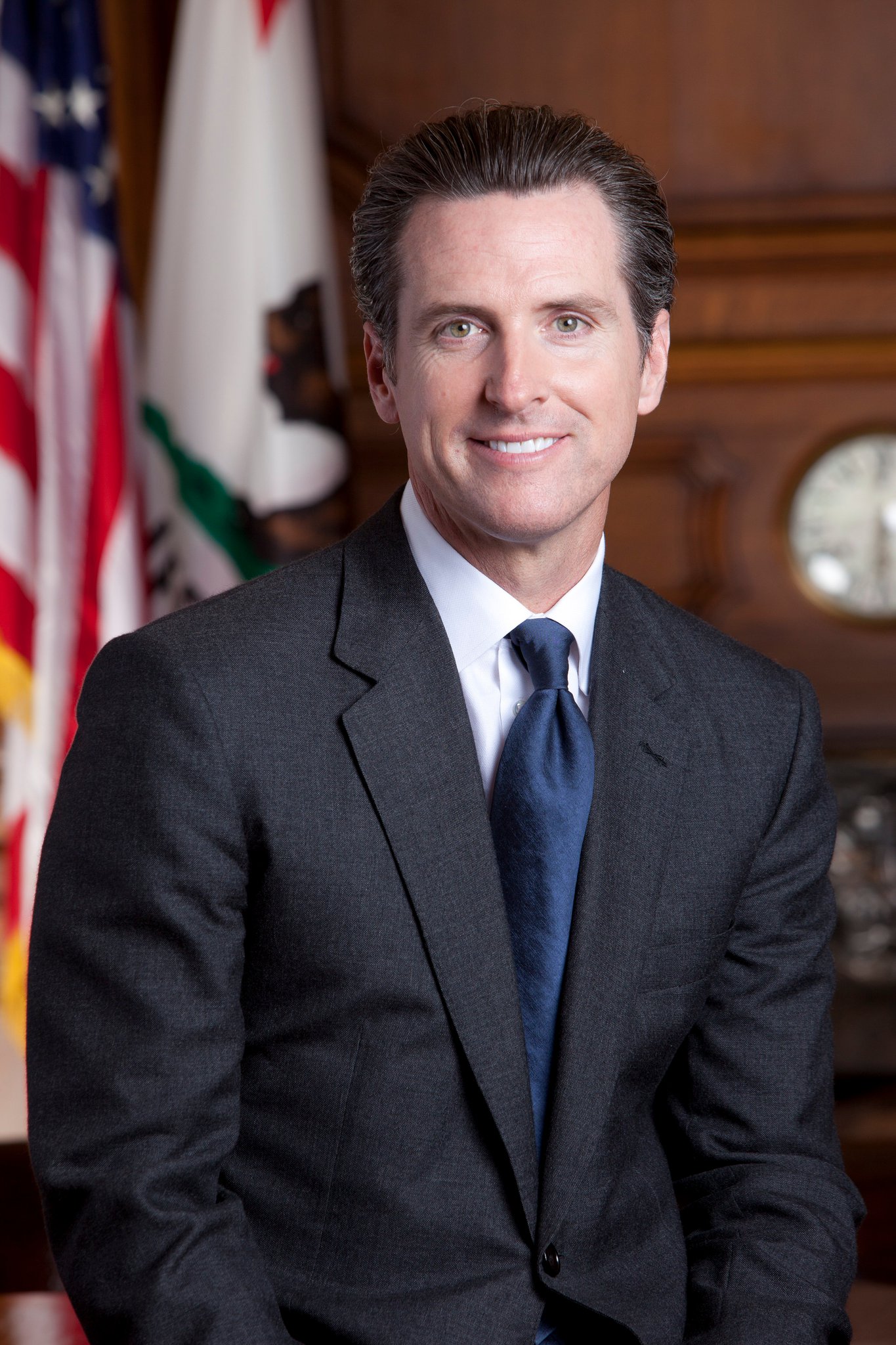
California Governor Gavin Newsom has VETOED Senate Bill 1130, a measure that would have made the state the FIRST in the nation to specifically regulate SECRET RECORDING with smart glasses and other wearables. According to TechCrunch reporting dated October 1, 2026 and an Associated Press account published the same day via LAist, Newsom returned the bill to lawmakers on Wednesday with a letter arguing its definition of a wearable recording device was TOO BROAD and that California ALREADY bars non-consensual recording in spaces with a REASONABLE expectation of privacy.
What SB 1130 Would Have Done
Authored by state senator Eloise Gómez Reyes, the bill targeted recording in places such as CHANGING ROOMS and doctor’s offices — areas people generally treat as PRIVATE. It would also have REQUIRED wearable makers, starting in 2028, to include a LIGHT or other indicator when video or audio capture is ACTIVE, and BANNED the sale of tools designed to CONCEAL that indicator. Violators could have faced prison time or fines up to $1,500; non-compliant device makers faced fines up to $2,500 per violation, per the AP and Engadget’s October 1 summary.

Why Wearables Drove the Fight
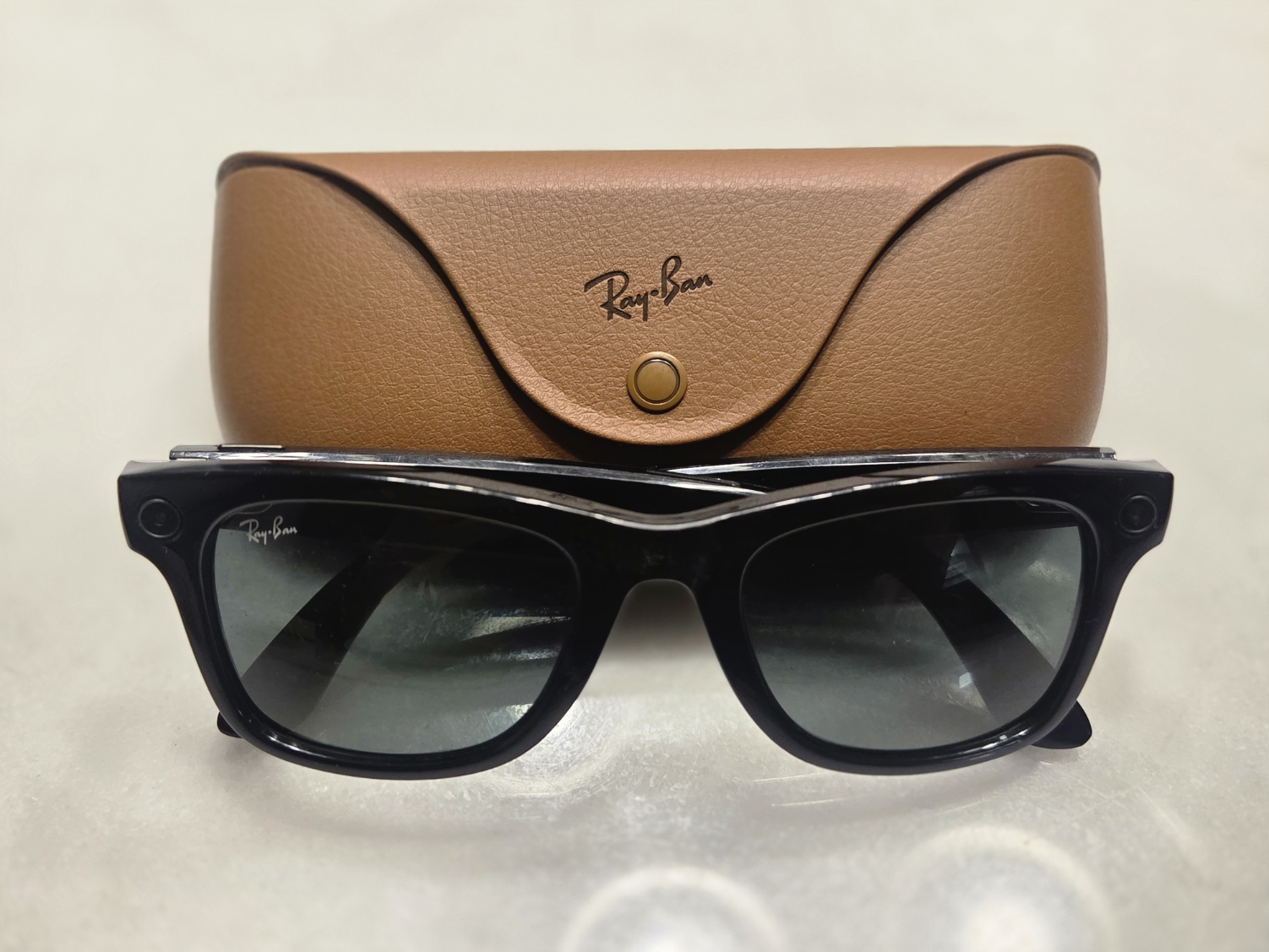
The push reflects a year of privacy BACKLASH around camera-equipped AI glasses. TechCrunch notes Meta sold MORE THAN SEVEN MILLION wearable glasses last year alone; critics have labeled some models “pervert glasses” after reports of COVERT filming and harassment. Consumer Reports and bill supporters pointed to incidents in gyms and clinical settings where recording lights are HARDER to spot than a raised phone. Reyes framed the bill as a RESPONSE to always-listening hardware rolling out FASTER than statute can keep up.
Industry Pushback and Newsom’s Rationale
TechNet — whose members include Meta, Google, and Amazon — opposed the bill as UNFAIR to businesses and customers, arguing California’s existing recording laws are already EXTENSIVE. Newsom’s veto letter, as quoted by Engadget, warned that the DEFINITION of “wearable recording device” could sweep in SMARTWATCHES and other common worn devices, creating CONFUSION and UNINTENDED consequences. A Meta spokesperson told the AP the company remains “committed to continuing prioritizing privacy” while noting early-stage product work and an initiative that supplies glasses to blinded veterans.

What the Veto Leaves Unsettled
California remains a TWO-PARTY CONSENT state for conversation recording, and existing law already RESTRICTS electronic capture where privacy is reasonably expected. What SB 1130 would have ADDED — glasses-specific clarity, MANDATORY recording indicators by 2028, and bans on indicator-masking tech — will NOT take effect. For XR and AI-eyewear makers shipping into the largest U.S. state market, the IMMEDIATE signal is continuity: product indicators and internal policies stay the PRIMARY compliance layer, not a new California misdemeanor tailored to smart glasses. Privacy advocates, including Consumer Reports’ Justin Brookman, argue those devices are HARDER for bystanders to notice than phones — a gap that REMAINS OPEN after the veto.
Sources: TechCrunch (Oct 1, 2026); LAist / Associated Press (Oct 1, 2026); Engadget (Oct 1, 2026).