PsyPost (Karina Petrova, October 4, 2026) covers a Western University experiment SHOWING that IMMERSIVE virtual reality can produce COMPLETE mystical experiences that the same content on a flat MONITOR does not. Among headset users, 28 percent of a guided-imagery group and 18 percent of a guided-meditation group crossed the study’s THRESHOLD — while ZERO participants hit that bar on a standard screen. The finding is a delivery story as much as a consciousness one: the SAME scenes and the SAME audio only cleared the mystical bar when people WORE a headset.
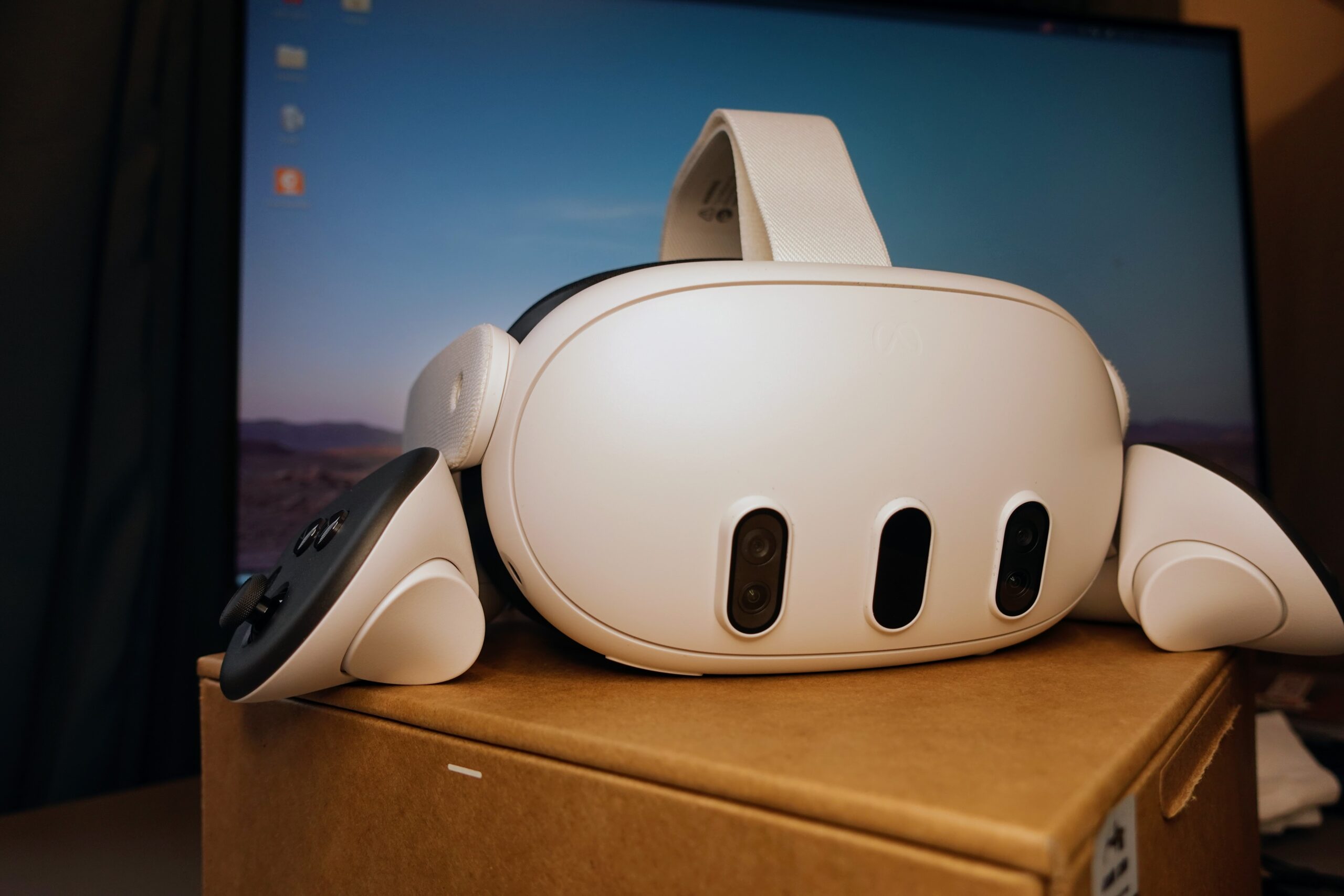
The paper, “Mystical experiences in virtual reality 2: Fantasy versus realism and psychophysiological correlates,” appears in Psychology of Consciousness: Theory, Research, and Practice. Authors Rebekka Miller, Tallulah Nyland, and Paul Frewen asked a pointed QUESTION: does VR need fantastical scenery to trigger self-transcendence, or will a realistic nature setting plus breath-focused meditation work just as WELL? Finding non-pharmacological ways to evoke these states has been a long-running CHALLENGE for consciousness labs that once leaned almost entirely on psychedelic SUBSTANCES. Prior VR mysticism work also LEANED on after-the-fact surveys; this team added body and brain MEASURES during the session itself.
Same Script, Two Screens — Only the Headset Crossed the Line
Eighty young adults used NATURE TREKS: TOGETHER, a three-dimensional nature simulation with islands and underwater landscapes. Users appear as bodiless spirits in tribal masks and gloves — a deliberately DISEMBODIED avatar. One group heard a guided imagery script that shifted from daytime walking into surreal nighttime elements — animal spirits rising from a campfire, a black hole in the sky. The other heard a standard breath-focused guided MEDITATION that replaced those magical beats with attention to internal physical SENSATIONS. Both arms stayed inside the same interactive WORLD; only the display path CHANGED.
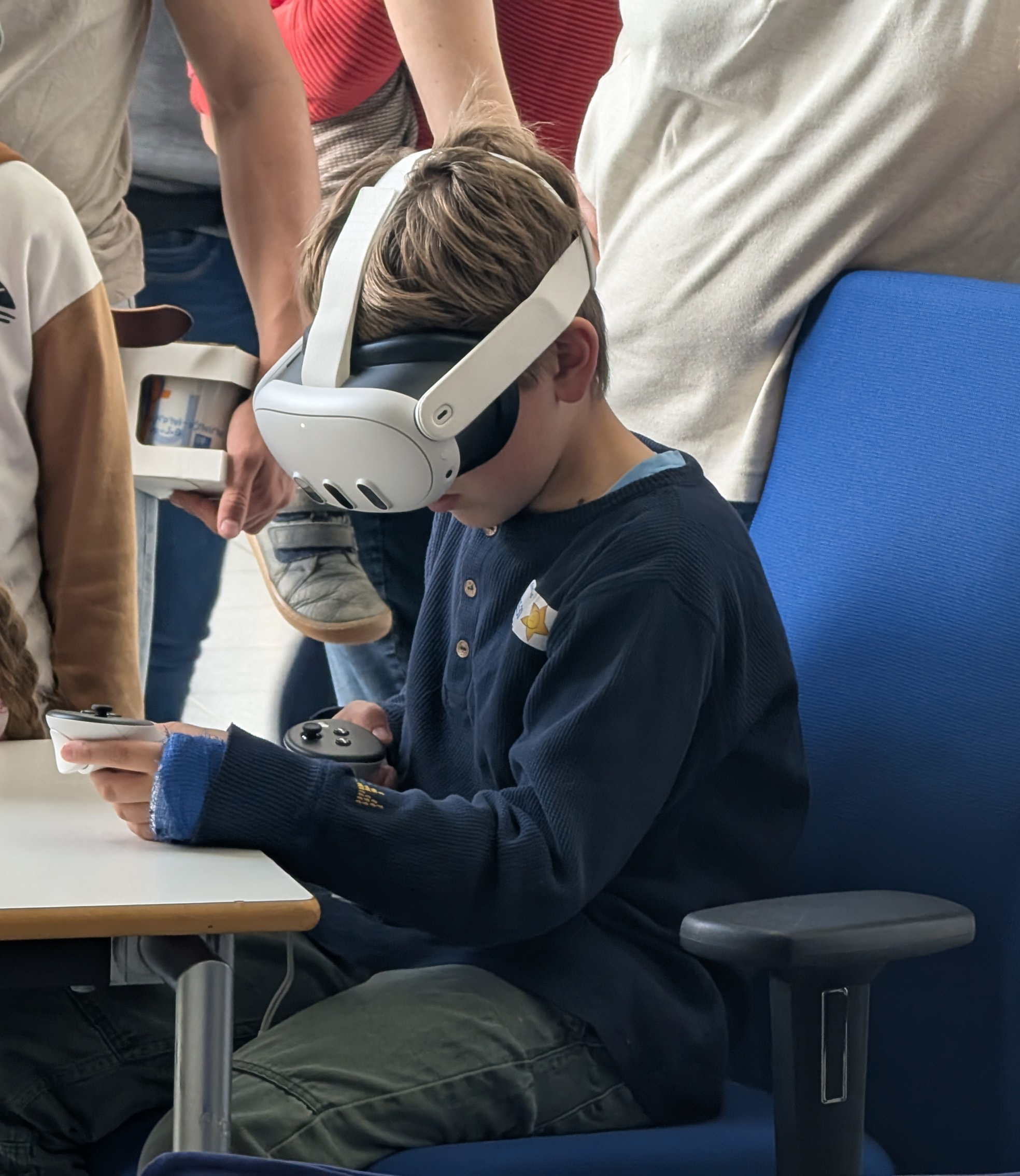
Everyone completed their assigned exercise TWICE in counterbalanced ORDER: once in a fully immersive headset they could look around inside, once on a flat computer monitor with the same audio and visuals while facing FORWARD. After each pass they answered surveys on emotion, presence, and mystical INTENSITY. The lab also recorded forehead-and-ear electroencephalography plus chest-strap heart rate and heart-rate VARIABILITY — a deliberate step beyond earlier mysticism-in-VR studies that relied only on post-session SURVEYS.
A “complete” mystical experience required at least 60 percent of the maximum score on each of four dimensions: feelings of UNITY, transcendence of time and space, intense positive MOOD, and ineffability. Headset sessions CLEARED that bar for meaningful minorities; the flat monitor cleared it for NOBODY. PsyPost notes stronger awe, serenity, interest, and beauty ratings in VR, plus a clearer sense of being physically and temporally PRESENT inside the digital world — the emotional LIFT tracked the headset path. The monitor condition skewed toward boredom and FATIGUE — a FAILURE of engagement, not a mild version of the same state.
Immersion Beat Fantasy — Physiology Agreed
Comparing fantastical imagery to realistic meditation produced remarkably few DIFFERENCES — fantasy was not the REQUIREMENT. Mystical feelings, positive emotions, brain-wave amplitudes, and heart-rate patterns during VR were nearly IDENTICAL across scripts. The authors’ takeaway, as PsyPost frames it: the immersive FORMAT itself — not magic or fantasy content — appears to drive the EFFECT. Even the “realistic” meditation arm rated its environment as highly dreamlike and SURREAL, which may explain why the two scripts CONVERGED.
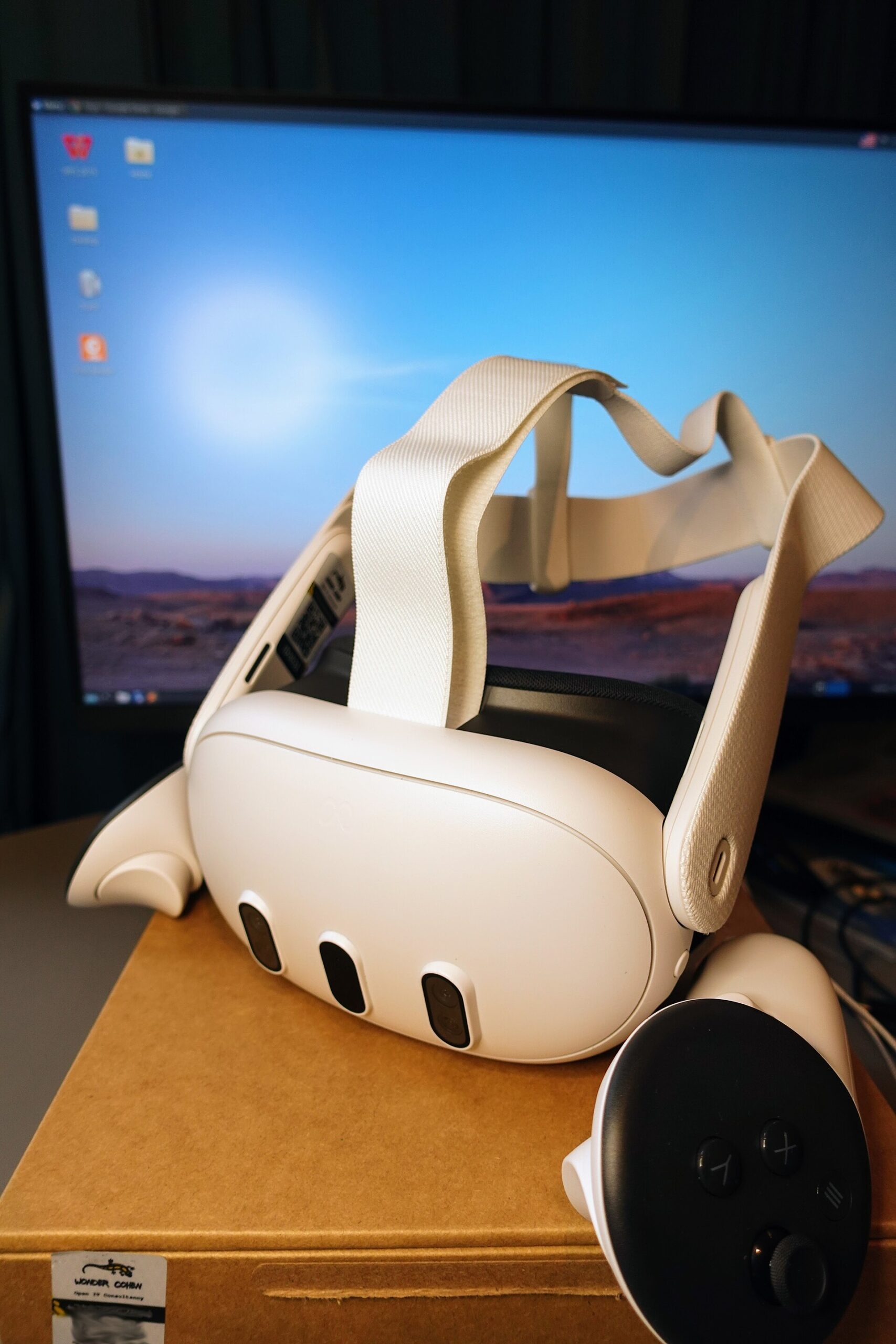
Physiological traces LINED up with the surveys. VR raised electrical activity across theta, alpha, beta, and gamma bands versus the monitor — a pattern PsyPost ties to heightened cognitive and emotional ENGAGEMENT, not a quiet meditative dip. In the second half of headset sessions, overall heart rates were HIGHER and heart-rate variability LOWER. One caveat the paper FLAGS: head movement in VR can inject electrical NOISE into sensors, while the monitor condition kept participants seated and still. Future designs will need to SEPARATE muscle artifact from true neural SIGNAL.
Another limit matters for product and wellness CLAIMS. Running the identical script twice can DULL the sense that something feels miraculous or beyond words. First-exposure designs and broader cultural samples still need WORK before anyone treats the rates as a product PROMISE. Floating as a spirit in pristine digital nature may already BLUR fantasy and reality before any guided imagery begins — a BASELINE oddness the study cannot fully peel away.
For XR readers, the practical signal is delivery MEDIUM. The same Nature Treks scenes and the same audio produced complete mystical reports only when participants wore a headset. Flat-screen wellness apps that REUSE those clips are not the same INTERVENTION. Confirmed across PsyPost’s October 4 write-up and the cited Western University paper: sample of 80, counterbalanced VR versus monitor, 28 percent and 18 percent complete mystical rates in the headset arms, zero on the flat screen, and immersion over fantasy as the main DRIVER. Non-pharmacological mysticism research now has a clearer CONTROL: CHANGE the display, KEEP the script, and watch the complete-experience rate move from measurable to NONE.