Livestream registration is open for September 23–24 in Menlo Park. Pico just cancelled the headset launch that was supposed to jump the line. Glasses, not Quest 4, are the story.
Livestream registration is open for Meta Connect 2026, September 23–24 at the Menlo Park campus. The company is selling the two-day show as a look at “the next computing platform.” The hardware it is actually in position to talk about is on your face, not strapped to it.
That is a sharper story this week than it was last week. ByteDance’s Pico was supposed to debut the Space Pro in Beijing on September 2, three weeks ahead of Connect, with a claimed 4,000 PPI micro-OLED panel and a 270-gram headset. On August 24, Pico cancelled the event and slid the product into the fourth quarter. Software polish was the official reason. The calendar is the more interesting one. September’s headset stage now belongs to whoever Valve puts on Steam Frame, and to whatever Meta is willing to tease in Menlo Park.
What Meta has already said
The save-the-date, posted May 12, is unusually plain about the mix:
Come join us at Connect September 23–24 at our campus in Menlo Park, California, and get the first glimpse of what’s coming to the next computing platform. We’ll have an evening keynote and developer sessions where we’ll share the latest in VR, wearables, metaverse, and AI.
Meta, May 12, 2026
The livestream page fills in the shape. September 23 is a keynote from founder and CEO Mark Zuckerberg. September 24 is the developer state of the union plus technical sessions. The public pitch is “AI technologies, AI glasses and VR.” Glasses are listed second, which is not an accident.
Meta’s own copy on the save-the-date is the tell. The company led with AI glasses as “one of the fastest-growing consumer electronics categories in history,” mentioned Muse Spark (the first of a product-tuned model series it is branding around personal superintelligence), and only then reminded the room that it is “still the biggest investor” in VR. UploadVR, reconstructing the same tease, reported Meta’s figures as more than 7 million AI glasses sold in 2025, with daily usage tripling year over year.

The glasses will take the keynote. The Quest 4 will not.
Companies tease the product they can stand behind. Meta did not dangle a new Quest in the save-the-date. It dangled glasses.
That matches the reporting. VR.org has the next two headsets on 2027 calendars: an ultralight, puck-tethered device (internally tracked as Puffin / Loma / Phoenix) aimed at the first half of 2027, and a more traditional gaming flagship rebooted as Griffin, no earlier than the second half. Both are too far out to launch on September 23. When Reality Labs CTO Andrew Bosworth said in July that Meta was still building headsets and that Connect would have “more to share,” he was talking about a preview, not a preorder.
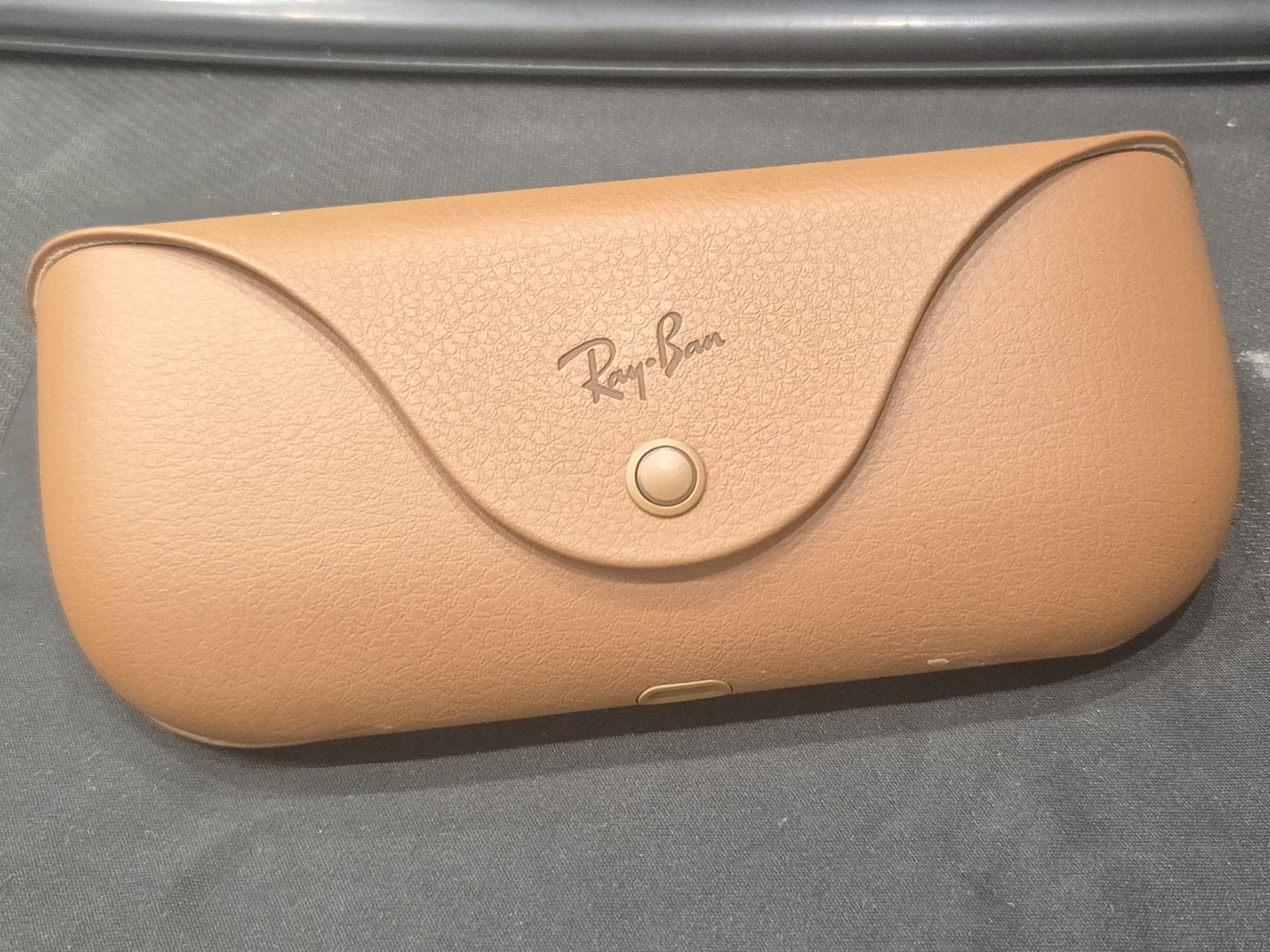
Glasses are the line with actual momentum. Ray-Ban Meta is the one Reality Labs product that has shown up as a bright spot on earnings calls otherwise dominated by losses. UploadVR, citing The Information, says Meta still plans four new glasses models this year under the codenames Modelo, Luna, RBM2 Refresh, and Mojito VIP, and that consumer true-AR testing for Artemis is supposed to start. Treat those names as reporting, not a spec sheet. The plausible Connect outcomes are a successor or sibling to last year’s Ray-Ban Display glasses, more of the neural wristband input Meta has already demoed, and, if the rumor mill is right this time, a first look at a Meta watch. A watch has been rumored and shelved before.
.png)
The competitive clock did not stop when Pico did
Pico leaving September does not give Meta a quiet month. VR.org notes Valve already has FCC certification on Steam Frame, import volume into the United States, a “Great on Frame” store page, and leaked unboxing footage. Samsung’s Galaxy XR is already shipping in the US and South Korea. Android XR display glasses from Samsung and Xreal are on the calendar. Google spent I/O talking about glasses that ship, not glasses that preview.
Meta is the incumbent in consumer smart glasses by a wide margin. It is also choosing to make its loudest noise on September 23, after a summer in which rivals had the stage mostly to themselves. A confident company schedules its tentpole for when it has the strongest hand. Meta clearly thinks that hand is glasses, and that it will be stronger in late September than it is today.
On X, the Connect date has been a slow burn rather than a spike: 58 English posts matching “Meta Connect,” excluding retweets, over the past week. The post that actually moved was TestingCatalog on August 5, flagging that registration had opened.
Software is still moving even if the flagship headset is not
Connect is not only a hardware show, and Quest owners still have something to hold. Horizon OS 2.7 is rolling out with gamepad emulation on Touch Plus controllers (aimed at Xbox and Steam Link) and extended refresh rates on Quest 3: 207 Hz through standard APIs, 240 Hz via ADB in developer mode. Meta says the high-refresh path is exclusive to Quest 3, not 3S.
Separately, dataminer Nori found in-app strings, added in the August 25 Meta Horizon mobile update, describing a migration of mobile game Worlds into a new app internally codenamed Eclipse and currently labeled Horizon Create. UploadVR and VR.org both have the reporting. Meta has not announced a ship date. Connect is the obvious place to do it, or to say nothing and let the strings keep leaking.
What to actually watch on September 23
- Do not expect a Quest 4. That is a 2027 story on the current roadmap.
- Do expect glasses to lead. Display, battery, cameras, and the neural band are the live questions.
- Watch for an ultralight headset tease. A sub-110-gram, puck-tethered prototype would be the most honest thing Meta could show Quest owners this year. It would still be a 2027 product.
- Listen for Worlds. A Horizon Create / Eclipse announcement would confirm the mobile-first reboot rather than leave it in app-store strings.
- Keep one eye on Valve. Steam Frame can still make Meta’s VR segment look like a holding pattern, no matter how good the glasses are.
The cynical read is another AI-heavy keynote with glasses as the hardware hook and VR parked in a developer breakout. The optimistic read is that Meta uses the two days to prove the wearables story is more than a single hit product. Either way, the date is set, Pico is no longer in front of it, and the livestream is open.