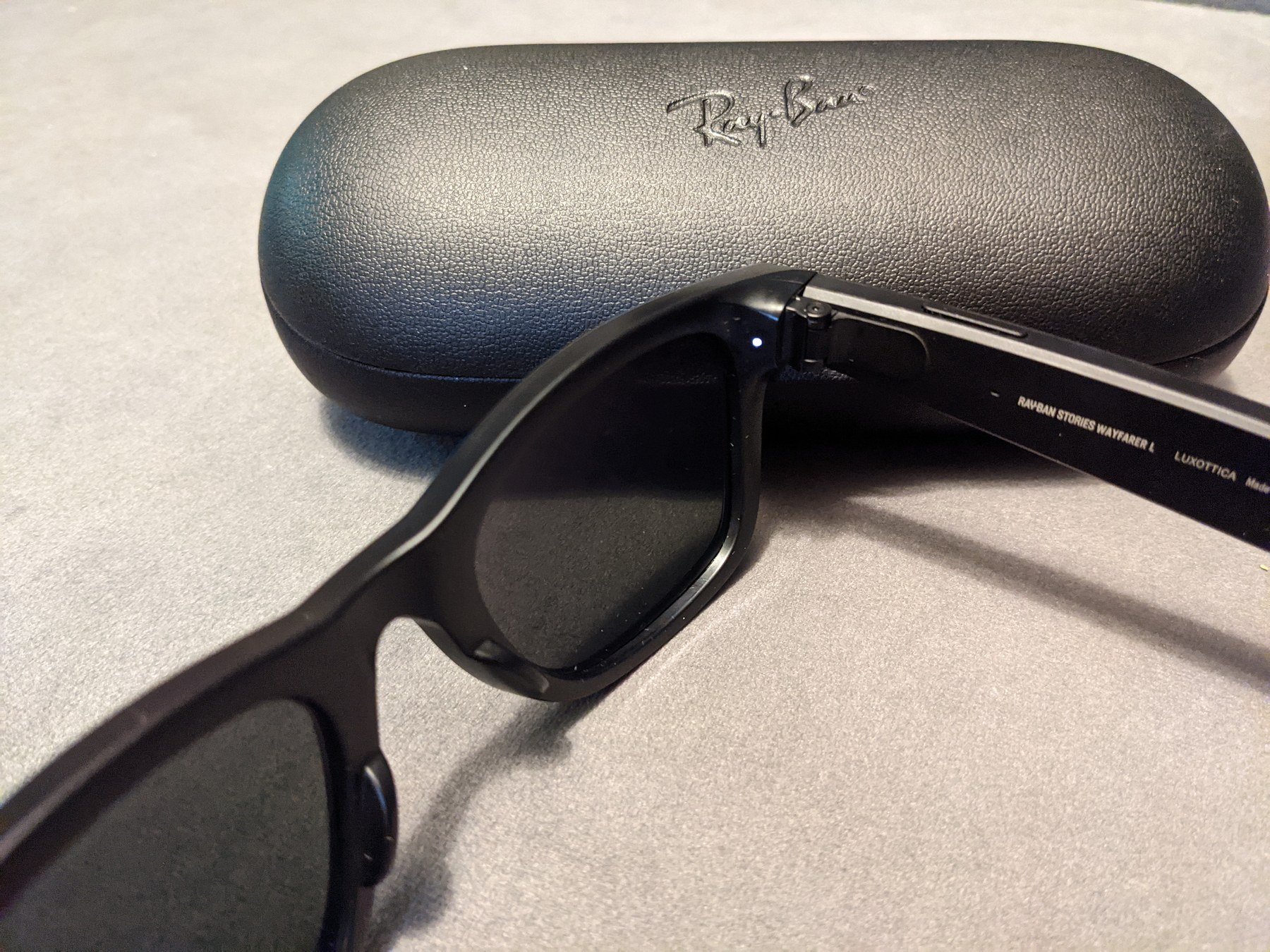
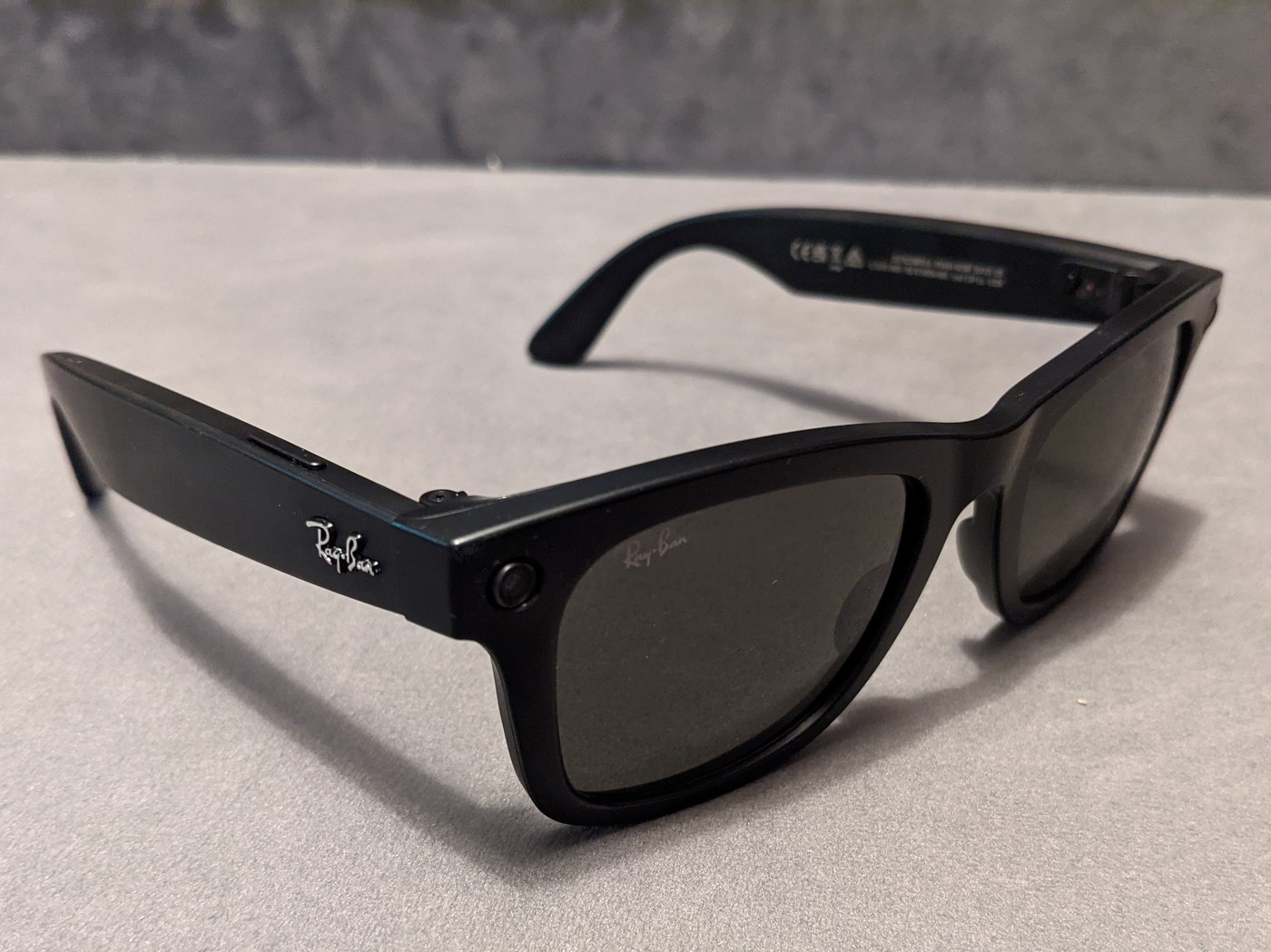
An amended class action in the U.S. District Court for the Northern District of California expands Meta’s Ray-Ban Meta / AI glasses privacy fight beyond buyers. Filed August 31, 2026 and widely reported in early September, the complaint now seeks to represent bystanders—people who never bought or wore the glasses but say they were recorded when someone nearby used Meta AI features. Plaintiffs allege that intimate footage landed with overseas contractors and fed AI training. Meta says it disagrees and will fight the claims.
What the amended complaint adds
The original case, filed March 4 by Gina Bartone and Mateo Canu, focused on purchasers who say Meta marketed the glasses as privacy-centric—“designed for privacy,” “controlled by you”—while Meta AI capture could still reach human reviewers. Law360 and MLex report the August 31 amendment consolidates and widens that theory: bystanders, including some minors, never consented to capture, review, labeling, or embedding in Meta’s AI systems.
Co-lead counsel Ryan Clarkson (Clarkson Law Firm) put the marketing clash in blunt terms in statements carried by Futurism and Startup Fortune: Meta sold a privacy story, the amended filing argues, while the human beings on the other side of the lens—people in bathrooms, changing clothes, intimate moments, children being bathed or having diapers changed—“never agreed to surrender their privacy because someone near them bought a pair of glasses.”
Plaintiffs’ language, quoted in MLex’s August 31 summary, tracks the same point: no reasonable consumer would read “designed for privacy” to mean that everything the glasses’ AI sees and hears could be viewed by strangers overseas and used to train Meta’s AI. The complaint also challenges face anonymization as ineffective and alleges workers who raised concerns were fired—claims still unproven in court.
Swedish reporting, Sama, and the Kenya pipeline
The factual spine is a February 2026 investigation by Svenska Dagbladet and Göteborgs-Posten, with Kenyan journalist Naipanoi Lepapa, later summarized by Ars Technica and others. More than 30 Sama employees described annotation work—video, images, speech—for Meta’s AI systems. One whistleblower told Swedish reporters they saw people going to the toilet or undressing; others described sexual activity and documents with personal identifying information.
Startup Fortune notes Meta ended its Sama contract after that reporting; about 1,108 Nairobi workers were affected with six days’ notice, per prior The Next Web / Startup Fortune coverage. The amended suit treats that contractor queue as evidence of a training pipeline, not a one-off moderation mishap. Meta’s public response to Futurism rejects the allegations: “we disagree… and will fight them,” while stating that if you use Meta AI, Meta “may review that data to help improve our products,” with filtering “to help remove identifying information.”
Why bystanders matter for wearable AI
Buyers at least pair an app and touch a policy. Bystanders do not. That is the doctrinal shift plaintiffs are pushing—and why EU privacy debates around smart glasses (France and Germany have argued the real issue is lack of lawful basis for filming non-consenting people, not only the recording LED) keep colliding with Meta’s visible-light defense. Meta separately disabled cameras on thousands of units after LED-tampering detection (covered previously on this site); this lawsuit is about consent and training data, not that brick campaign.
A separate docket citation in public reporting puts global Meta AI glasses sales above 7 million pairs in 2025. Scale turns a niche wearables privacy spat into infrastructure: more frames in kitchens, schools, bars, and bathrooms means more non-users in the field of view. Defendants named across coverage include Meta Platforms and Luxottica / EssilorLuxottica entities. The case remains at the allegation stage; no ruling on the bystander class has issued.
Timing next to Meta’s wider privacy pressure
The amendment landed days after Meta’s August 26 multistate child-safety settlement on Facebook and Instagram, reported at up to about $18 billion over a decade (Washington Post, TechCrunch, CBS, state AGs). Different facts. Same company under privacy scrutiny while it pushes AI glasses toward Meta Connect 2026 (September 23–24) and display-class hardware. For XR watchers, the practical takeaway is narrower than the legal theater: if your product sees what the wearer sees, you need a clear answer for who else sees it—and whether the stranger across the table ever got a say.
Sources: Futurism (Meta statement), Law360, MLex, Startup Fortune, Swedish SvD/GP investigation via secondary reports.