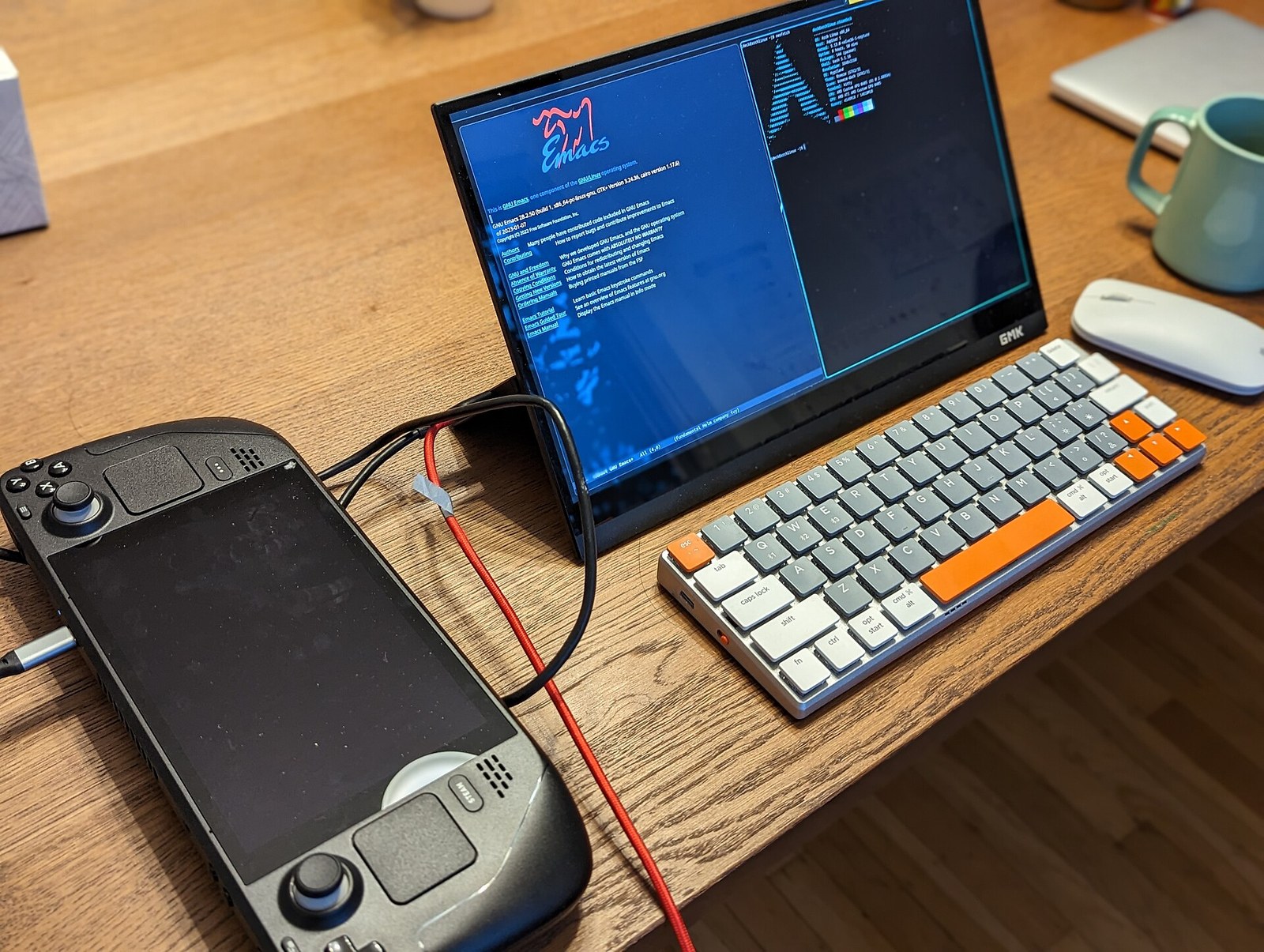
Valve’s Steam Frame stack is picking up a clearer OPEN-SOURCE graphics story: according to Phoronix reporting dated September 30, 2026, Mesa contributor Connor Abbott presented FOVEATED RENDERING work in the Turnip Vulkan driver aimed at the headset’s Qualcomm Adreno path. An October 1 NeoTeo write-up repeats the same XDC 2026 thread — HIGH detail at the gaze point, LOWER detail in the periphery — and ties it to Valve’s Frame development.
What Landed at XDC 2026
Phoronix says Abbott, a longtime Mesa contributor now working for Valve, described Turnip support that leans on VK_EXT_fragment_density_map and related Vulkan extensions. The goal is familiar in VR: spend GPU work where the eye is LOOKING, and conserve POWER (and cycles) where the wearer will not resolve fine detail. NeoTeo’s recap frames the same mechanism and notes the distinction between FOVEATED RENDERING — changing detail as the frame is drawn — and foveated STREAMING, which only changes encode quality after the frame already exists.
Why Turnip Matters on Steam Frame
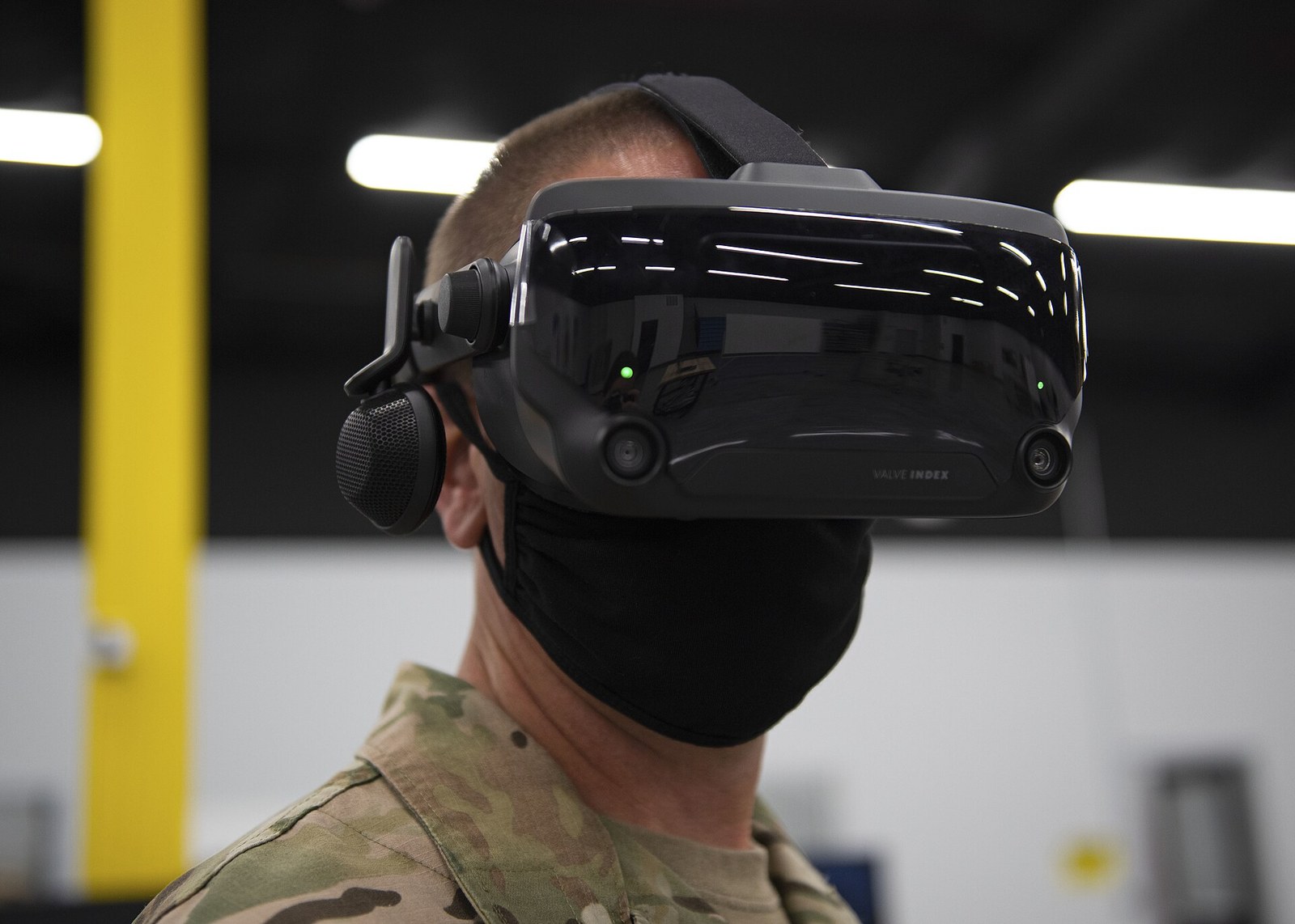
Turnip is Mesa’s OPEN-SOURCE Vulkan driver for Qualcomm Adreno graphics. Steam Frame’s Adreno silicon is therefore not a black box for Linux graphics work: driver improvements can land in UPSTREAM Mesa, then flow into the headset’s runtime path. That is a different posture from closed GPU stacks that ship only as vendor blobs. For Metaverse Watcher readers tracking Frame’s Linux-forward launch, this is the SOFTWARE side of the same bet — STANDALONE VR that still speaks the Mesa/Vulkan dialect PC Linux already knows.
Roadmap Notes, Not a Ship Date
Neither Phoronix nor NeoTeo presents a retail PATCH day for the foveation path. What they DO report from Abbott’s talk are NEXT steps: support on Adreno 800-series hardware, SUBSAMPLED image work inside SteamVR and game engines, and SMOOTHER results without subsampled images. Treat those as ENGINEERING INTENT from an XDC talk, not as Valve storefront copy. Steam Frame itself is ALREADY shipping through Valve’s reservation queue; this story is about the DRIVER LAYER underneath, not a new SKU.

How This Fits the Fall XR Map
Today’s site already covers Meta’s passthrough VR Glasses narrative, Snap’s SPECS try-on window, and Android XR glasses timing. Valve’s Turnip work sits on a PARALLEL track: keep Frame competitive on THERMALS and frame BUDGETS by cutting shade work the eye will not use. If the Adreno 800 and SteamVR integration pieces land as sketched, STANDALONE SteamVR titles get a CLEANER path to FOVEATED performance without waiting on a proprietary driver fork. Absolute FPS gains were NOT published in the Phoronix or NeoTeo accounts — so leave the benchmarks for a later Mesa or SteamVR build note.
Sources: Phoronix (Sep 30, 2026); NeoTeo (Oct 1, 2026); XDC 2026 presentation coverage as cited therein.