Meta’s public wearables toolkit gained a VOICE LAYER on October 1, 2026. Commit 821d868 adds the ai-glasses-webapp-webmcp skill so Meta Ray-Ban Display web apps can answer Meta AI — the wearer SPEAKS, the assistant CALLS registered tools, and the app UPDATES. Mixed-News (Chris Steven, October 3) flagged the same drop for builders watching the glasses PLATFORM, not the retail shelf.
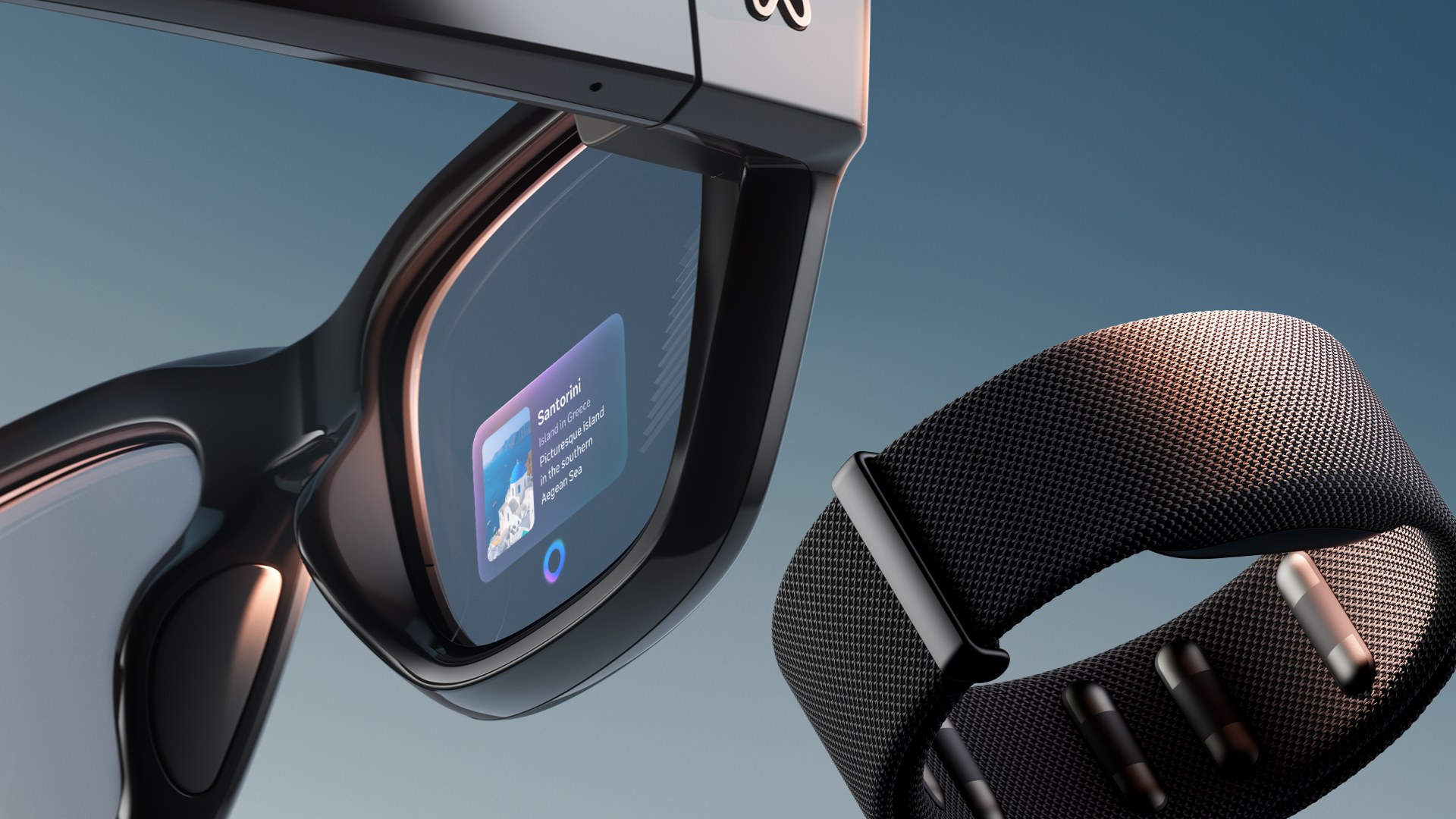
The mechanism is a browser surface called WebMCP. Developers register tools on document.modelContext, which Meta says the browser INSTALLS before page scripts run. The skill’s own summary is blunt: “No SDK, no speech recognition, no wake word: the browser provides the SURFACE.” Plugin manifests bump to version 128.1.0 across Muse Code, Claude Code, Codex, and Cursor.
Off by DEFAULT — and D-pad still RULES
This is a TOOLKIT update, not a wearer toggle. Meta’s skill states WebMCP is “off by default and enabled per device, by Developer Mode or by ROLLOUT.” Eligibility is decided ONCE when the app launches and does not change for the rest of that SESSION — so flipping the flag mid-run does NOTHING until relaunch.
The instruction to developers is equally firm: “This is ADDITIVE. The app must stay fully usable by D-pad with no assistant at all.” Meta also tells teams to TEST the app driven by D-pad ONLY, and again on a build where the voice surface is ABSENT. Voice is a CONTROL LAYER over hardware that still has to work when Meta AI is MISSING.
Strict PARAMETERS — quiet FAILURES
Most of the guidance is about what BREAKS. Tool parameters only travel as boolean, integer, number, or string — “There is no array or object parameter type.” Declaring one anyway packs the value as a JSON-encoded string that FAILS when the payload is not valid JSON of the declared KIND. Schema knobs such as enum, minimum, and nested schemas are “DROPPED and never ENFORCED,” so limits belong in the DESCRIPTION and inside the tool itself. Assistant-originated calls get a 10-SECOND deadline.
There is also no clean FAILURE flag. “A fulfilled result is always reported as SUCCESS, and isError is DROPPED,” the skill says — so an app must answer a bad request with an ordinary result whose CONTENTS describe the problem. Tool names accept 128 characters, but Meta AI re-registers each one inside a 64-character budget, leaving 57 usable characters. Two names that MATCH that far collide with NO ERROR, “with the tool simply never reaching Meta AI.”

No ROLLOUT date — docs still GATED
Meta has NOT said when WebMCP reaches ordinary wearers. The matching developer-docs page is still GATED: the October 1 commit message says it is “not linked from here” and should be ADDED “when the gate LIFTS.” Nothing in the repository names which apps will get the surface first, how many devices sit in the ROLLOUT, or when it WIDENS.
Hardware is FURTHER along than the TOOLKIT today. Meta Ray-Ban Display goes on sale in the UK at £749 and in Germany at €899 on October 13, and Meta has already shipped voice-driven features on the glasses — including hologram WhatsApp calls steered by VOICE rather than FACE. Third-party APPS answering the SAME assistant are, for now, a set of RULES on GitHub and a capability Meta labels “off by DEFAULT.”
Sources: facebook/meta-wearables-webapp commit 821d868 (Oct 1, 2026); ai-glasses-webapp-webmcp SKILL.md; Mixed-News (Oct 3, 2026); Meta Ray-Ban Display retail timing from prior Metaverse Watcher / trade coverage of the Oct 13 UK/EU window.