MarkTechPost (Asif Razzaq, October 3, 2026) walked through the open ISAAC TELEOP retargeting stack that turns XR HAND and CONTROLLER tracking into robot ACTION vectors — without requiring a headset in the tutorial itself. NVIDIA’s Isaac Lab documentation (page stamped October 4, 2026) places the same PIPELINE inside Isaac Lab and notes the product rebrand to ISAAC CAPTURE, while the pinned 1.4 Python package still imports as isaacteleop.
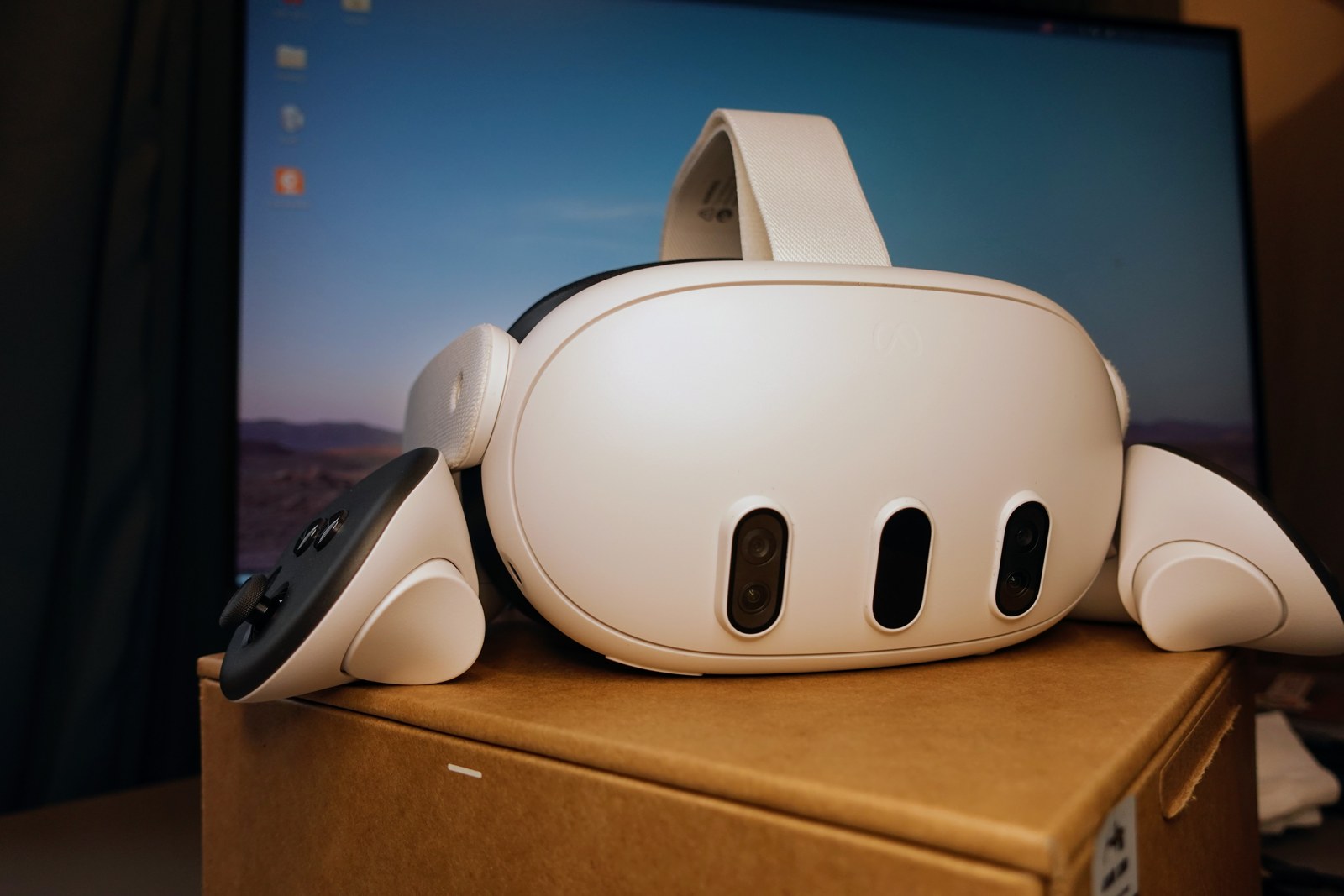
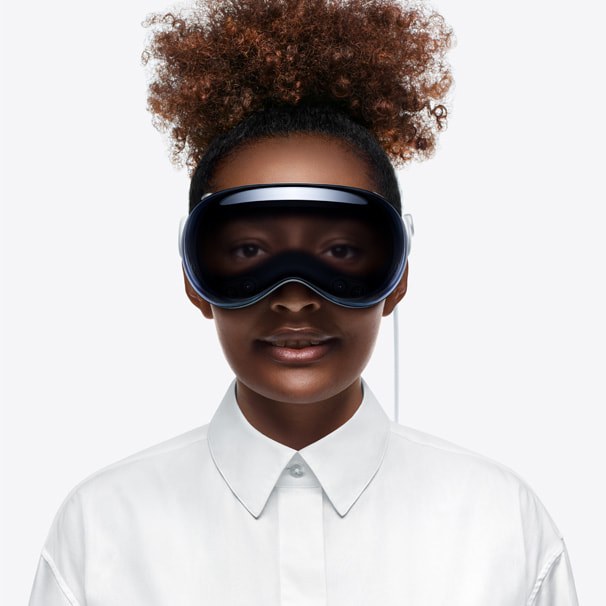
The XR BEAT is concrete. Isaac Lab’s device table names APPLE VISION PRO (native visionOS sample client), META QUEST 3 (CloudXR.js WebXR client), and PICO 4 ULTRA (CloudXR.js, Pico OS 15.4.4U+) as FIRST-CLASS inputs, plus Manus gloves and Haptikos exoskeletons for higher-fidelity fingers. That is the BRIDGE from consumer HEADSETS into SIMULATED and REAL robots — the same problem Noble Machines highlighted in September when it paired VR teleop with NVIDIA Isaac for factory training.
Graph Retargeters, Not a BLACK BOX
MarkTechPost’s Colab-style walkthrough installs isaacteleop[retargeters-lite]==1.4.145 and builds every input in NumPy so the graph runs on a plain CPU. The type contract is a TENSORGROUP: HandInput carries four arrays for the 26 OpenXR hand joints; ControllerInput exposes fourteen slots for grip/aim poses, buttons, and axes. Wrong dtypes fail at write time. Optional groups start absent and flip present on the first write — the explicit signal that a hand left the tracking volume.
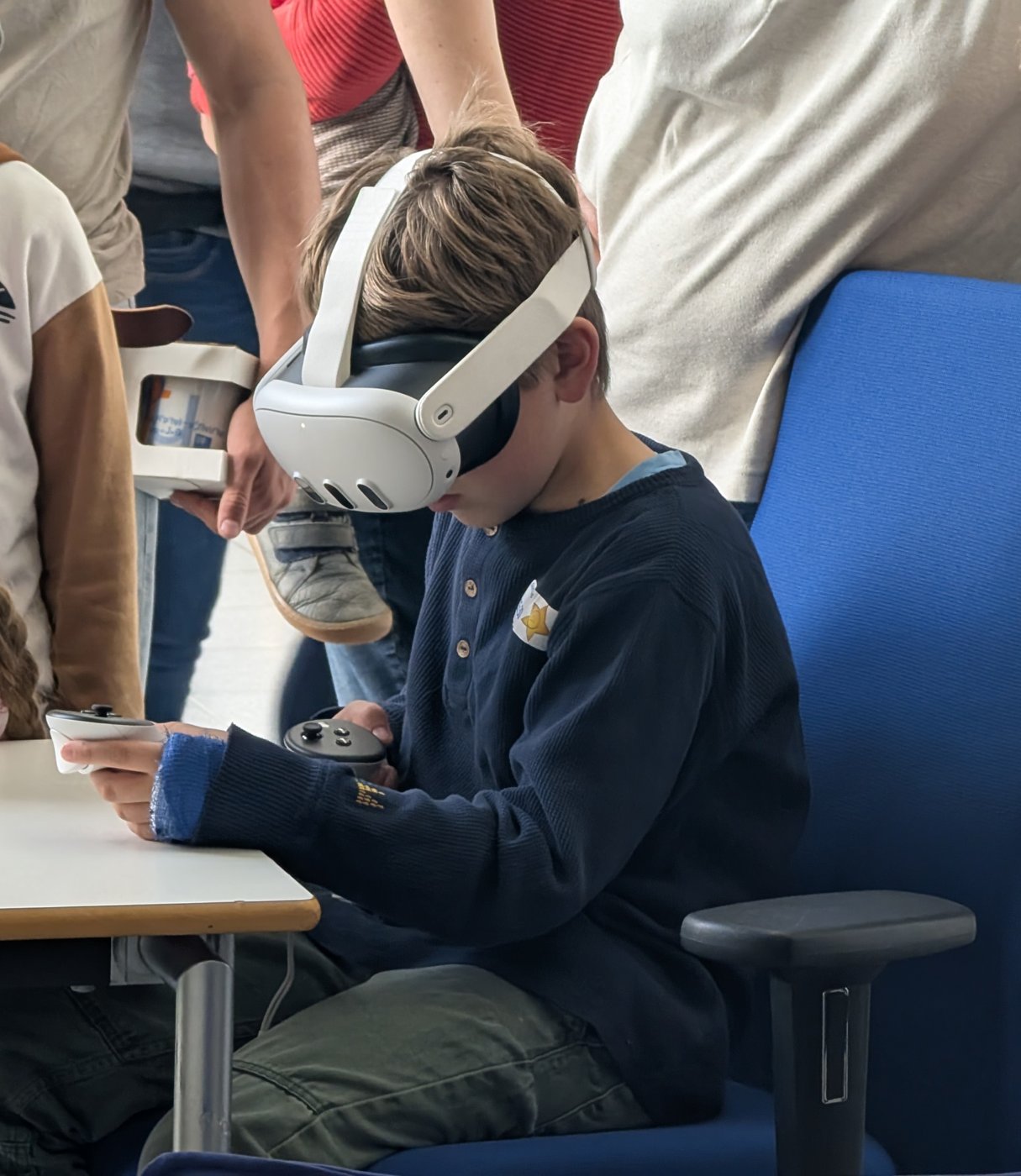
Built-in nodes map that tracking into robot commands. GRIPPERRETARGETER converts pinch distance into a −1/+1 gripper command with hysteresis (close below 3 cm, open above 5 cm, hold in between); a present controller OUTRANKS hand tracking when the trigger is pressed. SE3ABS and SE3REL retargeters emit absolute end-effector pose or deltas. TRIHAND maps trigger and squeeze onto seven named joint angles for Unitree-style TriHand fingers. LOCOMOTION folds thumbsticks into a four-dimensional root command. A TENSORREORDERER flattens those outputs into the single action vector an Isaac Lab environment expects, and an ExecutionCache ensures each leaf computes once per frame even when two retargeters share it.
Fail-Safes Matter for LIVE ROBOTS
Teleoperation is not only pose math. MarkTechPost documents DEFAULTTELEOPSTATEMANAGER: rising edges on run/kill/reset walk STOPPED → PAUSED → RUNNING, pulse a one-frame reset, or force STOPPED. Losing the kill or run signal fails safe to STOPPED. Those events reach every retargeter through ComputeContext — the same channel Isaac Lab exposes to headset clients as UTF-8 JSON teleop_command messages over an OpenXR opaque data channel.
Isaac Lab’s “how it works” page is blunt about coordinate frames: headsets report poses in the runtime anchor frame; robots live in the world frame. Every serious pipeline applies a WORLD_T_ANCHOR transform first. Debug visualization can paint red spheres on the 26 hand joints and RGB axes on controller aim poses so operators confirm alignment before trusting a live arm.
Why This Update Lands Now
None of this is a new HEADSET SKU. It is INFRASTRUCTURE: an open RETARGETING graph that treats Quest, Pico, and Vision Pro as interchangeable sources, records MCAP sessions for replay without a headset, and feeds Isaac Lab Mimic-style demonstration capture. MarkTechPost’s October 3 tutorial and the October 4 Isaac Lab refresh are the same story from two sides — one showing the Python engine without hardware, the other wiring that engine into CloudXR sessions and production task configs. For XR TEAMS watching ROBOTICS absorb headset TRACKING, the SIGNAL is that consumer hand poses are becoming a first-class robot API, not a demo hack.
Sources: MarkTechPost — Inside NVIDIA’s IsaacTeleop; Isaac Lab — Isaac Capture / Isaac Teleop; NVIDIA/IsaacTeleop on GitHub.