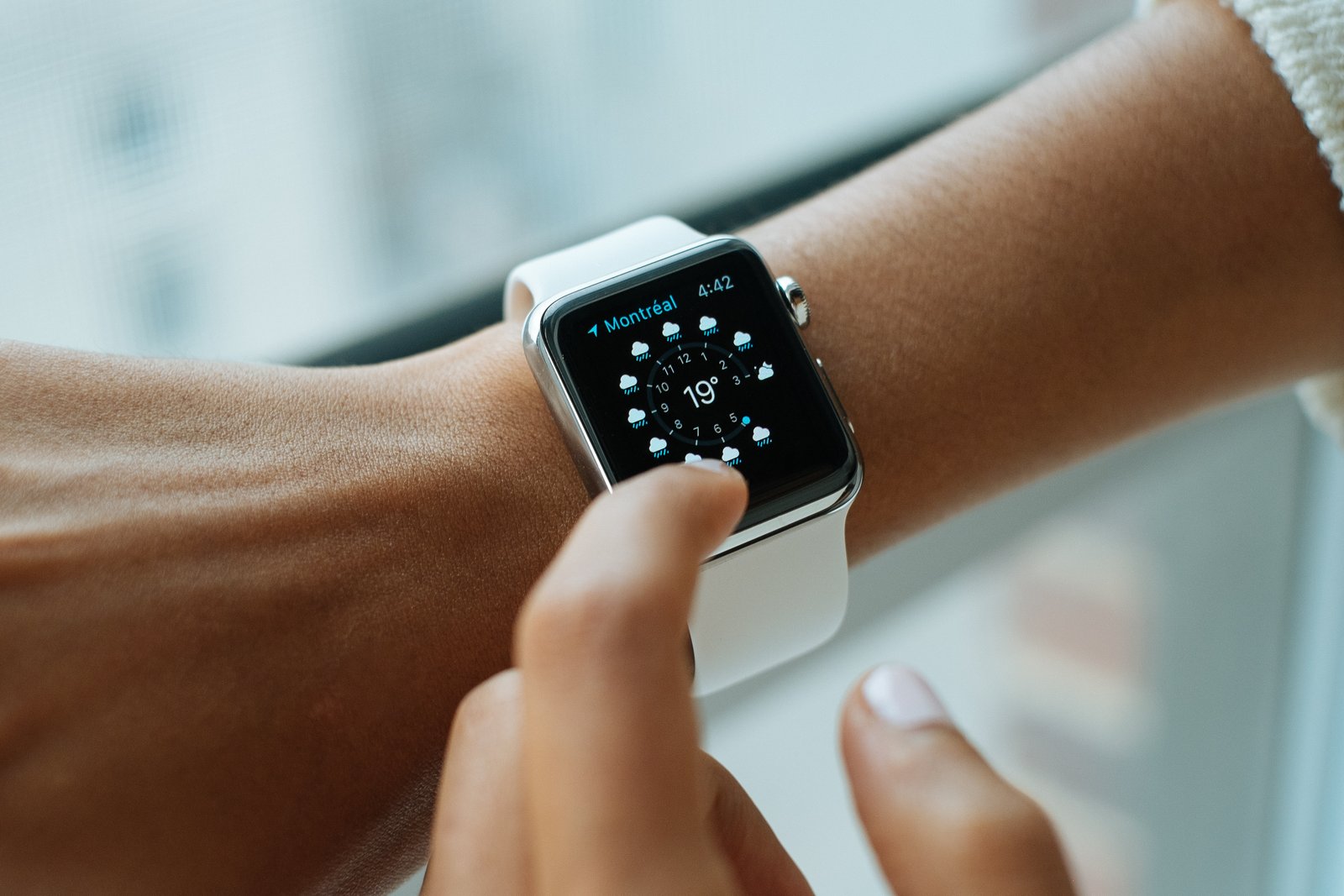
Apple’s September 9 Watch event put two always-listening tools on the Series 12 and Ultra 4: Live Rewind (a 15-second text transcript on a double-press of the Digital Crown) and Siri Recap (opt-in daylong conversation summaries). Apple’s privacy paper says no audio is stored. Attorneys in all-party-consent states are not sure that matters. And for XR watchers, the design choices look less like a watch footnote and more like a dress rehearsal for face-worn mics.
What Apple says is happening
MacRumors’ September 10 readout of Apple’s Audio Intelligence privacy overview is the cleanest inventory of the guardrails:
- Audio for these features is processed in the Secure Exclave / Secure Enclave path on the S11 chip — not accessible to watchOS, apps, the user, or Apple.
- No full conversation transcript is kept for Siri Recap; condensed text goes to Private Cloud Compute for summarization.
- No speaker attribution; names appear only if spoken aloud.
- Sensitive categories (financial data, government IDs, authentication material, certain harmful content) are supposed to be omitted — with Apple’s own caveat that filtering can miss things and summaries can be wrong.
- Siri Recap is opt-in, schedulable (work hours only, never at night), with a Control Center toggle. Unsaved summaries auto-delete after seven days.
- Live Rewind’s on-screen text disappears about 30 seconds after the display dims unless saved to the Siri app.
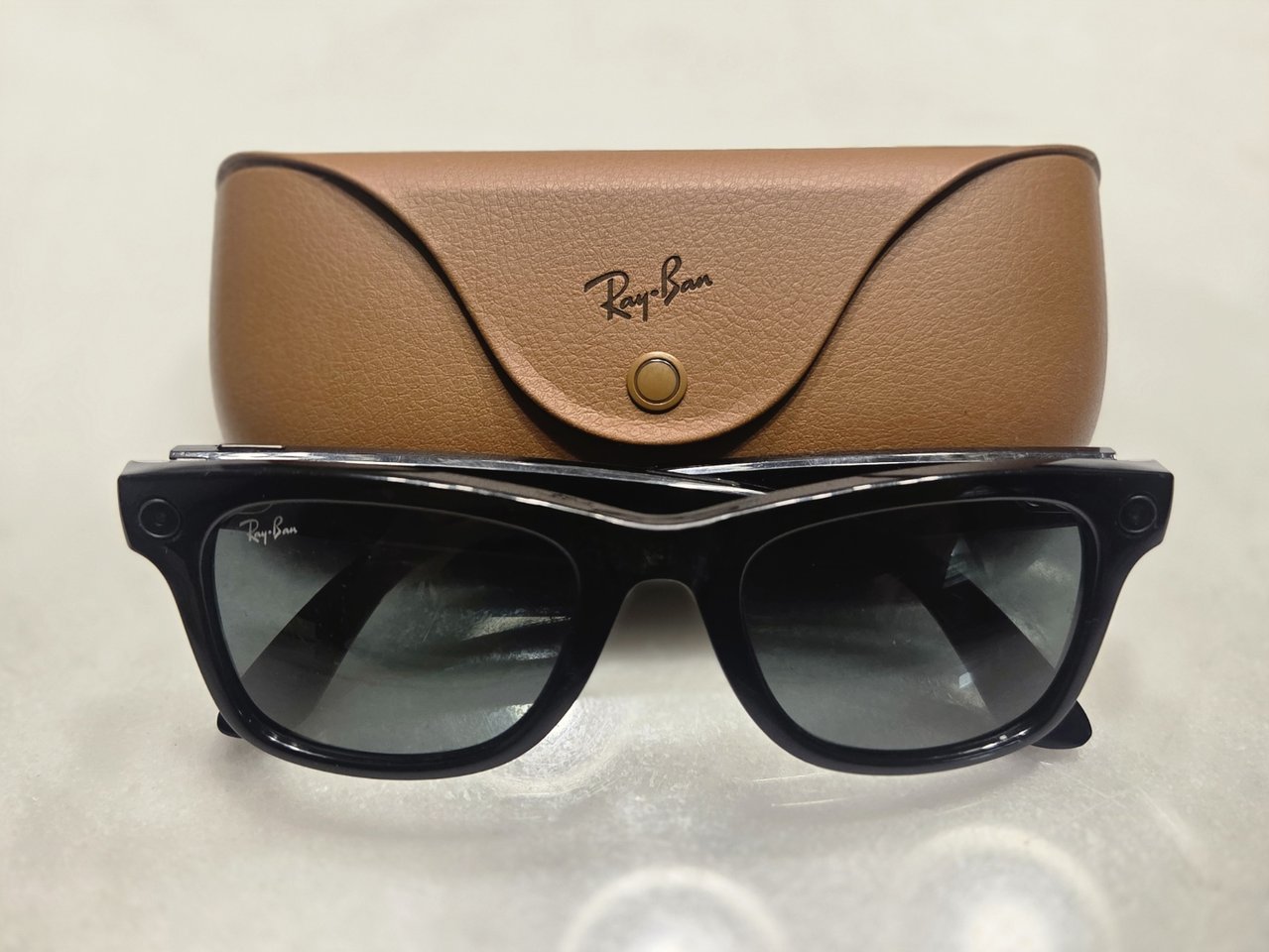
TechRadar’s September 11 walkthrough adds the bystander-facing piece for Live Rewind: an audible chime that fires even in silent mode or over headphones, plus a full-screen animation and microphone indicator. That is the visible/audible notice Meta’s Ray-Ban Meta recording LED is supposed to provide — and that privacy critics say is too easy to miss on glasses.
Where the law may not care about “no recording”
A September 12 Los Angeles Times / Bloomberg piece quotes defense and privacy attorneys in California, Massachusetts, Pennsylvania, and Washington who treat continuous speech processing as a live legal question under all-party-consent eavesdropping statutes — even if no conventional audio file is written to disk. California’s Subodh Chandra called the features a serious concern under all-party consent; Massachusetts attorney Joe Simons predicted a “case of first impression.” EFF’s Adam Schwartz’s advice was simpler: think twice out of respect for conversational privacy, because bystanders have no practical way to consent or decline.
Apple’s counter, per the same report: people already take notes with phones and wearables; Live Rewind’s 15-second window keeps the wearer near the speaker; there is no recording to share or produce; and audio sits on secure hardware nobody else can read. The company still tells wearers to “consider” private or sensitive conversations around them. That is guidance, not a consent gate.
Why this is a glasses story
Fast Company and follow-on coverage framed the Watch tools as a preview of how Apple might ship always-listening AI on face-worn hardware. The LA Times piece notes Apple is developing camera-equipped wearables, including smart glasses planned for next year. Whether that timeline holds is secondary to the design pattern already shipping on a wrist:
- Opt-in for the wearer, not for the room. Siri Recap’s schedule toggle is a wearer control. It does not ask the people across the table.
- Notice that works better on a watch than on frames. A chime and full-screen animation are hard to miss on a wrist. The same idea on glasses will fight ambient noise, hair, and the social habit of ignoring LEDs.
- “No audio file” as the legal theory. If courts reject that distinction for a watch, glasses with outward cameras and mics inherit the same argument — and a harder bystander-trust problem.
Metaverse Watcher has already covered the European school-ban and bystander-privacy pressure on camera glasses (Oslo’s classroom ban, Hamburg’s Ray-Ban Meta findings). Apple’s Watch stack is the first time Cupertino has shipped ambient conversation AI with a public privacy paper attached. That paper will be the template critics and regulators cite when Apple’s glasses eventually leave rumor and hit a stage.
What is locked vs open
Locked: Series 12 and Ultra 4 carry Live Rewind and Siri Recap; Siri Recap needs an iPhone 16 or later (except 16e) and ships later in 2026 per MacRumors; Live Rewind announces itself with sound and UI; Apple’s privacy overview denies stored audio and speaker IDs.
Open: Whether all-party-consent states treat Secure Enclave transcription as interception; whether continuous Siri Recap without a persistent bystander indicator survives the same scrutiny Live Rewind’s chime is meant to defuse; and how much of this stack transfers to Apple’s reported smart glasses.
Primary sources: MacRumors on Siri Recap’s privacy overview, TechRadar on Live Rewind mechanics, and the LA Times / Bloomberg legal roundup. The glasses argument is inference from those design choices — not an Apple product announcement.