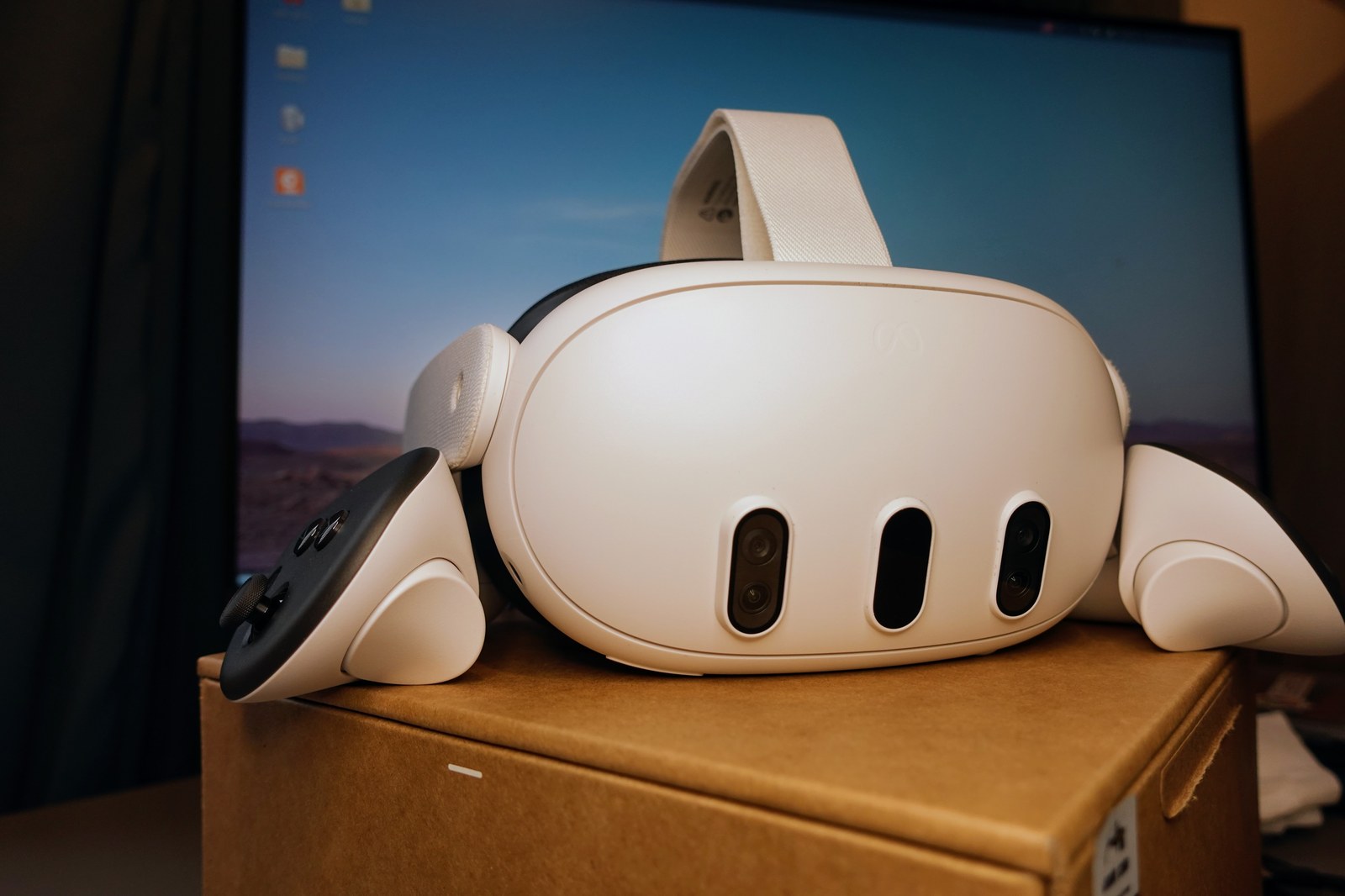
Tom’s Hardware flagged a September 13 demo that turns a Meta Quest into a shop-floor remote: model on a PC, pick the mesh up in VR, then throw it across the room at a Bambu Lab printer so the job starts. The engineer behind the clip, posting as Hank on X, summed it up in one line: “I’ve never felt more like Tony Stark.”
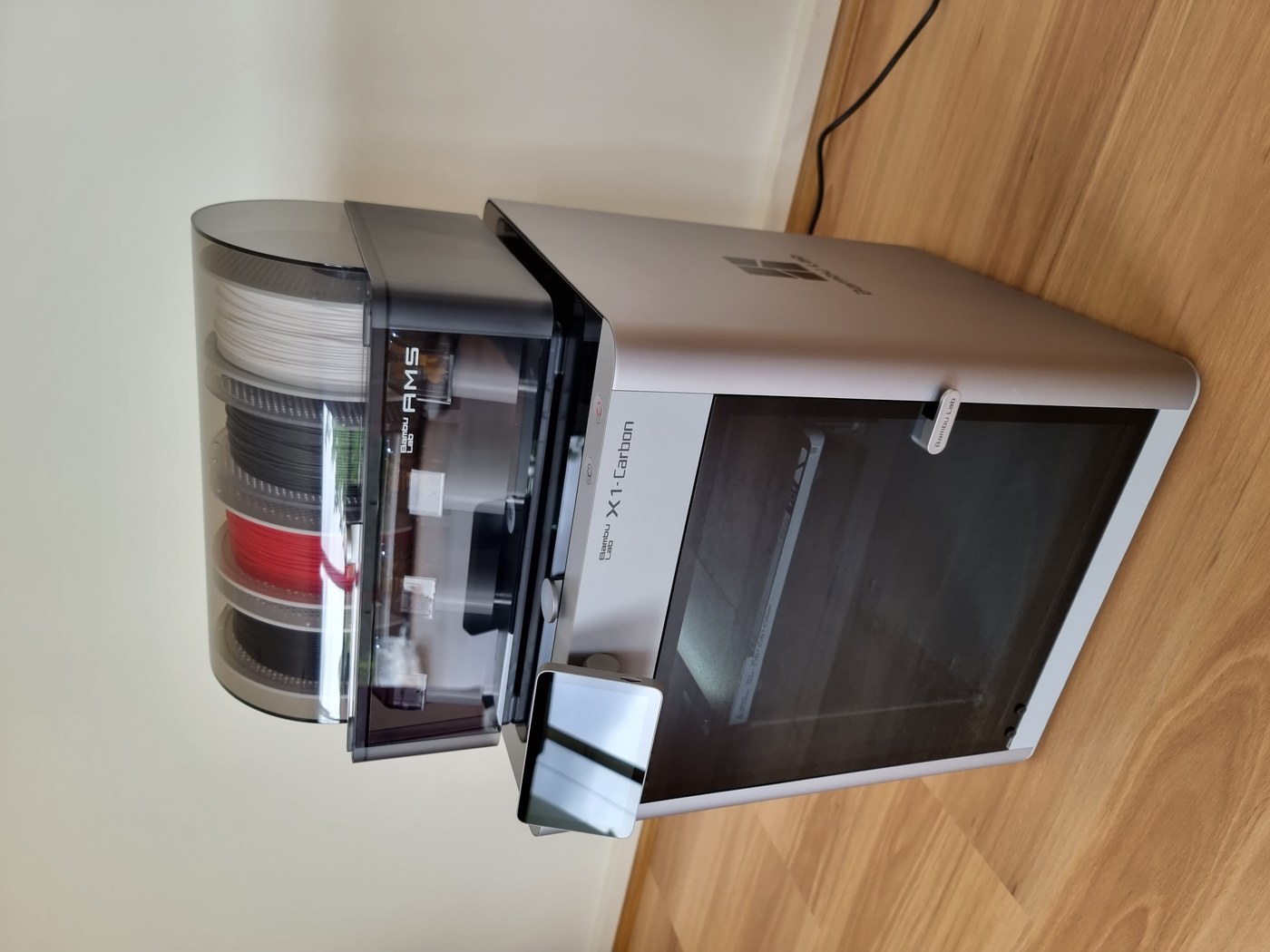
The stack is more workshop glue than product roadmap. Hank’s thread, as reported by Mark Tyson on 14 September 2026, shows a Bambu Lab P2S with an AMS 2 multi-material unit. Bambu exposes a local control API; Hank spun up a small PC web server that bridges an Android/Quest-side app to the printer. OpenAI’s GPT-6 Astra helped assemble the integration—what the piece calls vibe coding—rather than a polished commercial SDK.
What actually ships in the demo
Nothing here is a Meta feature or a Bambu Lab announcement. It is a personal pipeline: CAD or mesh on the desktop, Quest as a spatial controller, printer as the sink. Tom’s Hardware notes other Bambu owners immediately asked for the code. Hank said it was not on GitHub yet, but he would share after cleanup if interest held.
The same thread points at another Astra-assisted experiment: getting a Super Smash Bros. Melee decompilation running on Quest 3 with VR controls. That is a separate hobby project, not part of the print workflow, but it underlines the pattern Tom’s Hardware is tracking—LLM-assisted reverse engineering and local APIs collapsing the gap between headset and hardware on a desk.
Why it matters for XR
Consumer headsets still spend most of their time in games and social apps. A throw-to-print loop is a small proof that Quest tracking plus a local API can feel like direct manipulation of physical tools, not another 2D panel. It also shows the limit: the glue lives on a PC, the model is not open-sourced yet, and Bambu’s API—not Horizon OS—does the real work.
For now, the story is a clean September snapshot: one engineer, one local API, one viral clip, and a hardware press desk that treated the demo as a signal of where spatial computing meets fabrication. Watch Hank’s repo if he posts it; until then, the primary write-up remains Tom’s Hardware’s 14 September report.
Images: Meta Quest 3 front view by Roy.wonder.cohen; Bambu Lab X1 Carbon with AMS by Benlisquare — both Wikimedia Commons, CC BY-SA 4.0. The Bambu photo is illustrative; Hank’s demo used a P2S with AMS 2.