Reuters (Aditya Soni and Kenneth Li, September 22) frames PRIVACY as the HARD gate on AI wearables — from Meta’s Ray-Bans to pins, pendants, and recorders — just as Meta Connect opens.
Reuters argues companies chasing a post-smartphone era are fueling GLOBAL PRIVACY fears that could SLOW ADOPTION. The sharpest backlash lands on Meta’s Ray-Ban smart glasses, the frames that made AI eyewear MAINSTREAM by pairing EssilorLuxottica design with Meta AI.
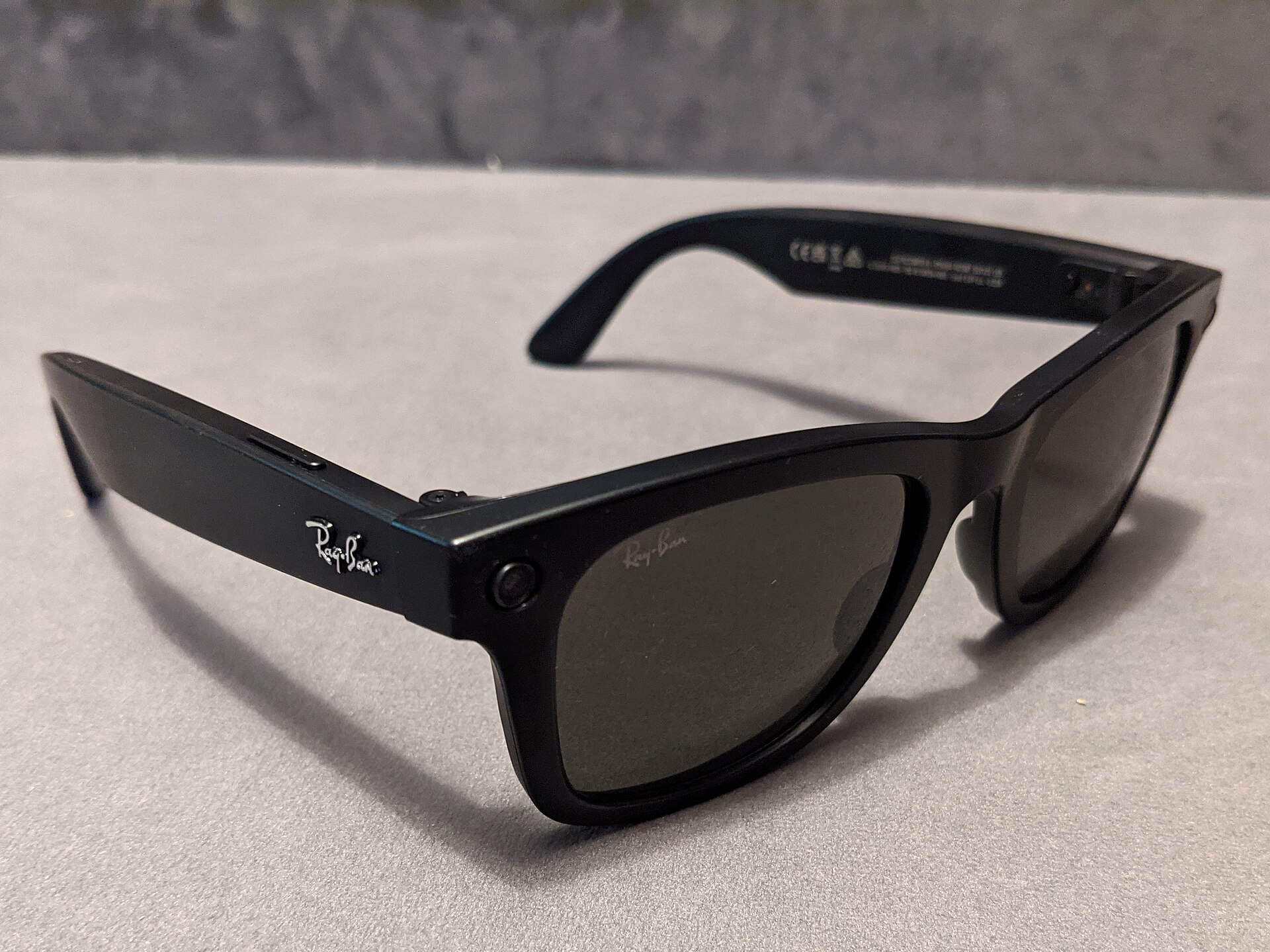
Venues, Lawsuits, and Annotation Risk
Several UK venues — including pub chain Wetherspoon — have RESTRICTED the FRAMES over covert-recording concerns. Courts are weighing PRIVACY lawsuits. Critics warn ubiquitous AI eyewear erodes ANONYMITY and CONSENT.
Ryan Clarkson’s firm represents consumers suing Meta and Luxottica of America over allegedly misleading PRIVACY claims. The suit alleges human ANNOTATORS viewed and labeled recordings of people changing clothes, using bathrooms, and handling FINANCIAL information after glasses footage hit Meta’s servers for AI training. Those recorded often appeared UNAWARE they were filmed, Clarkson told Reuters.
Meta disagrees and will CONTEST the CLAIMS. The company says a filming LIGHT that cannot be turned off protects bystanders, the camera disables if the light is covered or tampered with, reviewing user data to improve products is common across industry, and Meta FILTERS identifying information. Luxottica and OpenAI did not immediately respond to Reuters.
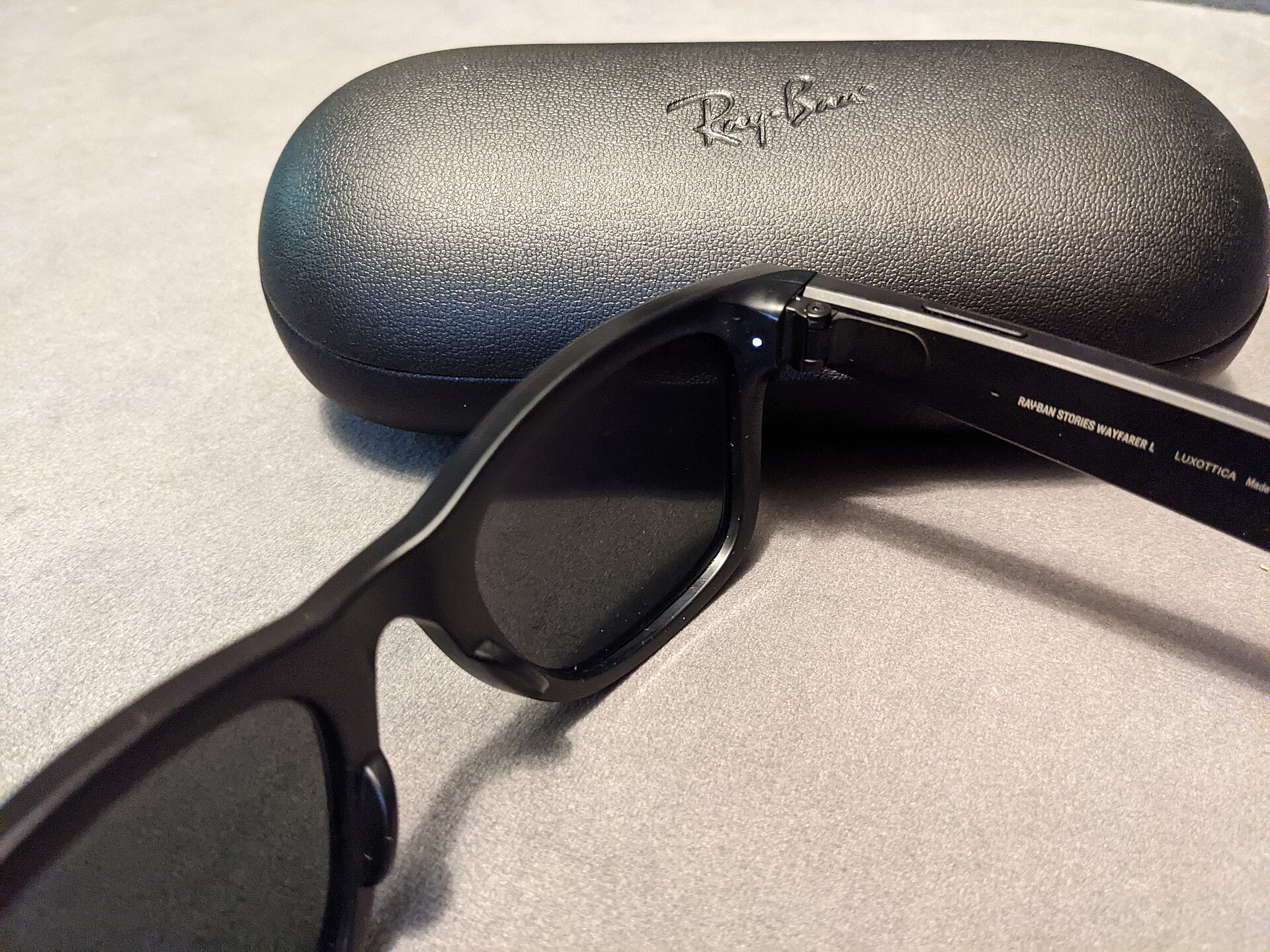
Connect Countdown: Camera-Free Glasses
Meta is expected to unveil CAMERA-FREE smart glasses as early as Wednesday at its Connect conference, per media reports cited by Reuters — a balancing act as firms chase a share of the more than $600 BILLION SMARTPHONE market. That privacy RESPONSE sits beside the broader Luna / Phoenix rumor cycle already tracked across XR press.

Samsung Partners. Altman Wants Local AI.
Samsung plans to ENTER smart glasses later this year through partnerships with Gentle Monster and Warby Parker, Jay Kim (EVP, Samsung mobile) told Reuters in July — but does NOT view the devices as smartphone replacements. “The winning form factors will be the ones that make interaction more NATURAL, useful and TRUSTED,” Kim said.
OpenAI CEO Sam Altman, speaking with journalists in December, argued always-on context devices ultimately need LOCAL processing rather than continuous cloud upload: most people will not want a device “listening to your whole life and watching your whole life” running on a cloud SERVER. Local AI “may take a couple of years LONGER,” he said, depending on processor scale.

Pins and Recorders Chase Deliberate Capture
Startups are testing form factors that make recording more DELIBERATE. Even Realities (founded by former Apple engineer Will Wang) pushed camera-FREE G1 glasses in 2024 and flagged G2 in November 2025; Wang told Reuters in July that consumers associate smart glasses with covert recording and that cameras should WAIT until stronger safeguards land. The firm hit a $1 BILLION valuation in July and expects a few hundred thousand users by year-end, about 90% CONSUMER.
San Francisco’s Pocket bets on a phone-mounted RECORDER that requires a BUTTON press — about 170,000 devices in use eight months after launch, including workers at DoorDash, Michelin, and Santander. Plaud’s Plaud One Explorer Edition ($249.99) records only when ACTIVATED and alerts bystanders with lights or an audio announcement; Plaud claims 2.5 MILLION users and more than $100 MILLION in annual recurring revenue.
IDC’s Jitesh Ubrani notes smartphones faced similar unease when cameras and mics first went ubiquitous: society wants CONSENT and awareness when people are recorded — “different from being opposed to recording ALTOGETHER.”
Why It Matters for XR
Reuters’ through-line is STRATEGIC: the same always-on cameras, microphones, and environmental awareness that make AI wearables USEFUL risk becoming the BARRIER if public trust fails. For Metaverse Watcher readers, that is the CONNECT STAKES — not just another hardware TEASE, but whether privacy design can keep smart glasses and spatial AI on a GROWTH path.
Sources: Reuters — From smart glasses to AI pins, privacy fears challenge tech’s next big bet (Aditya Soni, Kenneth Li, Sep 22, 2026); VR.org — Meta Connect 2026 tracker; Meta Connect.