On Connect eve, Proton frames Ray-Ban Meta first-person VIDEO as strategically useful for EMBODIED AI — and flags the PRIVACY cost for bystanders.
Proton (Edward Komenda, September 22) asks whether Meta’s SMART GLASSES are feeding ROBOT TRAINING, then answers carefully: the link is a STRATEGY HYPOTHESIS, not a PROVEN CLAIM that the company is secretly HARVESTING every moment of customers’ lives for a robot army.

Why First-Person Footage Matters
Komenda’s CORE POINT is data SHAPE, not hype. Large language models learn from text. ROBOTS need something else: where objects sit, how hands deform cloth or crack an egg, and what happens when physics goes sideways. Meta’s former chief AI scientist Yann LeCun has argued that by age four a child has seen vastly more sensor data than the largest models — machines still NEED “eyes.”
Wearable cameras offer one SCALABLE way to collect that EGOCENTRIC view during ordinary chores, driving, and errands. The VALUE, Proton stresses, comes from the mundane detail of everyday life — not from polished demos.

Project Aria Versus Consumer Glasses
Meta has researched this for years through Project Aria, wearable research glasses with cameras and sensors. Proton notes the CONSENT GAP: Aria guidelines train participants, require CONSENT in private homes, and use a visible LIGHT when audio or video is collected.
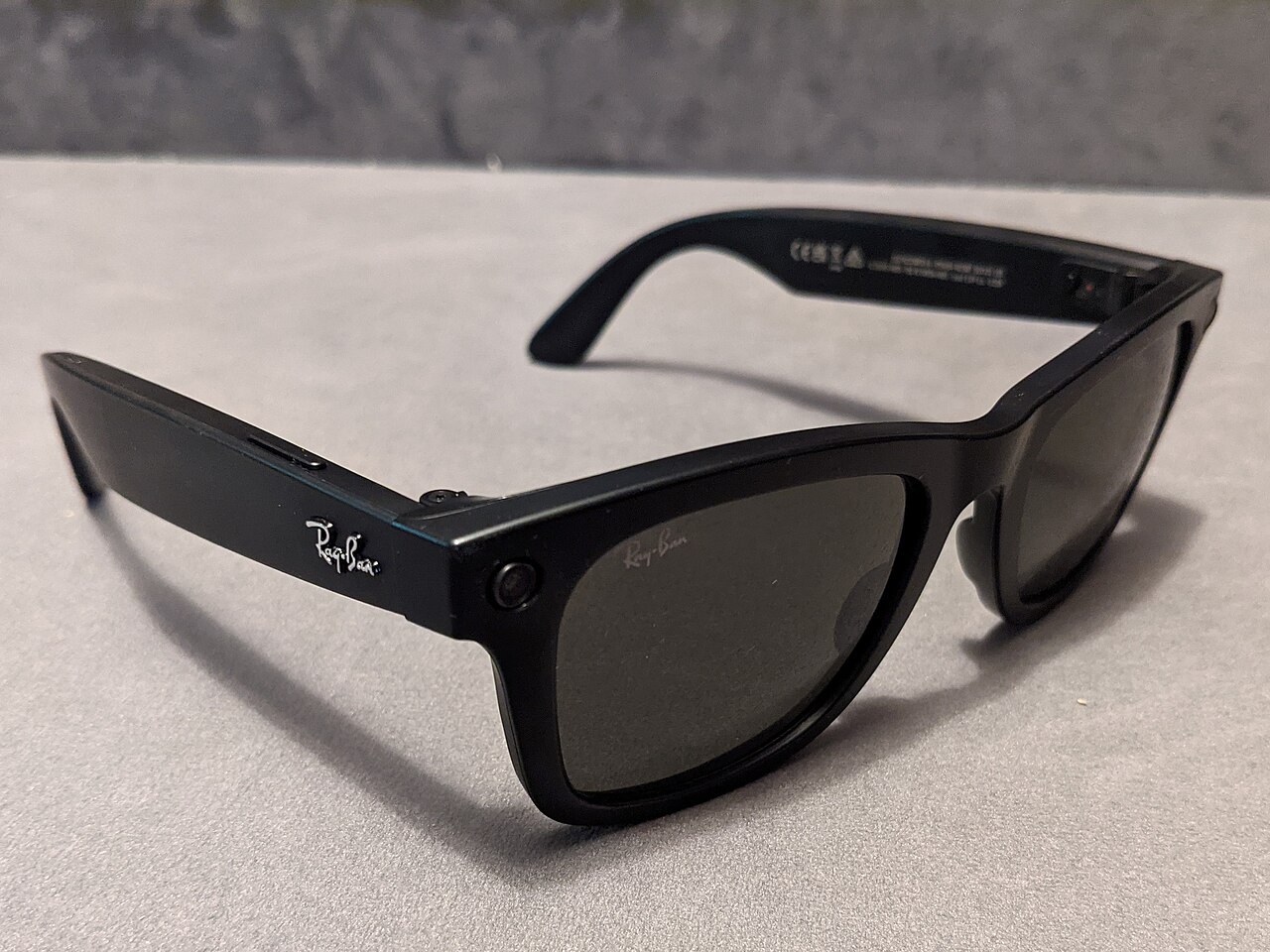
Consumer Ray-Ban Meta glasses run in UNCONTROLLED streets and kitchens. That makes them a richer SOURCE of first-person data — and means people around the wearer may appear in RECORDINGS without knowing a camera is ACTIVE.

What Meta Says the Glasses Capture
Proton cites Meta’s own LIMITS. The company says Ray-Ban Meta does NOT continuously record everything for AI TRAINING. Data used to train AI — and potentially reviewed by humans — includes vocal COMMANDS and video captured when a user asks the AI to act. Footage can move to Meta servers for PROCESSING, then help improve AI systems.
LIVE AI, which keeps the assistant available without the usual wake phrase, raises how often camera and microphone can stay ACTIVE. During Proton’s 72-HOUR TEST, faces were BLURRED in reviewed material, yet BYSTANDERS still did not know they were being recorded — a sharp contrast with Aria’s consent process.

The Robotics Trail Proton Maps
None of that alone PROVES robot training on customer life. Proton maps CONTEXT instead:
- February 2025: Meta creates a HUMANOID robotics division inside Reality Labs — the same broader org behind the glasses.
- May 2026: Meta acquires Assured Robot Intelligence, a robotics lab co-founded by Lerrel Pinto.
- Meta has said it wants its technology as the SOFTWARE LAYER for humanoid robots, and research already explores how EGOCENTRIC recordings help robots learn physical TASKS.
Next-generation wearable prototypes, Proton adds, trend toward more continuous SENSING and stronger OBJECT TRACKING — capabilities that would produce more useful interaction data if shipped.
Strategy Plus Privacy, Not Sensation
Proton’s closing CAVEAT is the one that should travel with the headline: none of this establishes that Meta is secretly collecting every moment of customers’ lives to build robots. It does show why first-person WEARABLE DATA could be strategically valuable to a company investing heavily in both AI and ROBOTICS.
As AI moves from screen to PHYSICAL WORLD, who decides how that personal STREAM is collected, processed, and reused is the open POLICY question — especially for bystanders who never OPTED in.