The CONNECT stage sold Meta VR Glasses as a 100-GRAM face unit and a pocket PUCK. The developer SPEC SHEET adds a quieter line: the puck takes DISPLAYPORT DP-IN and is listed for use as a MAC, WINDOWS, or CONSOLE DISPLAY.
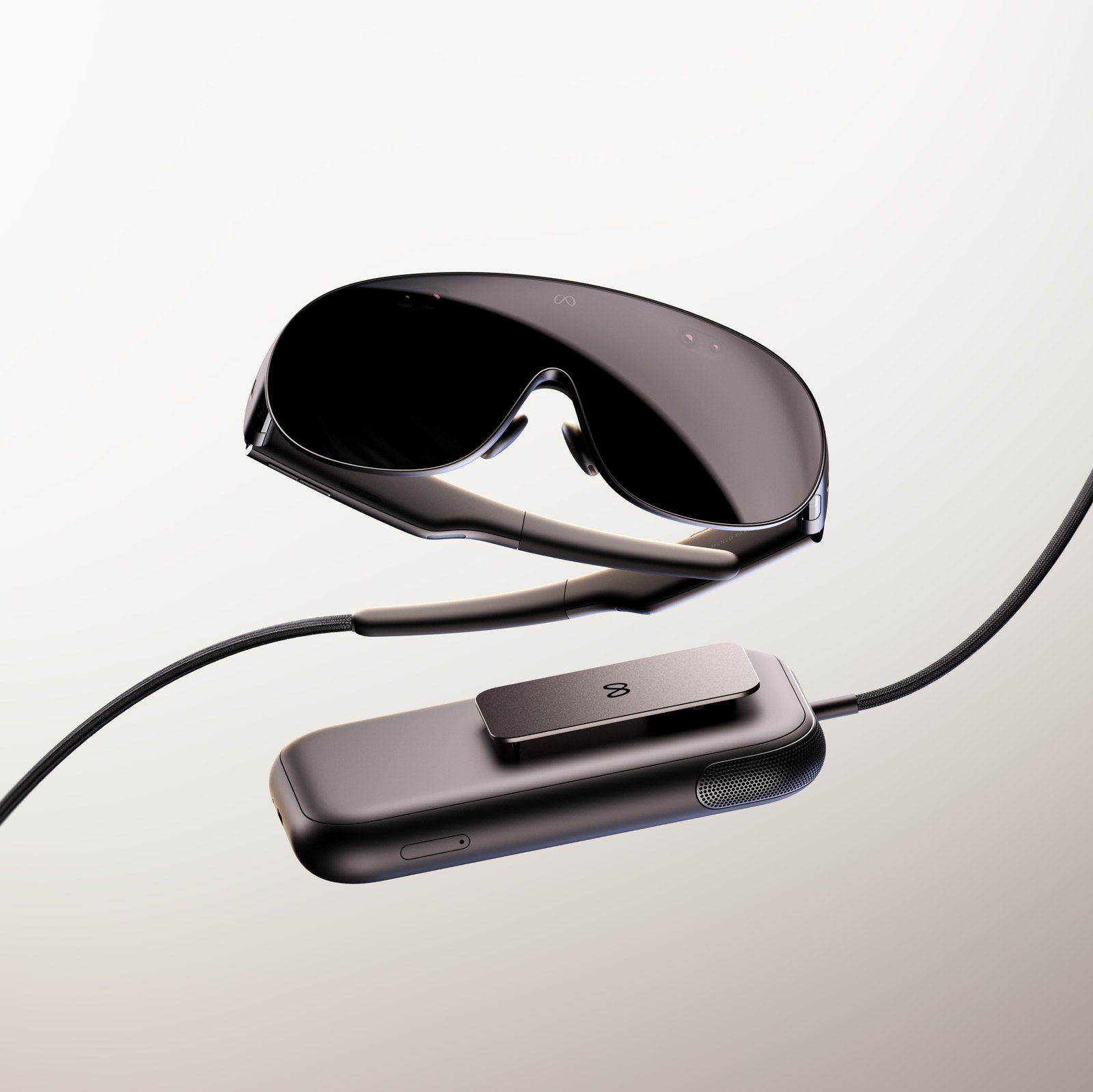
Mixed News (Chris Steven, Sep 26) caught the row on Meta’s public Compare devices table for Meta Horizon OS. Under EXTERNAL DISPLAY, the VR Glasses column reads “DisplayPort DP-In (puck)” and “Use as a Mac, Windows, or console display.” That is a VIDEO INPUT, not an output: something else renders; the glasses are the screen.
What the Consumer Pitch Still Leaves Out
Meta’s announcement post already promised you can “connect your Mac or Windows PC wirelessly or over USB-C,” and that a handheld can join “wirelessly or via USB-C” for a big virtual screen. It never names DISPLAYPORT. The developer table is the place that does — next to 1x USB-C on the same puck that carries PROCESSORS, STORAGE, and BATTERY for the spring 2027 hardware at $1,299.99 in the U.S.
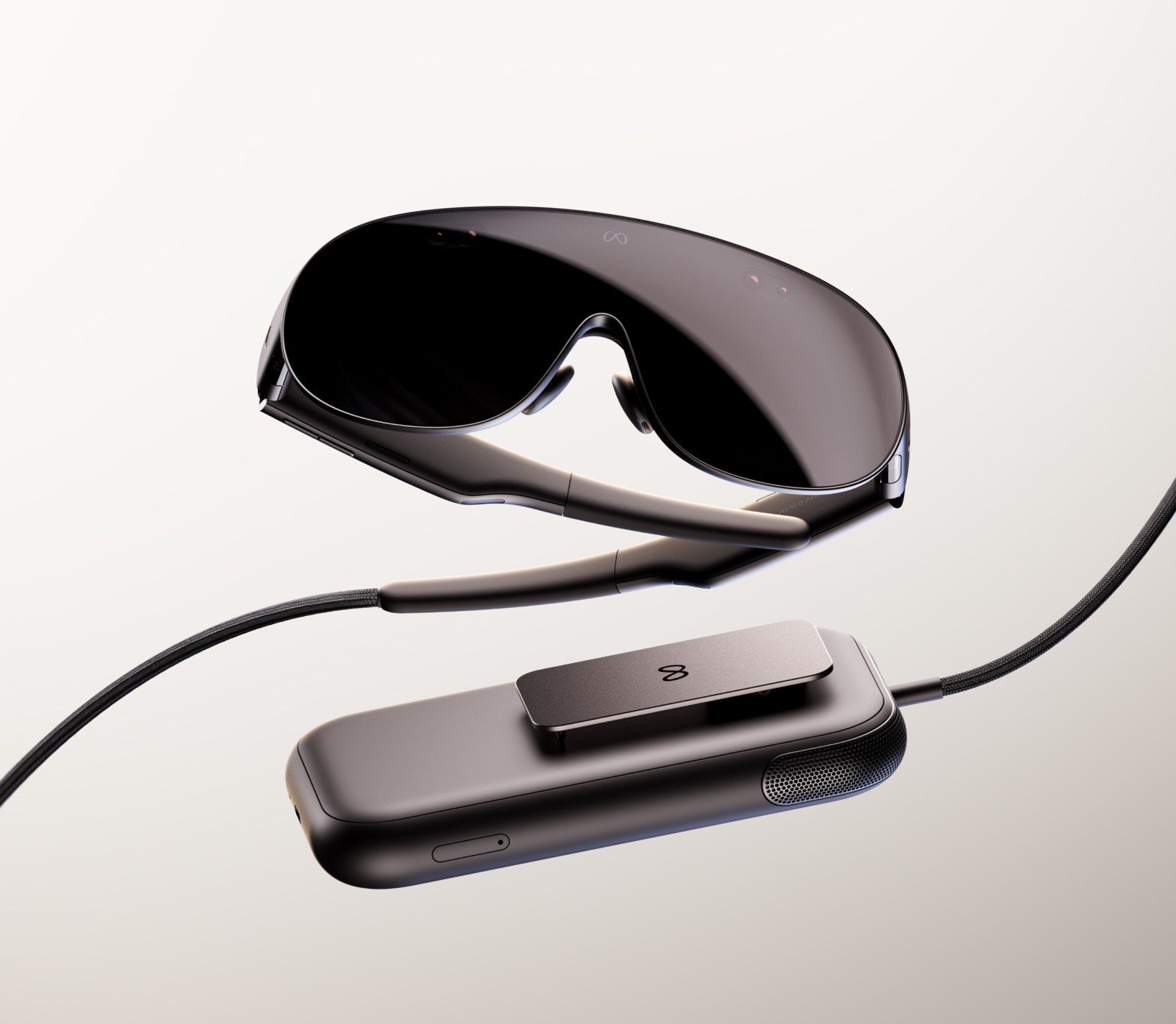
Useful details are still missing. Meta has not published a supported CONSOLE list, a wired RESOLUTION or REFRESH target for DP-In, or whether a phone or handheld needs its own DisplayPort Alt Mode to feed the port. Until units ship, the line is a documented capability — not a tested living-room demo.
Why a Narrow FOV Still Works as a Monitor
Reporting around Connect put the glasses’ field of view near 70° horizontal by 66° vertical — far tighter than Quest 3’s roughly 110° by 96°. For room-scale VR that is a real trade. For a WIRED EXTERNAL DISPLAY, Mixed News notes, a virtual monitor does not need to fill the edges of your vision the way a shooter does. Meta’s own materials still lean on micro-OLED panels, high pixels-per-degree claims, and up to about THREE HOURS of continuous high-resolution media playback from the puck, with 45W fast charging.
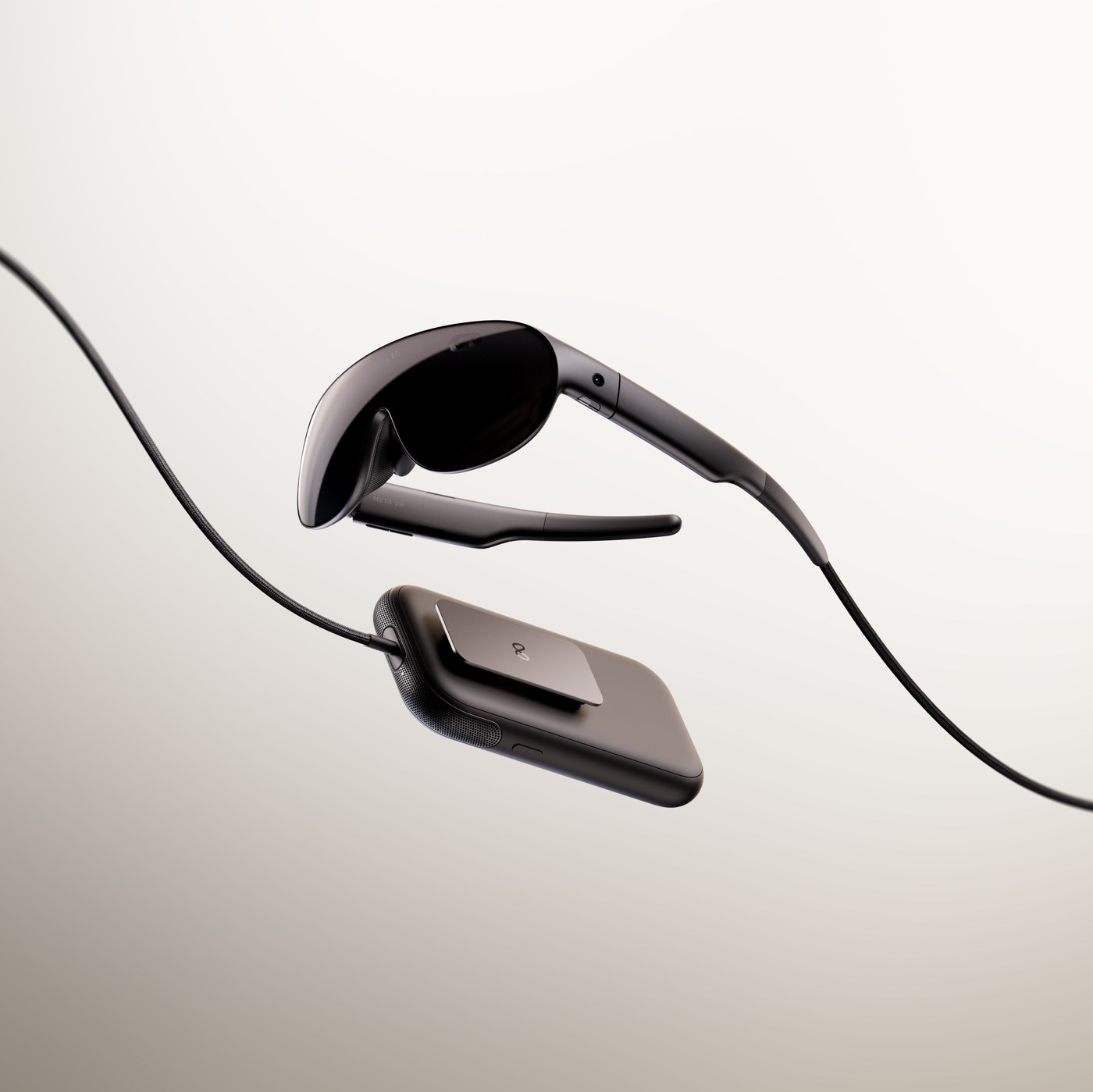
The chip name remains messy across Meta’s own pages. The consumer announcement cites Qualcomm’s SNAPDRAGON REALITY ELITE; some developer-facing comparisons have also used XR2 GEN 3 language. Mixed News flags the contradiction and notes Meta has not publicly reconciled which label is authoritative. Either way, the architecture is the same: heavy silicon lives in the PUCK, not on the bridge of your nose.
What to Watch Before Spring 2027
If DP-In works as the table implies, Meta VR Glasses become more than a Horizon Store client. They become a portable PANEL for a MacBook, a Windows desktop, or — if Meta ever names one — a console parked under the TV. That is a different product STORY from the hand-tracked GAMES and IMAX Enhanced cinema pitch that dominated Connect week.
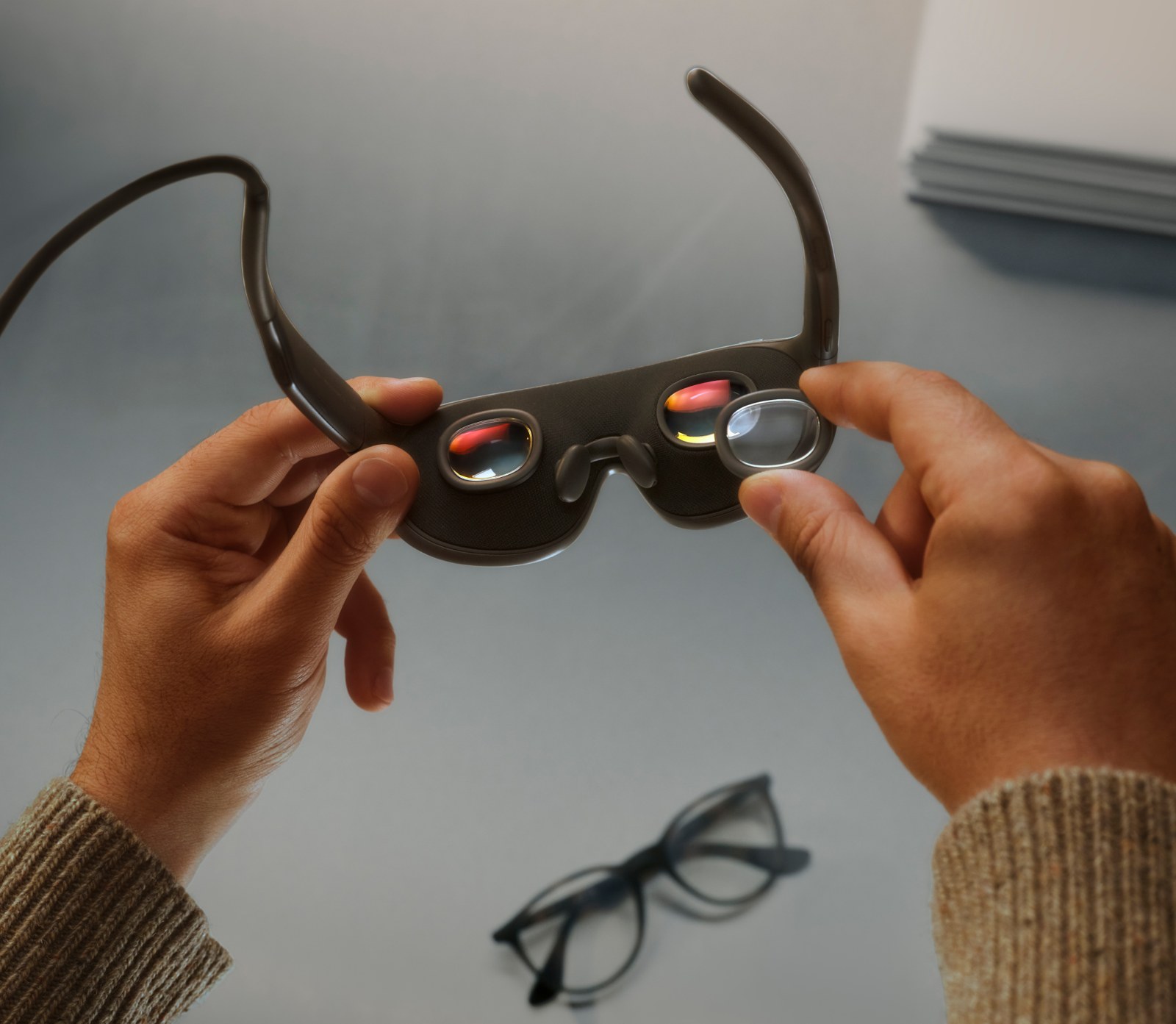
For now the honest summary is short. Meta documented DISPLAYPORT DP-IN on the puck. Consumer marketing still talks USB-C and wireless. Shipping is SPRING 2027. Until then, treat the port as a real line item on a real developer page — and keep the cable diagram, the console list, and the sustained desktop refresh rates on the unanswered pile.
Sources: Mixed News (Steven, Sep 26); Meta Horizon OS Compare devices; Meta Quest Blog — VR Glasses announcement; Meta Newsroom; UploadVR (Connect hardware wrap).