ETH Zurich (Fabio Bergamin, Sep 23) reports a new class of electroluminescent photoresists that let organic light-emitting materials SURVIVE the chemically harsh photolithography used for microchips — a path toward SHARPER screens for AR glasses and sub-centimetre camera viewfinders. The peer-reviewed paper landed in Nature on September 16, 2026.
Near-eye displays keep SHRINKING. AR glasses and electronic viewfinders already pack screens with diagonals under one centimetre, and every step smaller makes pixel manufacture HARDER. Conventional crystal LEDs grow dimmer as crystals are cut down. Organic light-emitting diodes can stay bright at tiny sizes — but their carbon-based emitters historically FAIL when chip-industry solvents and etchants hit them.
Core-Shell Polymers That Act as Photoresists
Yinyin Bao (then at ETH Zurich, now University of Helsinki) and ETH Professor Chih-Jen Shih led a team that rebuilt the emitter as a STAR-shaped complex. A luminescent CORE sits in the centre. Star-like arms hold shielding units that keep UV-reactive tips AWAY from that core. Under UV exposure the tips CROSS-LINK, so exposed regions stay put when the rest is washed away — the classic photoresist move, now with the light-emitting molecule still intact.
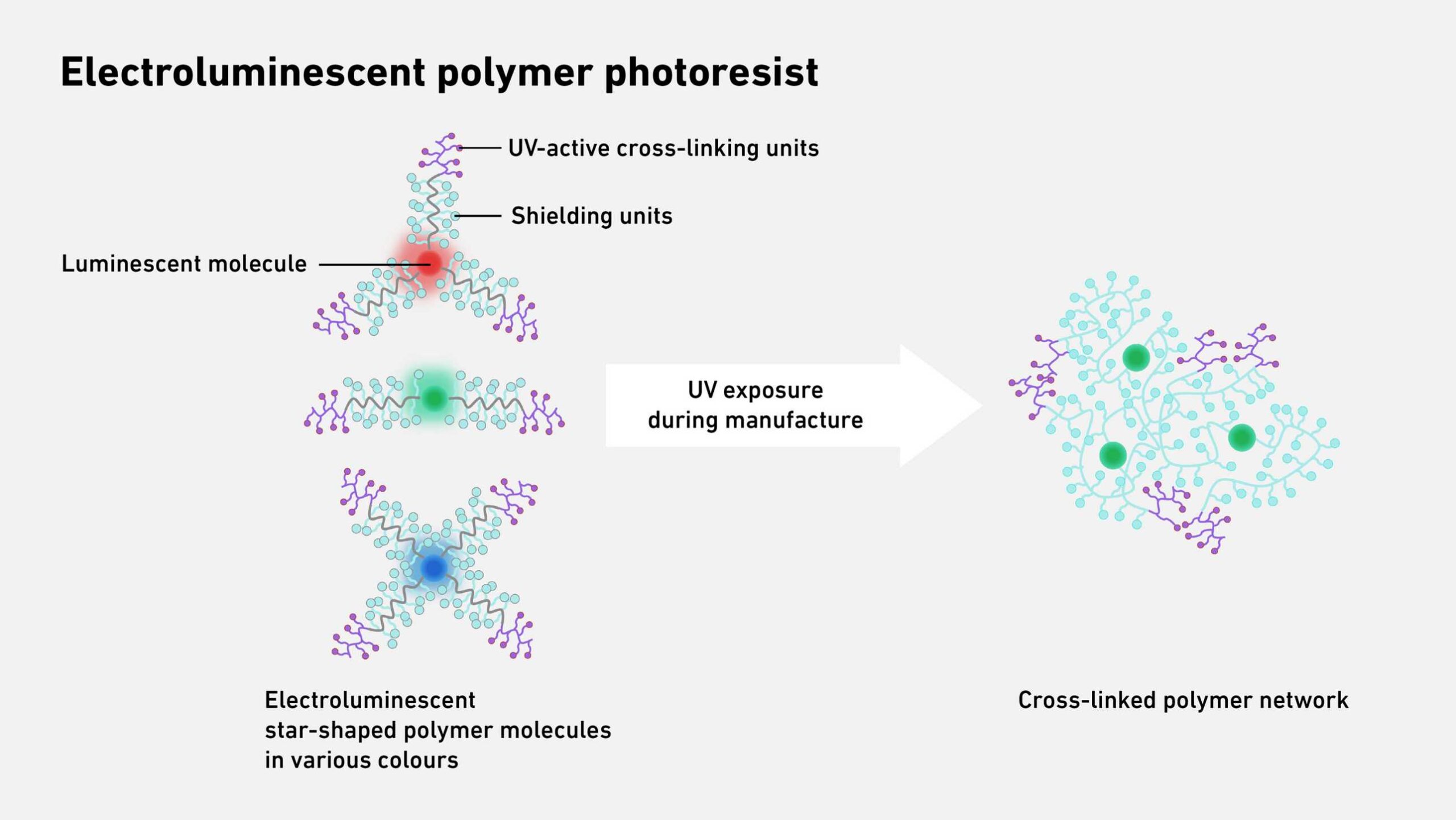
“We SEPARATE the two functions SPATIALLY,” Shih told ETH Corporate Communications. “The light-emitting molecule is protected INSIDE, whilst the reactive cross-linking groups are on the OUTSIDE.” An RMIT University co-author modelled that protective shell in simulation.
Macaw Test Image, Then an Electrically Driven ETH Logo
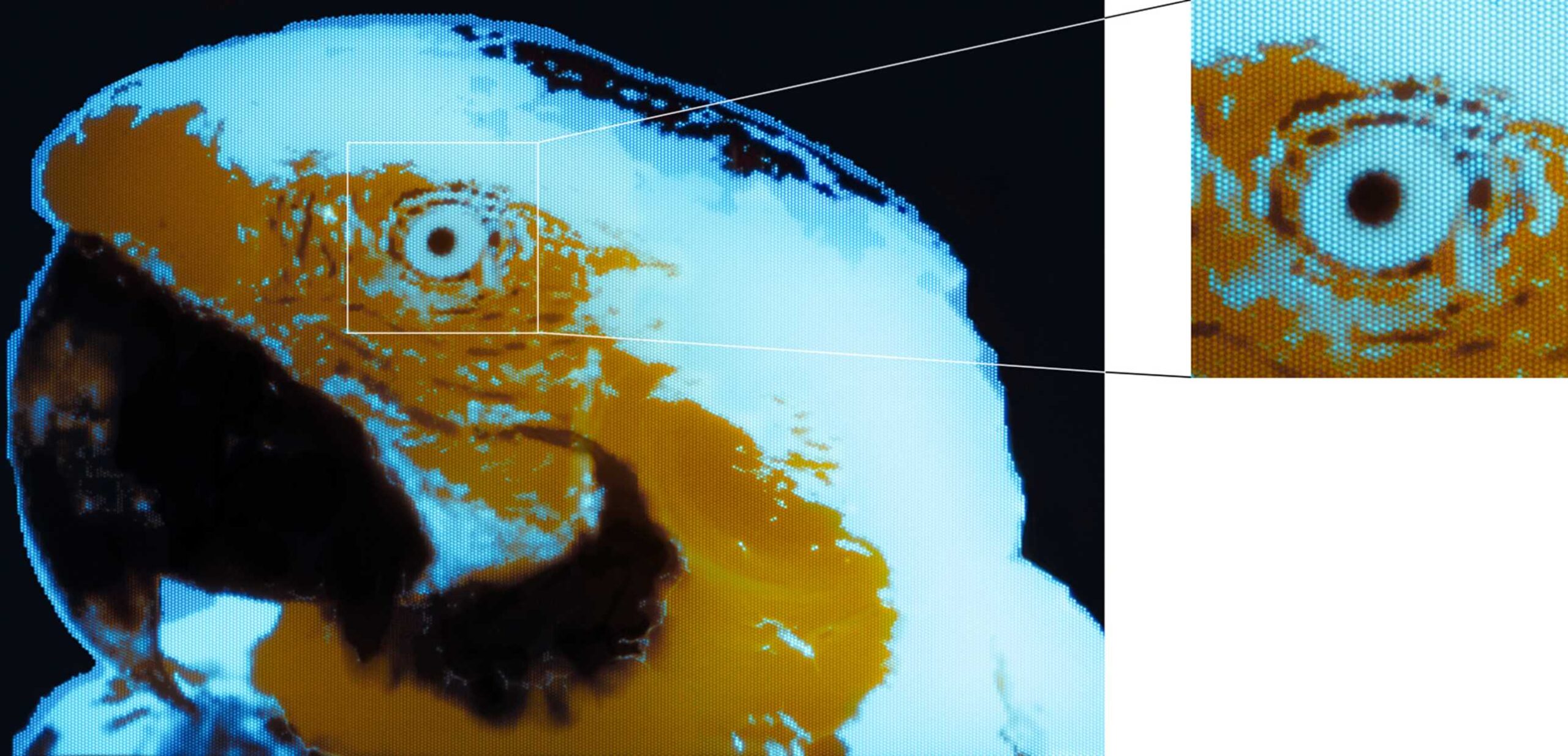
Precision demos are concrete. The team patterned a macaw measuring 300 by 430 micrometres with 250 by 350 pixels — ETH calls it the HIGHEST-resolution multicolour fluorescent image yet made by photolithography. Those pixels GLOW when lit from outside; they are not yet an electrically switched display.
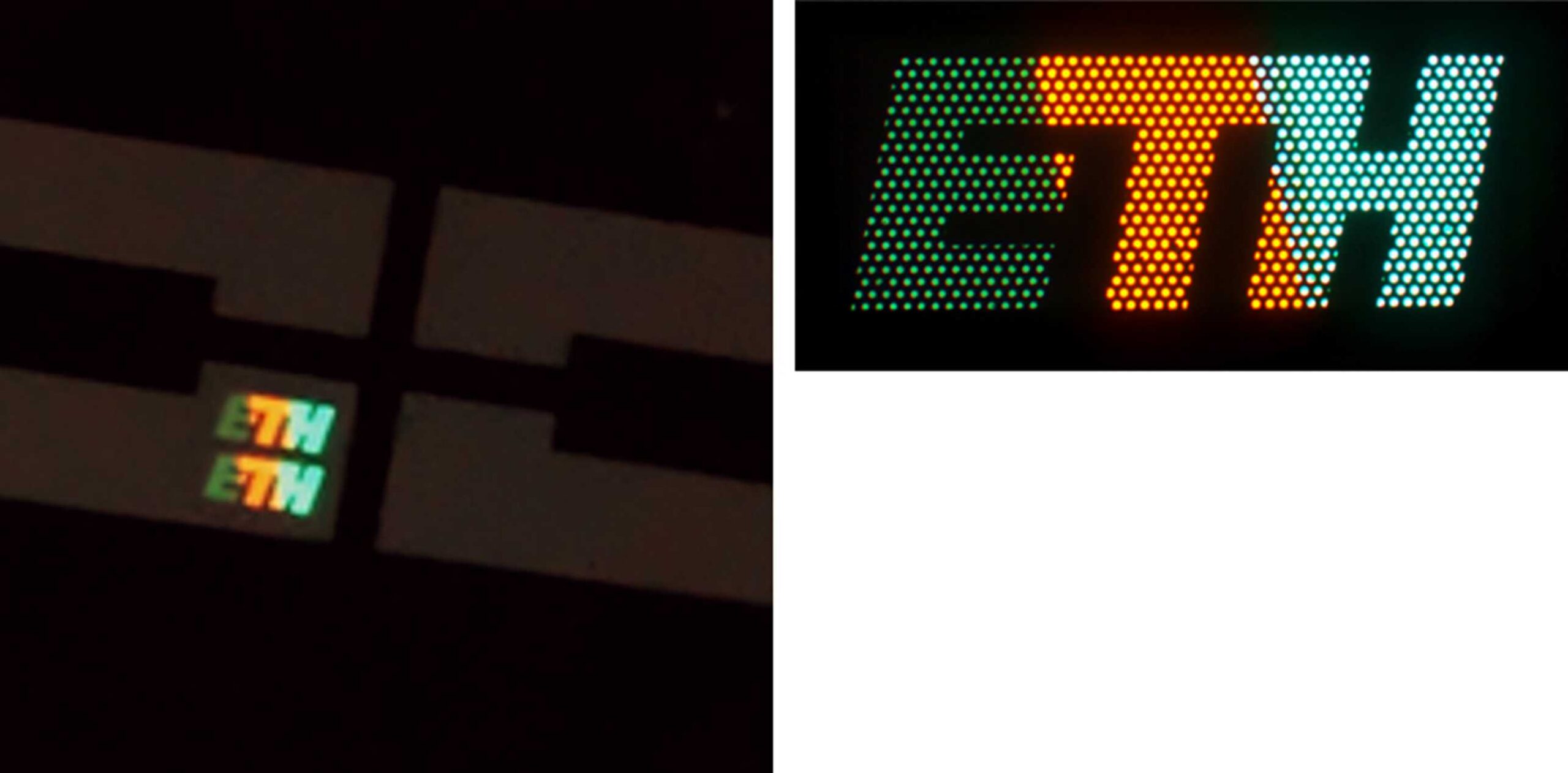
A second demo, built with ETH electronics professor Hua Wang’s group, produced an electrically powered ETH logo measuring 1 by 2.4 millimetres. That shows the chemistry can drive real diodes, not only fluorescent artwork. What is still MISSING for a working screen: drive electronics that switch EACH pixel independently, plus a further cut in diode pixel size.
Why AR Glasses Care
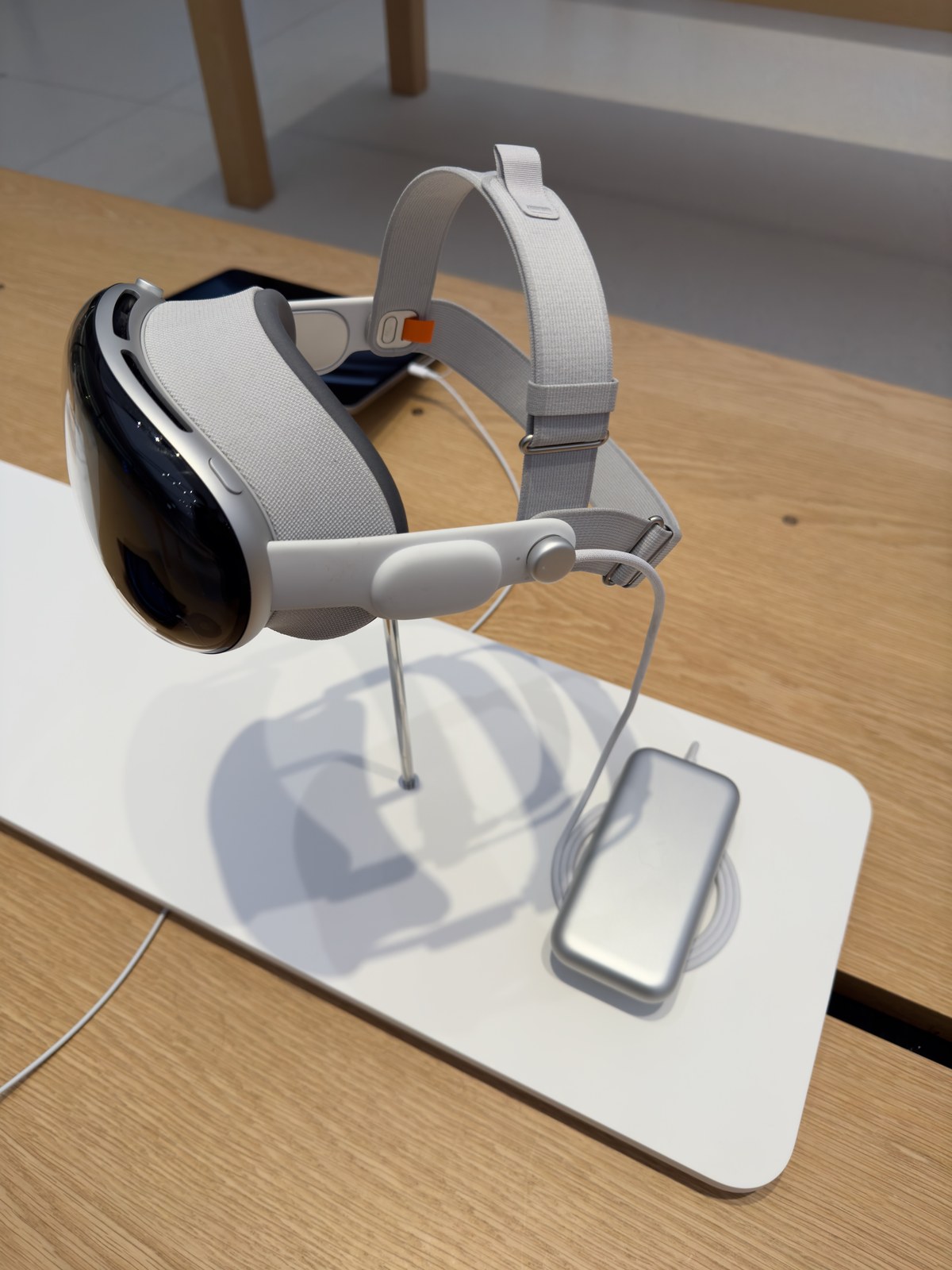
Consumer XR this week is loud about finished glasses and headsets. ETH’s result is a materials BET underneath those frames: if OLED pixels can be patterned with the SAME lithography stack chip fabs already trust, near-eye panels can get DENSER without inventing a wholly new process line. Shih also flags microchip-scale light sources for microscopy, sensors, and targeted cell or nerve STIMULATION — not only consumer AR.
The paper — Lo SW et al., “Electroluminescent photoresists extending lithographic scaling to OLEDs,” Nature, DOI 10.1038/s41586-026-11042-0 — does not claim a shippable AR panel. It claims a manufacturing BRIDGE that organic emitters previously could not CROSS. For glasses makers chasing fingernail-scale screens, that bridge is the NEWS.
Sources: ETH Zurich news; Nature paper; optics.org; Knowridge.