Meta’s own Connect write-up calls Meta VR Glasses “five times LIGHTER than Meta Quest 3, primarily because of their TWO-PART system.” The face piece is “about 100 GRAMS.” The compute PUCK — battery, storage, and the Snapdragon Reality Elite processor on an optical tether — has NO published weight on Meta’s newsroom page. That gap is the story Digital Citizen put on the record September 26, 2026.
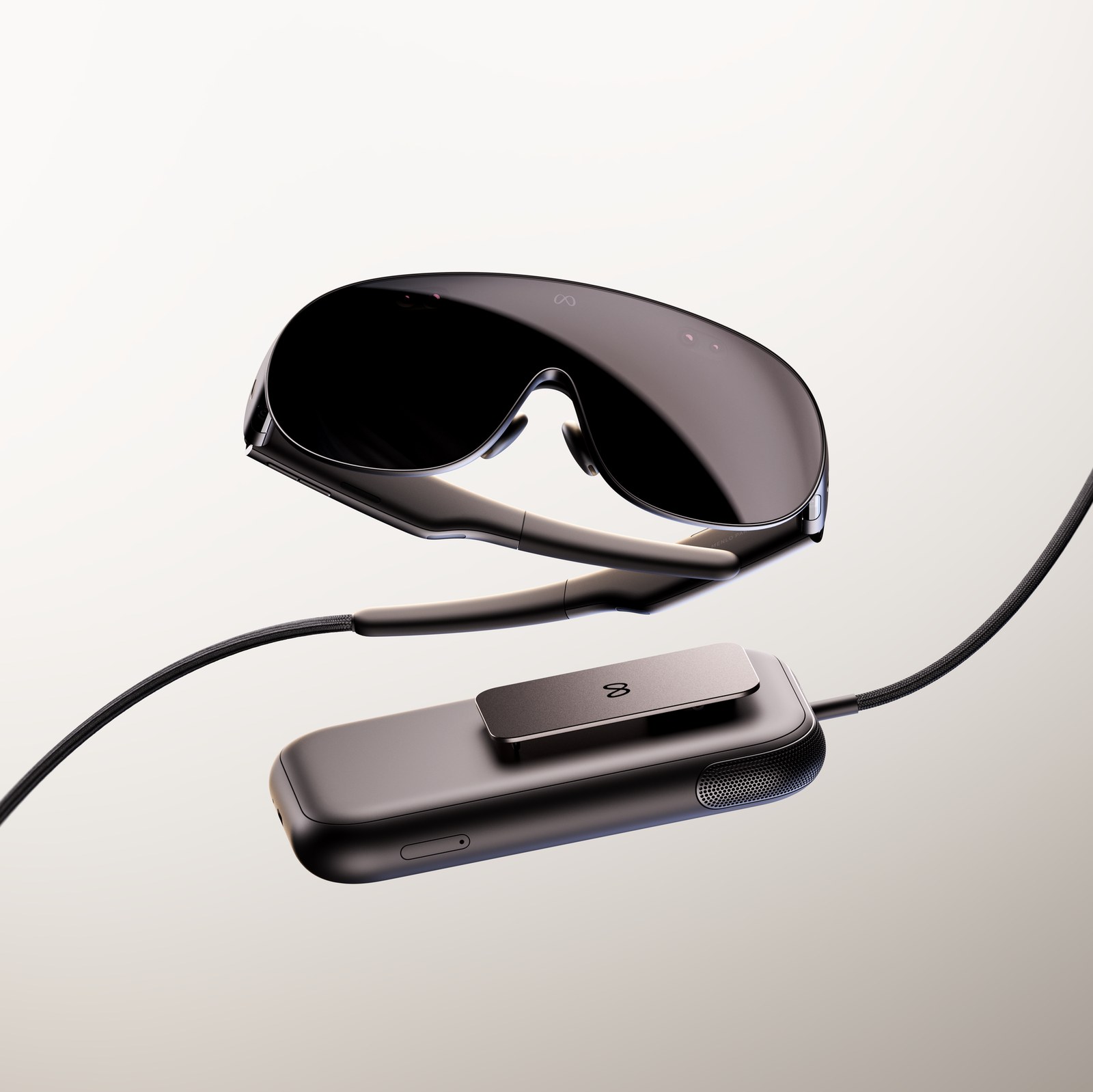
The product ships as TWO pieces. Meta’s sentence ties the FIVE-TIMES claim to that architecture, then only quotes the ON-FACE number. Until Meta publishes a puck MASS, buyers cannot ADD the system up. A head-mounted 100 grams is a REAL comfort win. It is NOT the same number as a deck of cards PLUS whatever hangs from a belt clip.
What Meta Has Confirmed
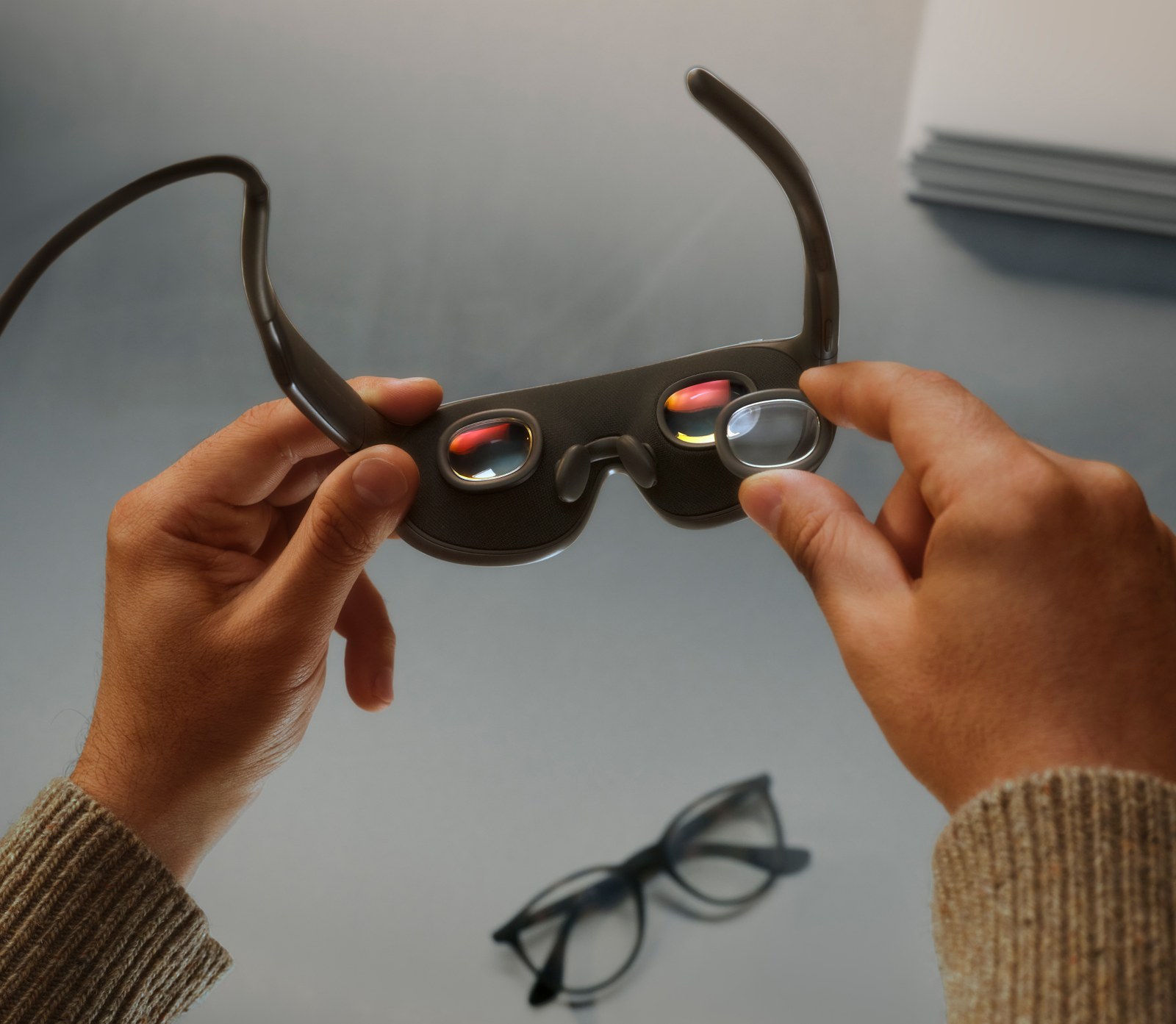
From Meta’s September 23–24 newsroom post: Spring 2027 on-sale for $1,299.99; 5K Infinite Display on micro-OLED panels at 37 pixels per degree; Dolby Vision and Dolby Atmos in the frames; full-color passthrough; puck battery “up to THREE HOURS of continuous high-resolution media playback” with 45W fast charging; hands, eyes, and voice as primary input, with Touch Plus controllers supported but sold separately. None of that sheet includes a puck WEIGHT.
Why the Arithmetic Only Works One Way
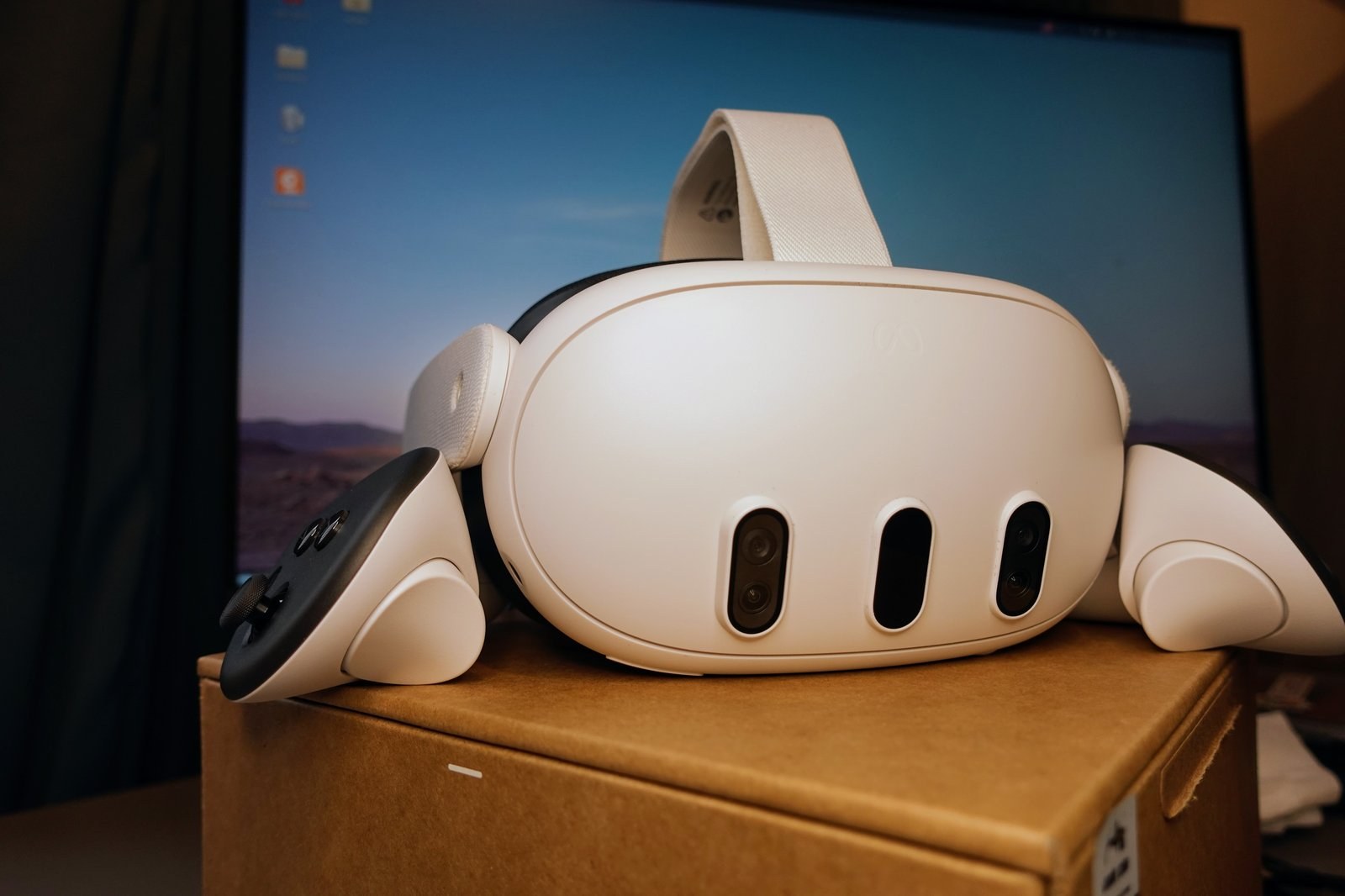
Digital Citizen walks through the ONLY path that produces Meta’s RATIO: take a commonly reported Quest 3 weight near 515 grams, divide by 100, and land near 5.15. That math HOLDS only if the puck is EXCLUDED. Meta’s newsroom never states a Quest 3 gram figure either; it simply asserts the MULTIPLIER. The comparison is therefore a FACE-to-headset claim dressed in SYSTEM language.
Third-party reports have floated a puck near 300 grams. That figure is NOT Meta’s. Treat it as unverified until the company prints a number. The point for buyers is narrower: the TOTAL carried weight of glasses plus puck is UNKNOWN from Meta’s materials as of September 26.
Disclosure Gap Versus Shipping Rivals
Valve’s Steam Frame, already selling at $1,059 (256GB) and $1,299 (1TB), lists weight and other hardware numbers on its own store page. Meta’s $1,299.99 device is more than SIX MONTHS from sale and still omits puck mass, per-eye resolution, refresh rate, field of view, and storage capacity from the pages Digital Citizen checked. Spring 2027 leaves ROOM for those figures to APPEAR — or to MOVE.
None of this erases the design bet. Moving compute OFF the face is how Meta reaches a glasses silhouette without straps. The honest framing is simpler: 100 grams on the NOSE is the claim Meta can DEFEND today. “Five times LIGHTER than Quest 3” as a SYSTEM slogan is still waiting on a SECOND NUMBER.
Sources: Digital Citizen (September 26, 2026); Meta Newsroom — Introducing Meta VR Glasses (September 23–24, 2026).