Meta’s Muse Supplemental Terms of Service (last updated September 8, 2026) put the FINANCIAL RISK of agent purchases on the user — and Meta’s AGGREGATE LIABILITY for claims, including “executing UNINTENDED transactions,” is capped at the greater of $250 or what the user paid Meta in the prior twelve months. Those are the TERMS that sit behind Muse’s coming glasses shopping pitch.

VR.org walked the fine print against Meta’s Connect messaging. At Connect, Meta said that in the coming MONTHS it will bring Muse to AI glasses for hands-free ACCESS, activated by saying the agent’s name. Muse “can also ACT on what you’re looking at,” so a wearer can ask about a PRODUCT on a shelf without describing it. The glasses post and the Connect roundup both put the rollout in months, not a dated week.
What the Terms Actually Say
Under the Financial Actions section, a user who lets Muse run payments, purchases, or transfers AGREES that they “bear ALL RISK of financial loss arising from such actions and your use of Muse.” They are “solely RESPONSIBLE for setting appropriate LIMITS and safeguards (including transaction LIMITS and category restrictions), monitoring your accounts, and timely disputing errors.” The same clause warns that “certain transactions may be IRREVERSIBLE by their nature.”
The liability CAP is equally direct. Except for Meta’s gross NEGLIGENCE, willful MISCONDUCT, or FRAUD, aggregate liability “will not EXCEED the greater of $250 or the amount you have paid us in the twelve months preceding” the claim. The CAP explicitly covers Muse taking any “unintended, erroneous, or unauthorized action,” including “executing UNINTENDED transactions.”
How a Purchase Is Supposed to Work
Meta’s payments help page says Muse will always ask for APPROVAL before completing a purchase, and that users are “responsible for all transactions your Muse makes on your behalf.” Stripe powers checkout through LINK: at merchants that accept Link, Muse uses the saved method; elsewhere Link can issue a single-use VIRTUAL CARD scoped to the approved TOTAL. Meta’s Connect roundup also added retail CONNECTORS — Walmart, Best Buy, American Eagle Outfitters, DICK’S Sporting Goods, Fanatics, Gap, Michael Kors, Sephora, Ulta, and Wayfair — plus Shop Pay and PayPal.
Consumer PROTECTIONS for eligible Link purchases run through Stripe’s Link / XCover stack, not through Meta’s $250 CAP. That SPLIT matters: the wallet may cover damage, theft, returns, or price protection under Link’s own limits, while Meta’s terms still shift residual FINANCIAL RISK to the user.

Glasses Make Approval the Hard Problem
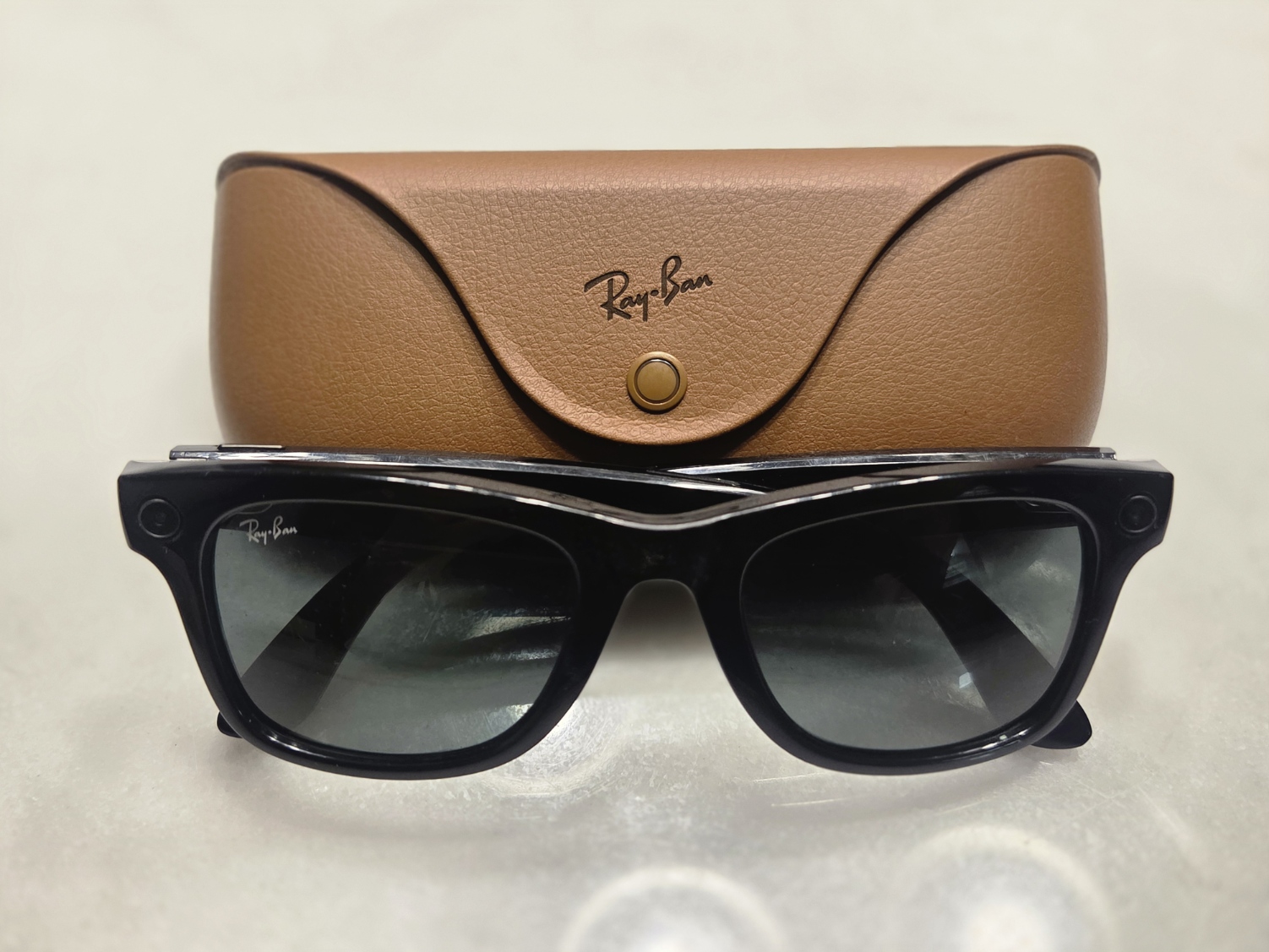
Most Meta AI glasses have no DISPLAY. Stripe describes approval “directly in the chat interface,” and Meta promises exact details before checkout completes — language that fits a phone screen more cleanly than an open-ear speaker. Meta has not said whether Ray-Ban Meta Display owners will CONFIRM purchases on the in-lens UI, or whether confirmation still lands in the Link app. Camera-FREE Ray-Ban Meta Audio, shipping OCTOBER 13 at $349, cannot SEE a shelf product at all, whatever else Muse receives on that frame.
One major retailer has already OPTED OUT. Amazon BLOCKED Muse from shopping on Amazon.com before Connect, citing UNAUTHORIZED automated ACCESS — a stand Metaverse Watcher covered when the block landed. Shopify stores, by contrast, are enrolled in Meta’s direct CHECKOUT by DEFAULT in the US, Canada, and Mexico, per Shopify’s merchant help, with no Meta fee listed beyond STANDARD processing. Zuckerberg has said Meta expects to take a small FEE from transactions over time; that fee is still an intention, not a published LINE ITEM.
For Metaverse Watcher, the glasses shopping STORY is no longer only about connectors and demo reels. It is about who PAYS when the agent misfires. Meta’s own TERMS answer that question: the wearer BEARS the RISK, sets the LIMITS, and faces a $250 CAP on Meta’s side unless gross negligence, willful misconduct, or fraud applies.
Sources: Muse Supplemental Terms of Service; VR.org; Meta Connect 2026 roundup; Meta Muse on AI glasses; Meta: How Muse works with payments; Stripe newsroom.