Samsung Display is winding down G-VR, the glass-substrate micro-OLED meant for a cheaper Apple headset. Formal termination lands in September. The escape hatch for a mass-market Vision product just closed.
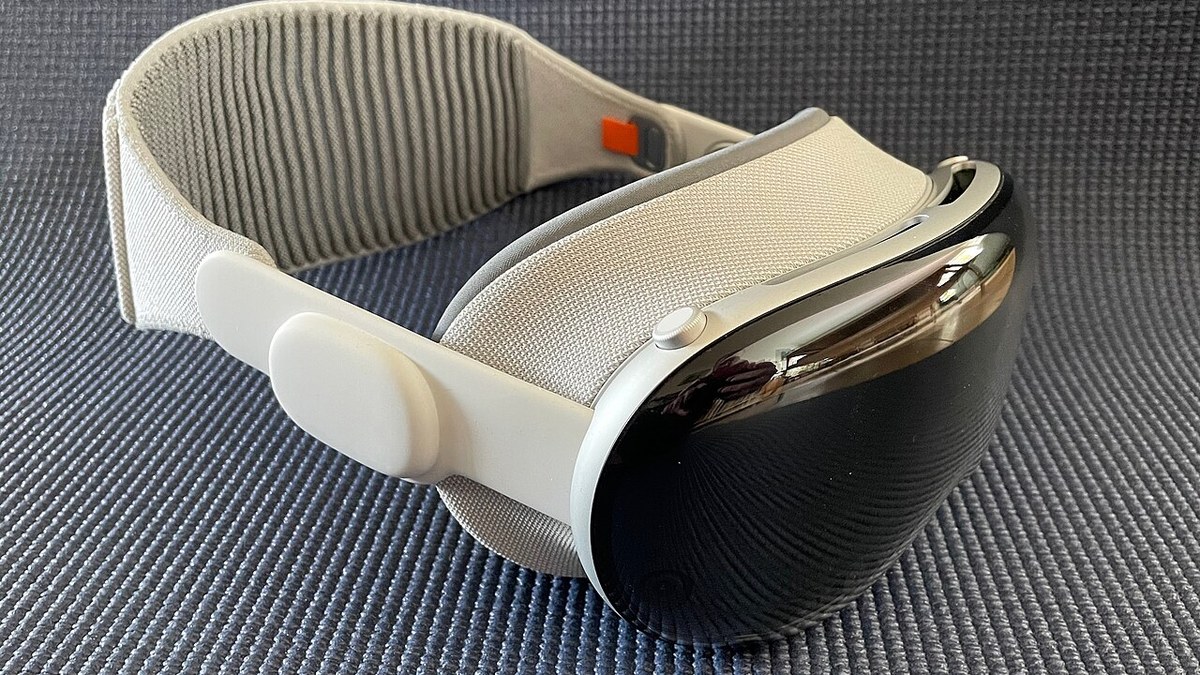
The cheaper Vision Pro has been dead as a product for months. What is dying this month is the panel that would have made one buildable. South Korea’s The Elec, as tracked by VR.org, reported that Samsung Display is shutting down G-VR — its internal name for a glass-substrate micro-OLED program developed for a lighter, lower-cost Apple headset. The project is set to be formally terminated by September. Apple has already moved the bulk of its mixed-reality hardware talent onto smart glasses. The panel program went with them.
Why the panel was the whole story
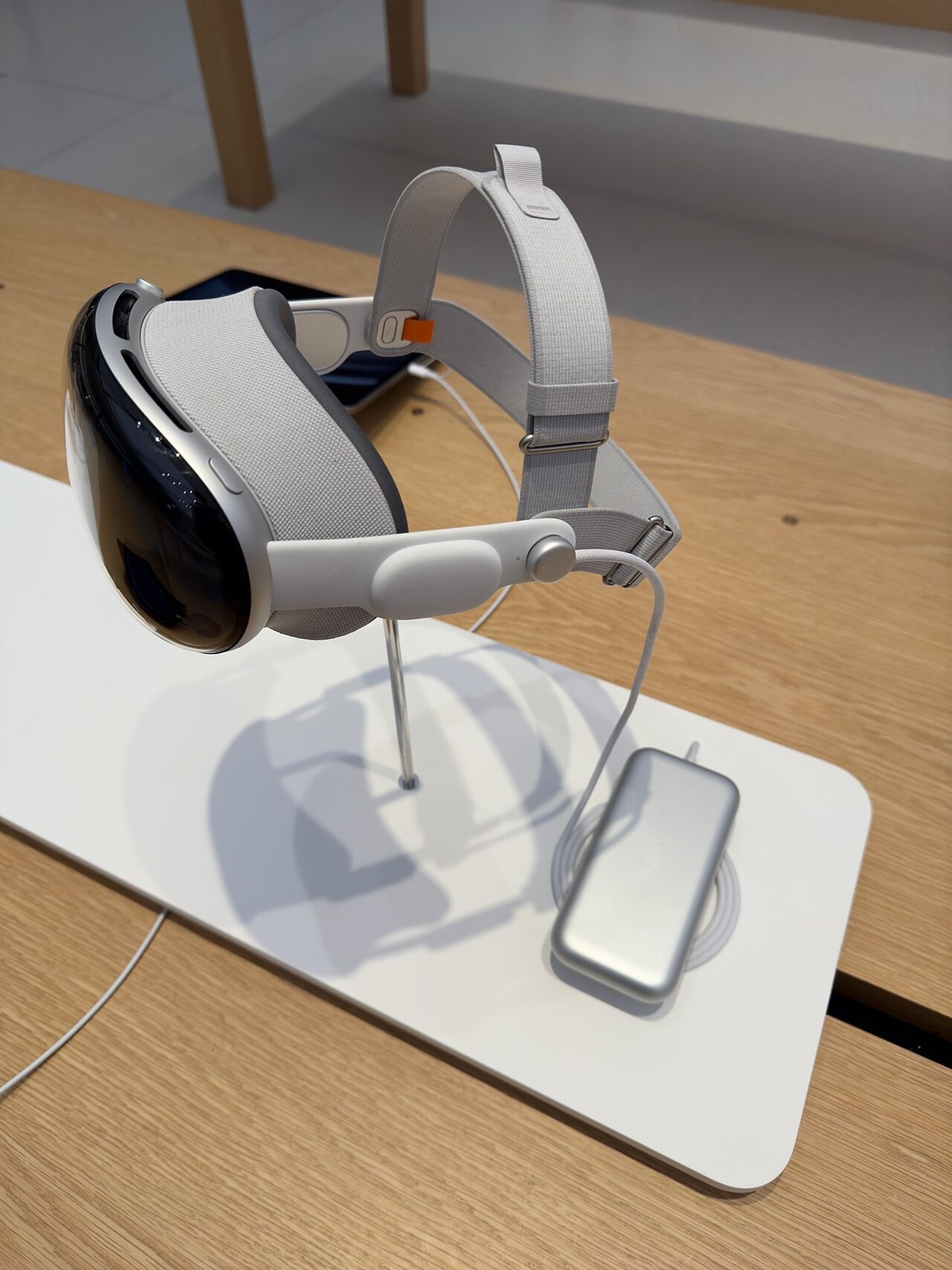
Vision Pro’s displays are OLEDoS: organic emitters on a single-crystal silicon wafer. That is how you get roughly 3,386 pixels per inch close enough to the eye for readable text. It is also why the bill of materials hurts. Silicon wafers are small, panels are cut from them, and yield on a 3,000-plus PPI emissive display does not improve like a phone LCD line.
G-VR was the escape hatch. Glass substrate means larger mother panels, more units per sheet, cheaper backplane processing, and a cost curve that behaves like display manufacturing instead of semiconductor manufacturing. The tradeoff, per The Elec’s reporting via VR.org, was resolution — roughly 1,600 to 1,700 PPI, about half the density of the current Vision Pro panel. Half the density sounds like a downgrade until you remember the job: a device at a fraction of the panel cost, paired with a lighter enclosure, was the credible path to a spatial computer a normal buyer might purchase. Mass production had been penciled for sometime after 2028. That timeline is now gone.
Product cancels vs component cancels
Mark Gurman reported the Vision Air paused in October 2025 and canceled in May 2026. Ming-Chi Kuo reported in June that incoming CEO John Ternus had erased Vision headsets from the roadmap. Those were product decisions. A display program is a multi-year commitment of process development, capital equipment, and a customer underwriting volume that does not exist yet. When Samsung Display formally closes G-VR, the institutional knowledge gets reassigned. Restarting means starting over.
So the practical read for anyone with Vision Pro deployments in surgical training, field service, or design review is blunt: the headset you stand up today is the headset you are standing up for years, not a bridge to a cheaper SKU. Delays get resolved. Component cancellations do not.
Glasses get the engineers. Samsung keeps the tech.
Apple’s display-free AI glasses are still expected in 2027, aimed at the category Meta built with Ray-Ban Meta. A display-free product needs no micro-OLED, which explains the sequencing better than any strategy memo. G-VR’s September termination also lines up with Ternus taking the CEO seat on September 1 — whether deliberate or incidental, the incoming chief inherits a closed headset panel commitment.
The line that is not about Apple is the interesting one. Samsung Display is continuing OLEDoS work for its own mixed-reality devices, and industry reporting suggests it may carry glass-substrate learning into its own smart glasses rather than shelve it. Apple funded years of research into making high-density micro-OLED cheap, then walked away, leaving a supplier with a Galaxy XR line that needs exactly that technology. Meta, meanwhile, has already lined up Seeya and BOE for micro-OLED on its next flagship. The affordable high-density supply chain is consolidating around companies that still intend to ship headsets.
The caveat
The Elec is a supply-chain outlet with a strong record and an imperfect one. Apple has not confirmed the kill. Samsung Display has not confirmed it. Panel programs have been reported dead before and quietly revived. Read this as one more consistent data point in a pattern that now runs from Gurman to Kuo to the fabs — not as a press release. When the analysts, the reporters, and the component suppliers all describe the same retreat, the disagreement is mostly vocabulary. Apple spent years arguing the headset was the next computing platform. It is betting the decade on glasses with no screen, and this month the last hardware piece that could have made the old bet work gets a termination date.
Sources: VR.org (The Elec reporting); Mark Gurman / Bloomberg coverage of Vision Air; Ming-Chi Kuo roadmap notes as cited in the same VR.org chronology.