TRU Simulation + Training, the Textron simulator unit that sits alongside Textron Aviation, says its Cessna Skyhawk Veris virtual reality flight training device is making its SHOW DEBUT at NBAA-BACE in Las Vegas, with LIVE demos at booth #3415. The announcement, published October 5 via Business Wire, is the FIRST public showing of the fixed-wing Veris since TRU signed a deal with US Aviation Academy for FIVE units at last year’s show. What the release does NOT contain is JUST AS telling: there is NO qualification date, no DELIVERY status for that order, and no PRICE.

What TRU Is Actually Showing
The Skyhawk Veris PAIRS a VR headset with a PHYSICAL cockpit. According to the full release text, the cockpit REPLICATES Skyhawk instrumentation and controls and uses REAL Garmin G1000 NXi avionics, so students can train “with or without the virtual reality headset.” It is DUAL-SEAT, which lets an instructor and a student sit SIDE BY SIDE and lets training run from EITHER the left or right seat.
That dual-seat layout is the CORE pitch. TRU CEO Jerry Messaris said the device was “designed with intentionality” so that instructors and students “train together on the device,” and framed Veris as a way for flight schools to “expand access” as pilot demand GROWS. TRU says the seating supports training CREDIT across EVERY licensing phase, from private pilot through flight instructor.
The Qualification Caveat
The key phrasing is CAREFUL. TRU says the Skyhawk Veris is “designed to meet” Federal Aviation Administration Level 7 Flight Training Device standards, and that it “will expand” the Veris line into fixed-wing training “upon qualification.” In plain terms, the FAA has NOT YET qualified this configuration, and TRU does not say WHEN it expects that to happen.
That MATTERS for buyers. A flight school’s BUSINESS case for a simulator rests on the training CREDIT it can log, and that credit depends on the qualification level the device ACTUALLY earns, not the one it was DESIGNED to reach. Until the FAA SIGNS OFF, the Skyhawk Veris is a DEMO piece with a target rating, not a CERTIFIED training tool.
What the Veris Platform Brings
TRU’s Veris product page describes the broader line rather than the Skyhawk build specifically, but it FILLS IN the hardware the release leaves out:
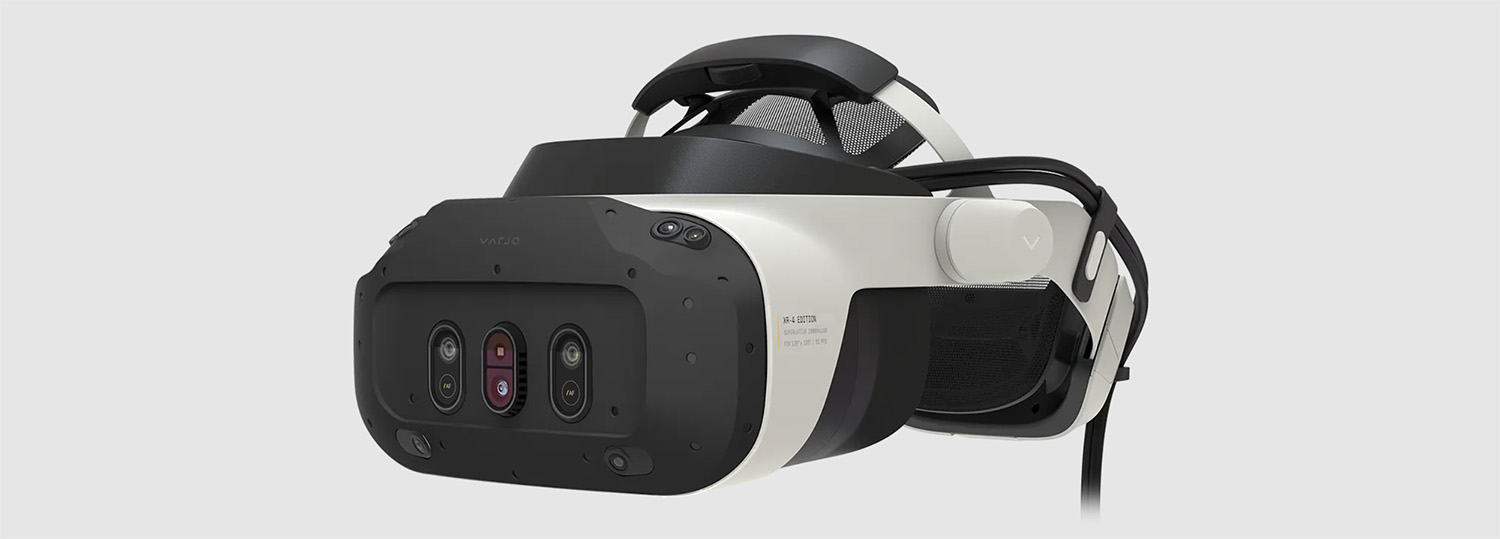
- Headset: a VARJO VR/MR headset with a WIDE field of view and EYE TRACKING, using hand segmentation so pilots see their REAL hands on the physical controls.
- Visuals: an image generator built on UNREAL Engine with real-time global illumination, plus OPTIONAL geo-accurate terrain from Blackshark.ai.
- Motion: a fully ELECTRIC six-degrees-of-freedom motion platform.
- Footprint: 7.3 x 6.85 x 7.25 feet, which TRU says fits most existing rooms with minimal or NO facility changes.
The page also says Veris is built to meet “the highest-level FAA and EASA” FTD qualifications. The new release mentions ONLY the FAA Level 7 target, and the release does NOT NAME the specific headset model used in the Skyhawk configuration.
Why It Matters for XR
Aviation TRAINING is one of the FEW ENTERPRISE VR markets where the value is MEASURED in regulator-approved HOURS rather than ENGAGEMENT. VR plus a physical cockpit promises full-flight immersion in a SMALLER and CHEAPER box than a dome-projection simulator, which is why TRU is leaning on COST and FOOTPRINT in its pitch.
The Skyhawk is also the RIGHT airframe for the test. Textron says more than 45,000 Cessna 172s have been delivered since 1955, and it remains the DEFAULT trainer at flight schools worldwide. If a VR device can earn MEANINGFUL credit on the airplane most students ACTUALLY fly, the case for headset-based simulators gets much STRONGER.
For now, the HONEST status is this: the Skyhawk Veris has a LAUNCH CUSTOMER, a BOOTH, and a TARGET rating. The NUMBER to watch is the FAA qualification, and TRU has not put a DATE on it.
Sources: TRU Simulation via Business Wire; full release text via Investing News Network; TRU Simulation Veris product page.