Axis Imaging News put Florida’s first MediView XR90 case back on the wire this week, and the clinical detail still matters more than the headline. Axis’s September 8 write-up confirms what Cleveland Clinic’s August 20 newsroom note and MediView’s August 4 release already established: Cleveland Clinic Weston Hospital is the first Florida site to run MediView’s XR90 holographic surgical navigation system in a live procedure.
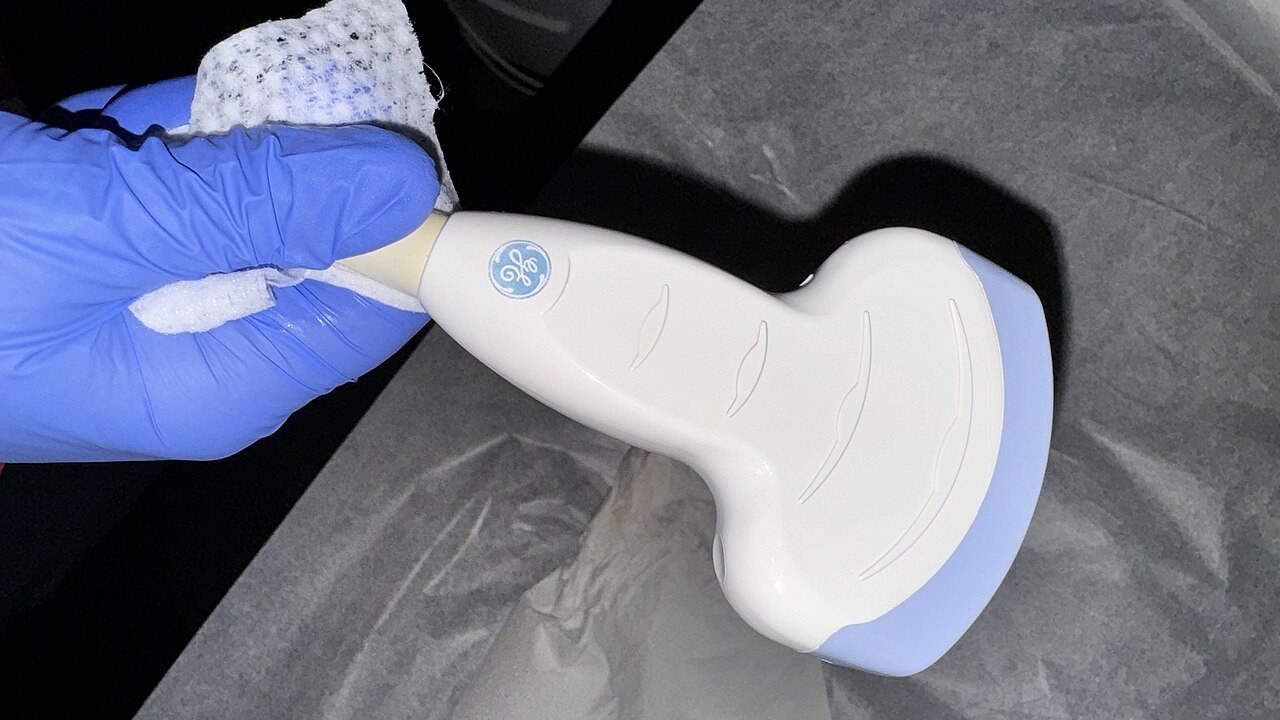

The first case was a percutaneous liver mass biopsy. Interventional radiologist Dr. Kevin Stadtlander targeted a difficult-to-reach lesion without continuous X-ray guidance. MediView and follow-on reporting describe a target roughly 10 centimeters deep between hepatic-vein branches — the kind of anatomy that normally forces slow passes and more glance time at a wall monitor. XR90’s pitch is head-up: register a preoperative CT volume to live, tracked ultrasound, then project the fused view into a see-through headset so the operator keeps eyes on the patient.
What XR90 actually clears
Stadtlander’s quotes in Cleveland Clinic’s release stay concrete. Ultrasound alone is the usual biopsy guide. Extended reality lets the team pull ahead-of-time CT into a holographic 3D anatomy overlay while ultrasound runs live. The hospital says that multi-modality view can improve safety, accuracy, and efficiency without adding procedural radiation from CT during the intervention itself.
That matches the regulatory envelope. FDA’s 510(k) database lists XR90 (K223125, decision July 13, 2023) as an adjunctive visualization aid for minimally invasive ultrasound- and CT-guided needle procedures in soft tissue and bone. Adjunctive is the operative word: it does not replace the physician’s imaging judgment or the cleared ultrasound/CT workflow. VR.org’s deeper reconstruction of the Florida case walks the clearance language and the procurement questions that sit behind a successful demo.

Florida first, then ablation and research
Weston plans to start with complex biopsies, then expand toward therapeutic work such as thermal ablation as experience builds. The hospital also flags clinical research, physician education, and collaboration across the Cleveland Clinic network. Ergonomics are part of the buy: keep imaging in the headset instead of swiveling to room monitors.
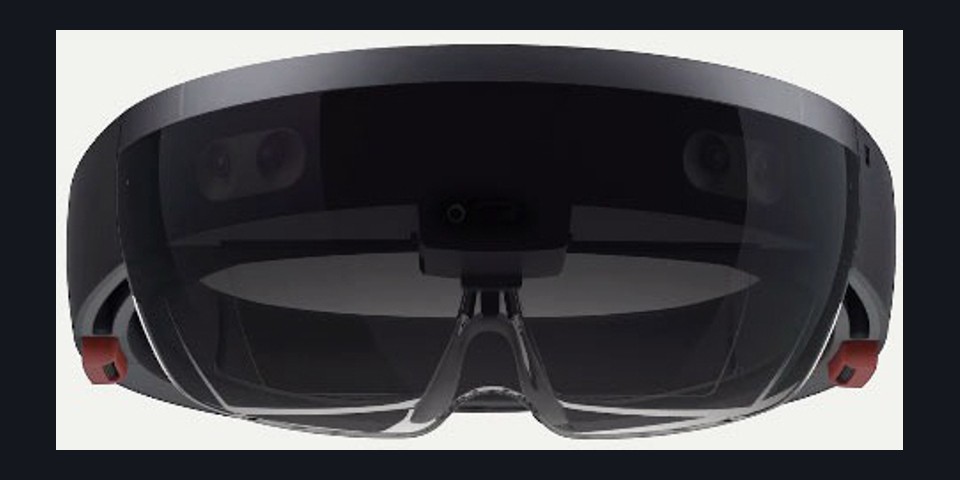
The harder follow-up is hardware continuity. When XR90 cleared, it ran on HoloLens 2. Microsoft ended HoloLens 2 production in late 2024 and has published a limited support runway. MediView has not publicly named a replacement display stack. A first Florida case is a real clinical milestone. It is also a reminder that enterprise XR still has to answer what the headset looks like two years after the press photo.
Sources: Axis Imaging News; Cleveland Clinic Newsroom; MediView / PR Newswire; VR.org; FDA 510(k) K223125.