Counterpoint Research’s Q2 2026 AR/VR note, published September 7 and picked up today by PC Gamer, draws a clean line through the same market we covered last week with Omdia’s 1H26 headwear drop. Consumer VR is still cooling. Lighter AR and AI eyewear are not.
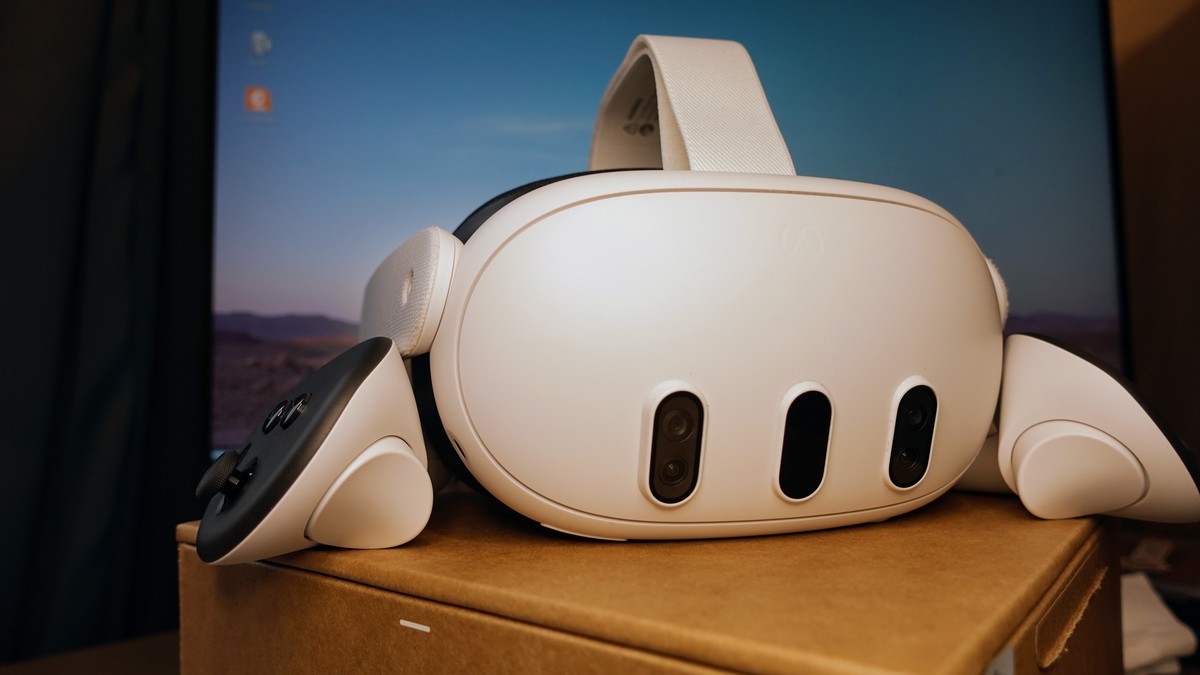
The headline numbers are unambiguous. Global VR headset shipments fell 18% year over year and 16% quarter over quarter in Q2. Global AR device shipments, by contrast, surged 138% YoY and 10% QoQ. Counterpoint points to new product launches, OEM international expansion, and China’s 6.18 promotions as the AR drivers. On the VR side it calls out Meta’s Quest 3 and Quest 3S price increases amid the memory supply crunch as “further pressure to an already cooling market.”
What the split actually means
PC Gamer’s Jess Kinghorn frames the same dataset against Valve’s still-unscheduled Steam Frame window, and that is the useful consumer read. Quest 3 now lists at least around $600 and Quest 3S around $350 in that write-up. Frame has to walk into a category where the volume leader just raised prices and unit sales are still sliding. Memory costs that already hit Steam Machine chatter do not make that easier.
Counterpoint is also careful not to write VR off. Enterprises and governments, it says, are “generally less price-sensitive than consumers” when they buy digital-twin and spatial-computing kits. Robotics demand, “particularly in China,” for headsets used in data collection and remote control is expected to grow this year. That is a different buyer than someone deciding between a Quest and another game console.
Share math, and how this differs from Omdia
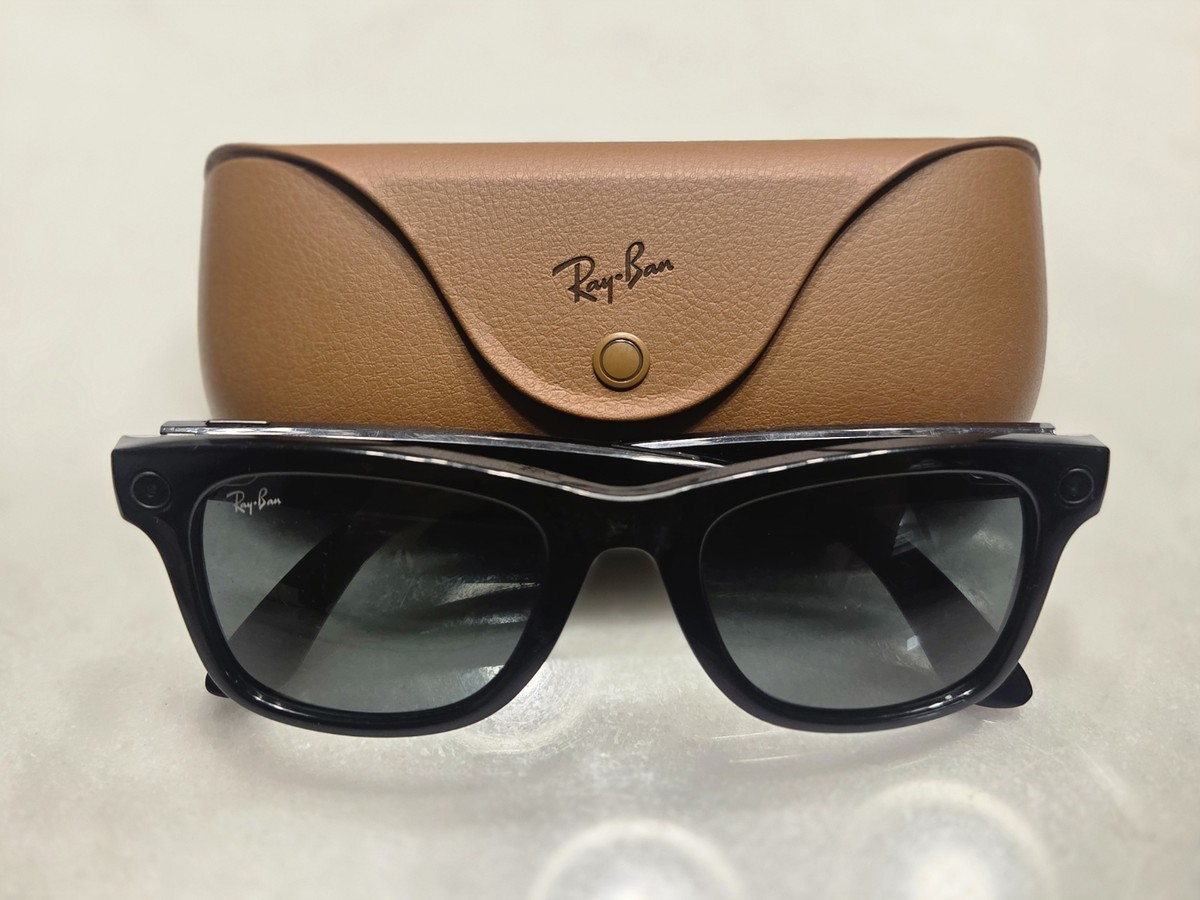
PC Gamer, citing Counterpoint, puts Meta at a 54% share of the AR/VR OEM market in Q2 2026. That is still leadership. It is not the old near-monopoly shape. Our earlier Omdia piece measured a related but different cut: total XR headwear shipments down 38.7% YoY to 1.9 million units in 1H26, with glasses rising from 10.2% to 25.8% of that mix and Meta’s headwear share falling from 71.3% to 48.2%. Counterpoint’s Q2 AR surge and VR decline rhyme with that shift. They are not the same spreadsheet.
Treat both as research-house estimates, not audited store sales. Counterpoint’s public summary does not publish absolute unit totals in the free overview; the directional story is what is usable without the paid report.
The near-term beat
For the rest of September the calendar is glasses-heavy: Snap’s SPECS stage on the 16th, Meta Connect on the 23rd–24th, visionOS 27 on the 14th. None of that reverses a Q2 VR unit slide by itself. It does reinforce why Counterpoint’s AR column is the one moving. Steam Frame still has to prove there is a consumer VR purchase left that is not a replacement cycle Meta already failed to spark.
Sources: Counterpoint Research, Global AR/VR Market Insights and Development Trends, Q2 2026 (published September 7, 2026); PC Gamer; prior coverage of Omdia’s 1H26 XR headwear figures.