The Dutch government has told parliament it will NOT press for binding EU design rules on camera glasses, will NOT start its OWN study of a PUBLIC-wear ban, and will NOT ban stickers that cover recording lights — while repeating Meta’s claim that covering the CAPTURE LED DISABLES the camera. The answers, received September 24, 2026 and covered October 1 by Mixed News and a companion report on Meta’s LED safeguard, sit beside a separate parliamentary motion seeking a broader “gluurbrillen” ban.

What The Hague Told Parliament
State Secretary Van Bruggen (Justice and Security) and the State Secretary for Economic Affairs answered eighteen written questions from CDA members Zwinkels and Straatman. The full text is published via the Tweede Kamer as document 2026D45821. On design mandates, the answer is blunt: “Nee, op dit moment niet” — no, not at this time — because The Hague wants to WAIT for the European Data Protection Board’s study of smart glasses later this year.
A partial or full ban on wearing camera glasses in public is framed as a FAR-REACHING step available only when lighter options FAIL. The government writes that use of camera glasses is not “intrinsiek onwenselijk” (intrinsically undesirable) and that EXISTING privacy and criminal-law tools already TARGET unwanted use. Facial recognition of random bystanders by private users without a legal basis remains FORBIDDEN under the GDPR and AI Act, so ministers see no need for an extra European call to action.

Capture LED, Stickers, And Meta’s Claim
Asked whether today’s small indicator light is clear enough, ministers CONCEDE it often is not: many people do not automatically read a glasses LED as “recording,” and bright or busy scenes can hide it. They also know that stickers, mods, and instructions circulate online to COVER or bypass that light. A SALES ban on those aids is REJECTED as legally fragile, easy to circumvent, hard to enforce, and disproportionate.
Instead, the answers CITE Meta: the company says the camera is AUTOMATICALLY switched OFF when the glasses DETECT that the recording LED has been COVERED, physically TAMPERED with, or DESTROYED. That line matches Meta’s July 2026 Q&A, “Meta’s AI Glasses: Your Questions Answered”, where Meta writes that covering the CAPTURE LED disables the camera and that firmware now also reacts to physical LED tampering. Neither Meta nor The Hague publishes test results proving how RELIABLE that detection is in the FIELD.

Six Signals, One Complaint — And The EDPB Clock
The Autoriteit Persoonsgegevens has received SIX signals and ONE complaint about camera glasses so far, the government says; the Public Prosecution Service has no figures on criminal reports. The AP is working with other European regulators, and because Meta’s EU establishment sits in IRELAND, the Irish DPC remains the LEAD supervisory authority. Venue operators, schools, and care institutions already have house-rule tools to LIMIT or BAR the devices, ministers argue, so no new NATIONAL guideline is required.
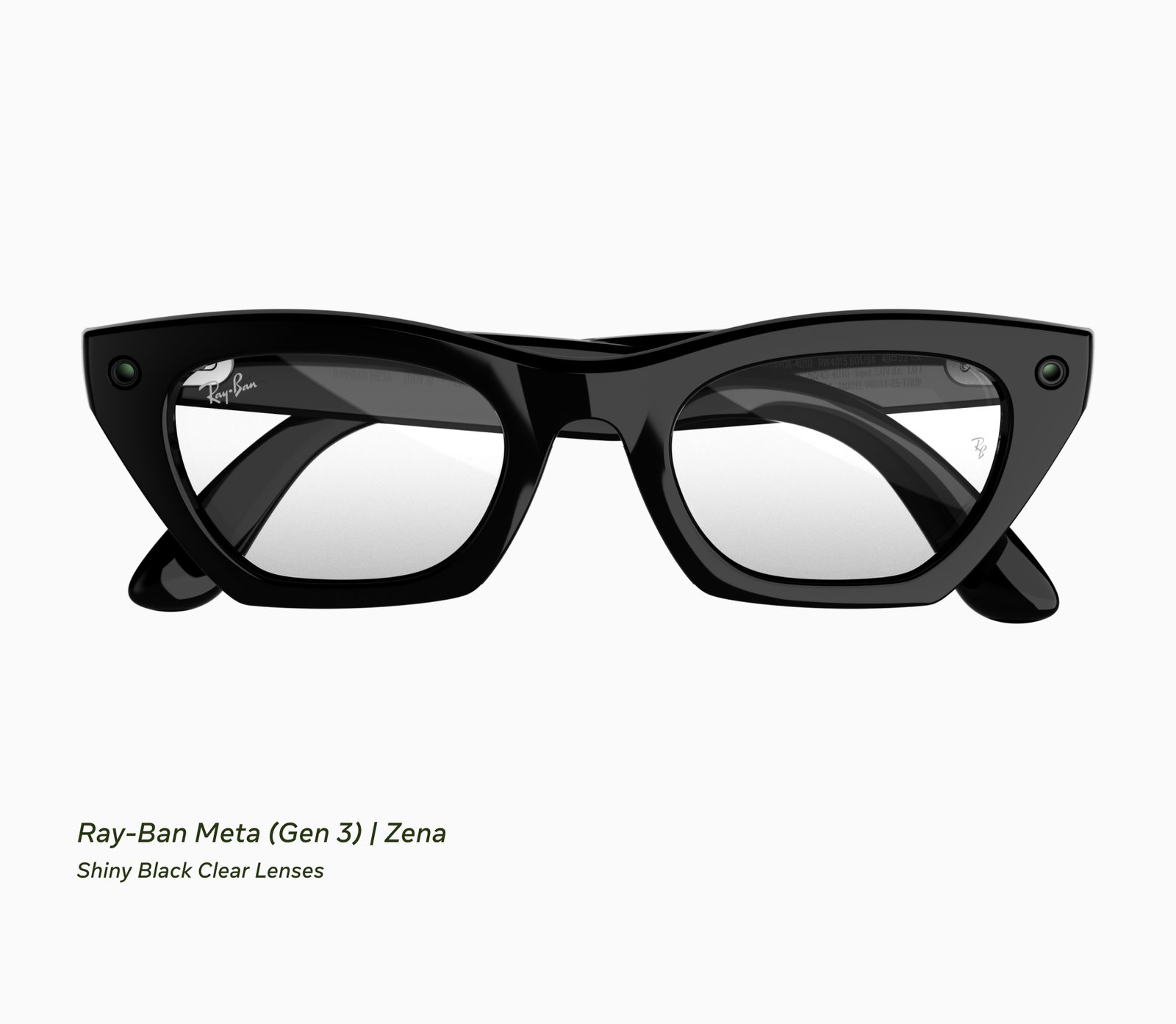
Separately, a September 24 motie (kst-32761-347) asked the government to further forbid “gluurbrillen” and to map legal options with the AP by Q1 2027. That political push does not erase today’s admin answers: for NOW, The Hague is WAITING on the EDPB, leaning on EXISTING law, and treating Meta’s LED tamper story as part of why a sticker ban is off the table. For wearable makers shipping camera glasses into Europe, the MESSAGE is clear — REGULATORS are WATCHING, but a Dutch PRODUCT ban is not the NEXT move.
Sources: Tweede Kamer answers 2026D45821; kst-32761-347 motion PDF; Mixed News (policy); Mixed News (LED); Meta AI Glasses Q&A.