Deloitte’s Quebec court file on Felix & Paul Studios puts the Montreal cinematic-VR house at roughly US$34.5 MILLION in liabilities, a failed summer SALE process with ZERO binding bids, and a US$350,000 transfer of Space Explorers plus lunar-camera tech to a numbered company formed by former executives—paperwork that, as of October 2, 2026, reads like a CLOSING stamp rather than a rumor.
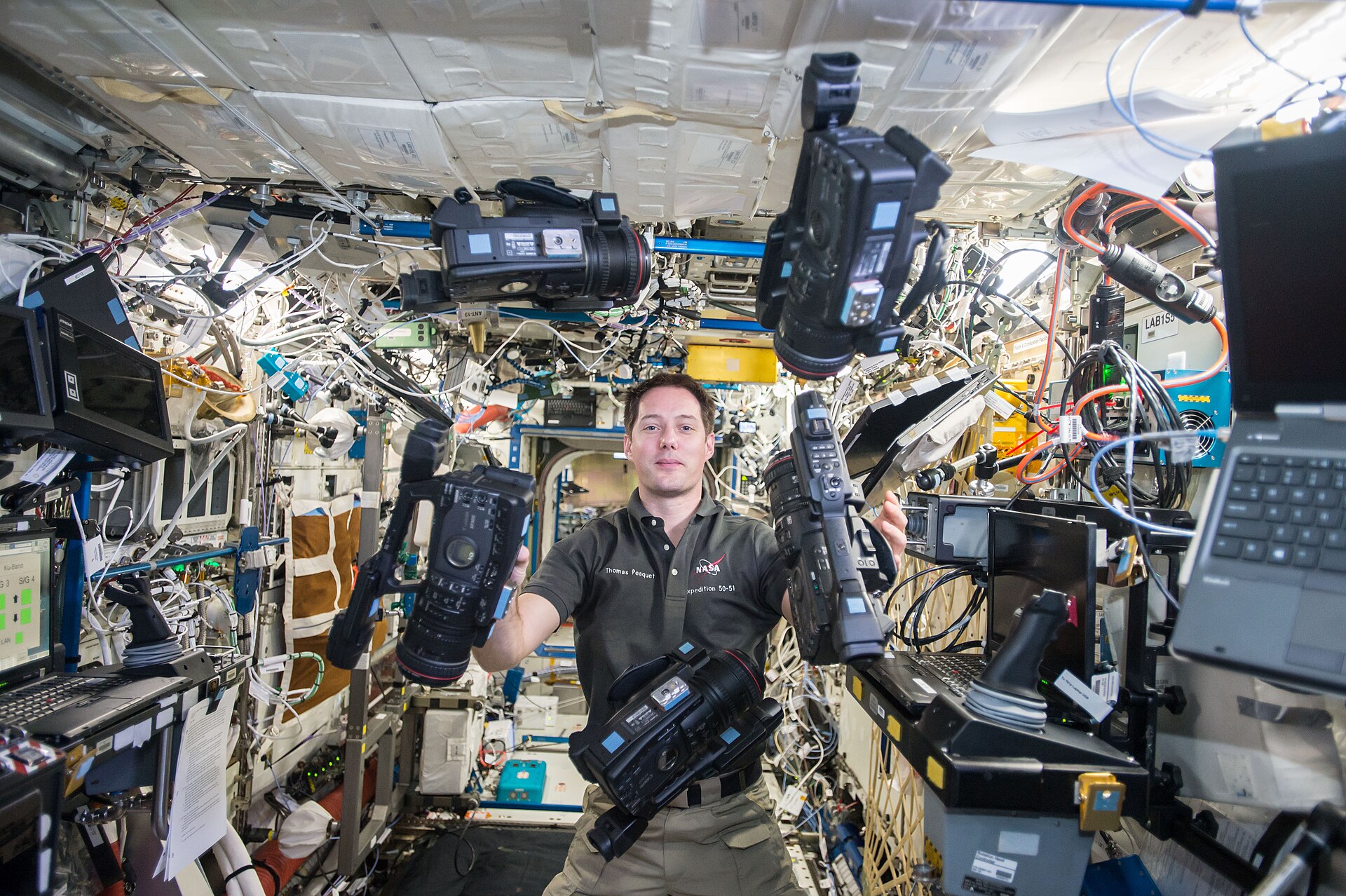
VR.org’s Sam Whitfield walked the trustee reports on October 2. Insolvency Insider had already flagged the September 10 assignment and the headline numbers on September 20. Together they describe an Emmy-winning studio that BUILT Space Explorers: The ISS Experience with TIME Studios and NASA, sold location-based and Meta at-home DISTRIBUTION, and bet heavily on Interstellar Arc at AREA15 in Las Vegas. The court file now supplies the date the business ENDED as a going concern. For Metaverse Watcher, this is a BALANCE-SHEET story first: immersive IP that could not find a cash BUYER at scale.
Seventy-Six Approaches, No Binding Offer
According to Deloitte Restructuring’s first report, liabilities stood at about US$34.459 MILLION as of July 31, against book ASSETS near US$22.1 million that the trustee largely DISCOUNTS in a liquidation. Solicitation documents went to 76 prospective buyers; 51 signed CONFIDENTIALITY agreements. NONE submitted a binding offer by the July 28 deadline. The single non-binding proposal offered creditors no cash and was WITHDRAWN August 9. Nearly all of roughly 46 employees were DISMISSED on August 17; two remained when the bankruptcy was filed.
Revenue was US$2.336 million in 2024, US$3.144 million in 2025, and US$3.164 million in the first seven months of 2026, against net LOSSES of about US$19.2 million across those three periods. Management blamed production-studio losses, slower Interstellar Arc growth than FORECAST, delays to two lunar missions, and the CANCELLATION of a major project in June 2026 that limited financing—reasons the sworn statement of affairs compresses to a checked box for lack of financing or capital. On those figures the studio lost roughly two dollars for every dollar it TOOK IN.
What US$350,000 Bought
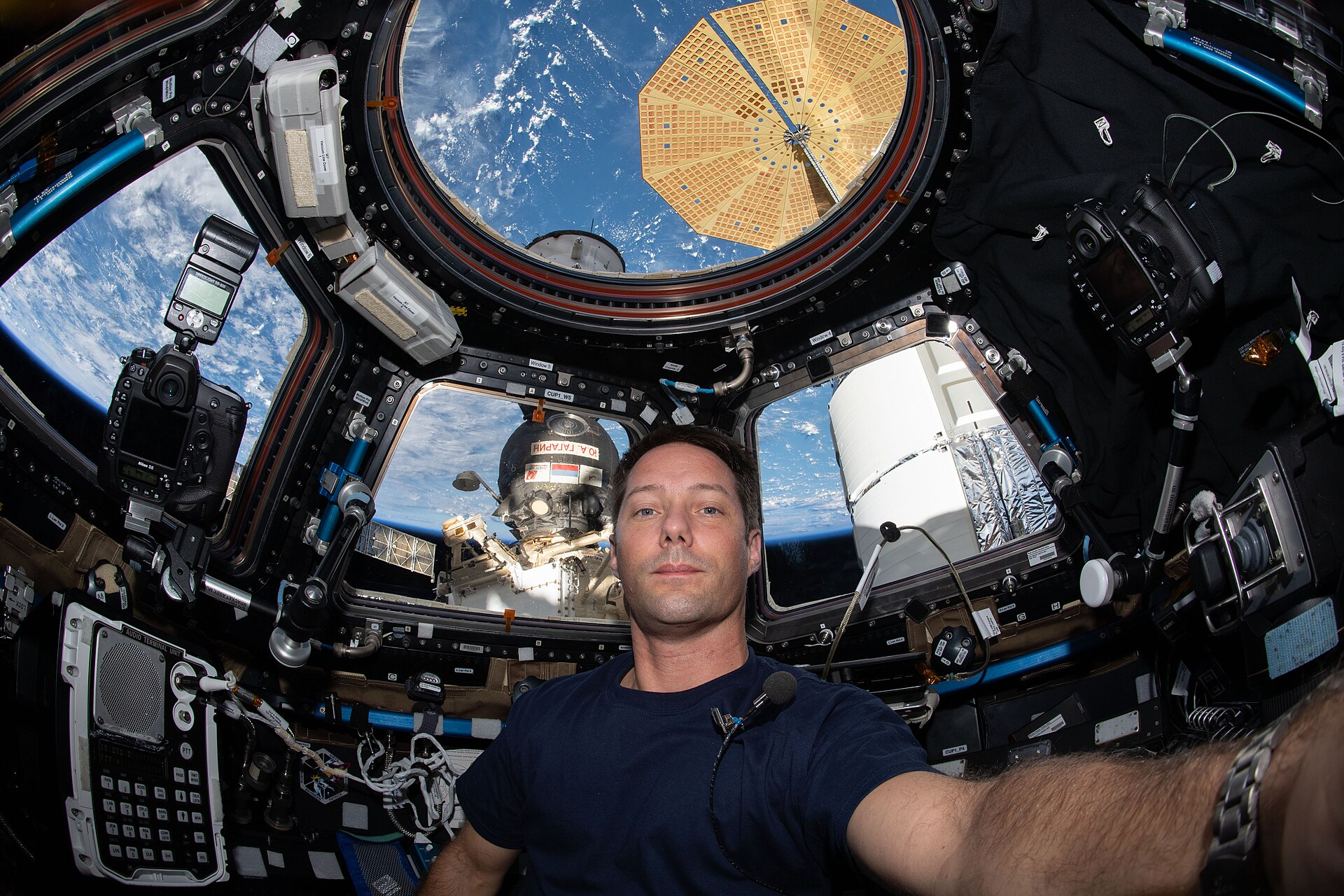
On September 17 a court registrar APPROVED selling the Space Explorers intellectual property and a 3D, 360-degree lunar camera system—DEVELOPED with Canadian Space Agency and Meta participation, per the motion—to 18201714 Canada Inc., newly FORMED by former executives and employees. By September 28 the trustee reported the money in its trust account. Deloitte called the price “clearly SUPERIOR” to forced liquidation; set against US$34.459 million of liabilities, it is about ONE PERCENT.
Urgency in the motion centers on two lunar flights: an Astrobotic mission listed for NOVEMBER 2026 and an Intuitive Machines flight for DECEMBER. Five engineers designed the camera system and had already been OUT OF WORK for weeks; counterparties including the Canadian Space Agency and Meta favored TRANSFERRING contracts only to a structure that could still DELIVER. Ordinary creditors, the trustee writes, should expect NO distribution. Secured public lenders DOMINATE the creditor list—Export Development Canada, Investissement Québec, BDC Capital, Canada Economic Development, and SODEC among them, per Insolvency Insider’s rundown of the filings.

Interstellar Arc Tickets Are Selling Again
Interstellar Arc is named among the insolvency causes and is NOT listed among the assets sold in the motion. On October 2, AREA15’s ticketing page again listed DEPARTURES through the end of the month, VR.org reports, after the venue’s CEO told the Las Vegas Review-Journal in early September the attraction was “done” pending reopen talks. The filings do NOT say who is operating the show, on what terms, or who owns it. Space Explorers Ultimate Edition remained listed as a free Meta Horizon Store title when VR.org checked on October 2—an app still LIVE while its original studio is not.
For Metaverse Watcher, the lesson is COLLATERAL, not nostalgia. Seventy-six parties saw a path to buy; fifty-one opened the confidential summary; nobody wrote a binding CHECK for productions carried at US$11.6 million on the books. The one sale that CLOSED priced a five-person engineering team and two lunar schedules at US$350,000. Anyone licensing immersive IP should ask, in writing, what happens to the content—and the people who MAINTAIN it—if the licensor stops paying staff. That is the WARNING the Montreal file leaves for venues, distributors, and lenders still writing XR deals this fall.
Sources: VR.org court-file report (Oct 2, 2026); Insolvency Insider (Sept 20, 2026); Deloitte Restructuring materials summarized therein.