Photon Engine published an October 1 developer RECAP from Meta Connect 2026 in Menlo Park, covering the Meta Start Summit that followed. The networking studio framed the week as renewed ENERGY for XR after a quieter stretch, with the new Meta VR Glasses and a clearer PATH for teams already shipping multiplayer experiences.
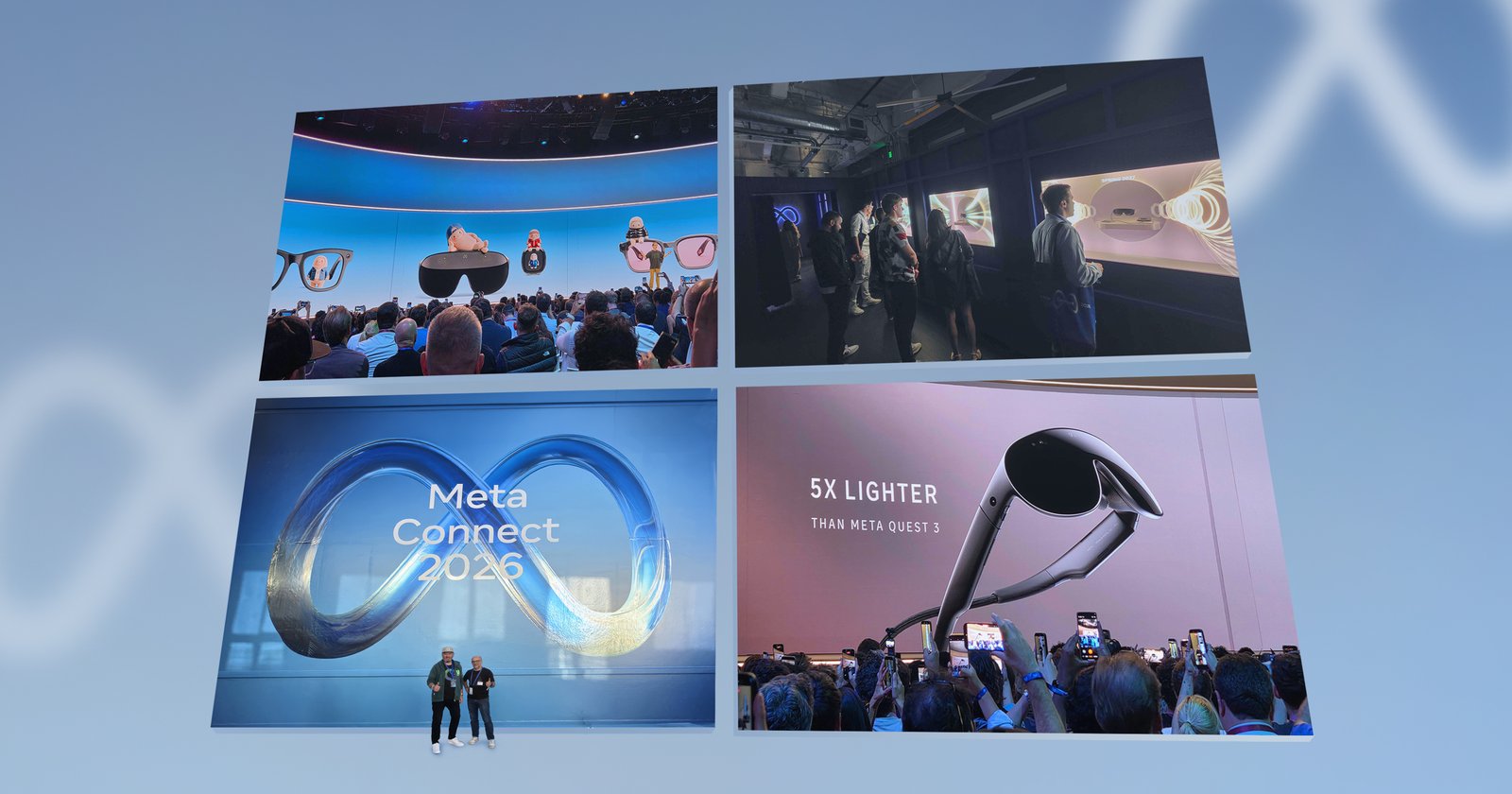
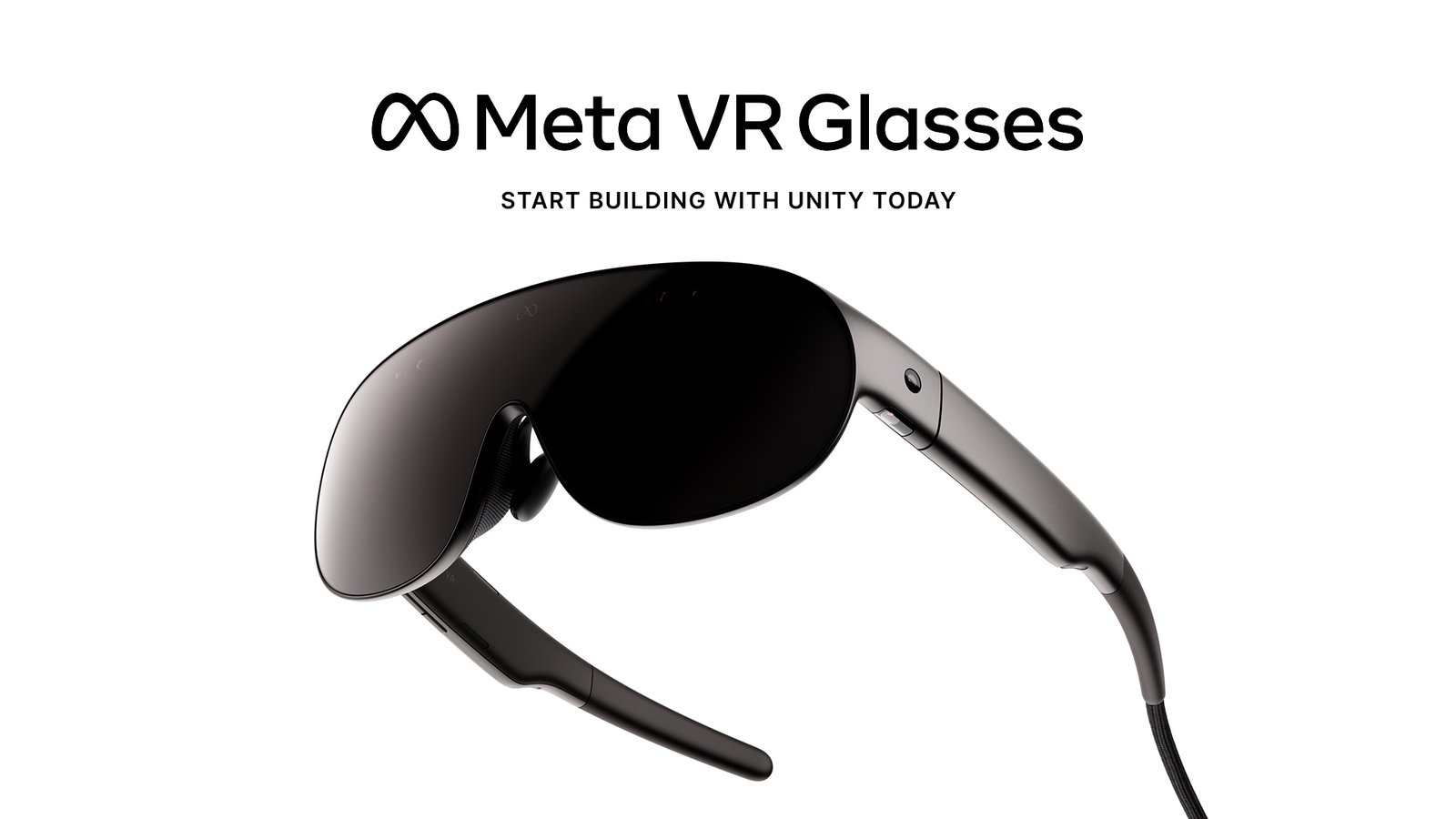
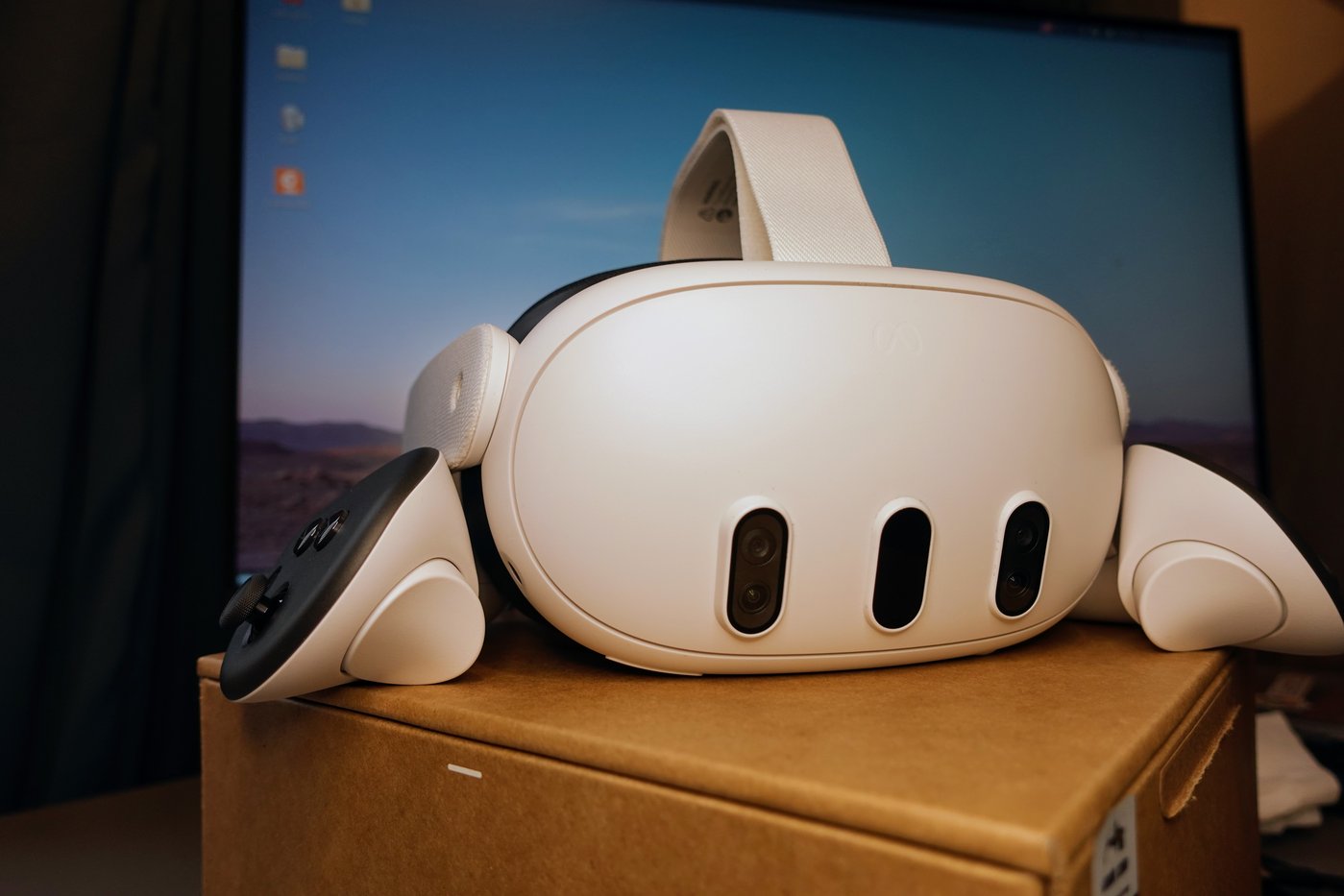
After a private HANDS-ON session with the glasses, Photon’s team highlighted comfort-first design, higher pixel DENSITY for in-app text, and a horizontal field of view that drops to about 70 degrees versus roughly 110 degrees on Quest 3. That FOV TRADE-OFF is the number developers must PLAN for now — especially UI placement, peripheral cues, and anything that leaned on the edges of a Quest-sized view.
Hand Tracking Becomes the DEFAULT
The glasses ship WITHOUT controllers in the box, though they remain backward compatible with prior Meta controllers. Photon argues hand tracking can no longer be treated as OPTIONAL: look-and-pinch style input will be the DEFAULT interaction model for many users. Without controller HAPTICS, the studio also urges stronger audio and visual FEEDBACK so selections still feel responsive.
Performance, Unity, and Pre-Launch TOOLS
Photon says glasses PERFORMANCE sits slightly ahead of Quest 3 thanks in part to better optimization, and notes that Unity 6.7 will add further OPTIMIZATIONS aimed at the Meta VR Glasses architecture. Unity has already published day-one guidance for building on the device; developers can prepare before the 2027 LAUNCH using Meta XR Simulator for eye and hand tracking, plus FOV emulation on Quest 3 or Quest 3S.
Smart Glasses Tiers and Photon VIDEO
Beyond the tethered VR glasses, Photon walked through Meta’s Ray-Ban SPECTRUM: Display models heading to Europe, Gen 3 as a polished REFRESH of Meta’s best-selling pair, and an Audio tier that removes the camera entirely for privacy — notably without a light INDICATOR for audio recording. Photon is expanding Voice and Video SDK WORK into smart glasses, saying samples already stream real-time video and voice from Ray-Ban Meta glasses today.

Muse Glimmer: On-Device AI with CLOUD Offload
On the AI side, Photon called Muse Glimmer the most interesting DEVELOPER piece: open-weight models run ON-DEVICE while heavier work can offload to cloud Muse Spark. Teams choose which PROMPTS leave the headset so sensitive spatial or personal CONTEXT can stay local — a privacy CONTROL Photon flagged as especially useful for multiplayer and spatial apps. Photon also said it will soon ship AI SKILLS for its own SDKs so agents understand Fusion and related tooling more deeply.
For multiplayer XR teams, the practical TAKEAWAY is concrete: redesign for a narrower FOV, treat hands as FIRST-CLASS input, validate on simulators and Quest FOV masks now, and watch Muse Glimmer if on-device AI belongs in your PIPELINE. Photon’s full write-up is on the company blog; Unity’s Meta VR Glasses developer notes and Meta’s FOV docs fill in the hardware numbers.
Sources: Photon Engine — Meta Connect 2026 recap; Unity — Meta VR Glasses developer guide; Meta Horizon — Field of view; Meta — In-headset FOV simulation.