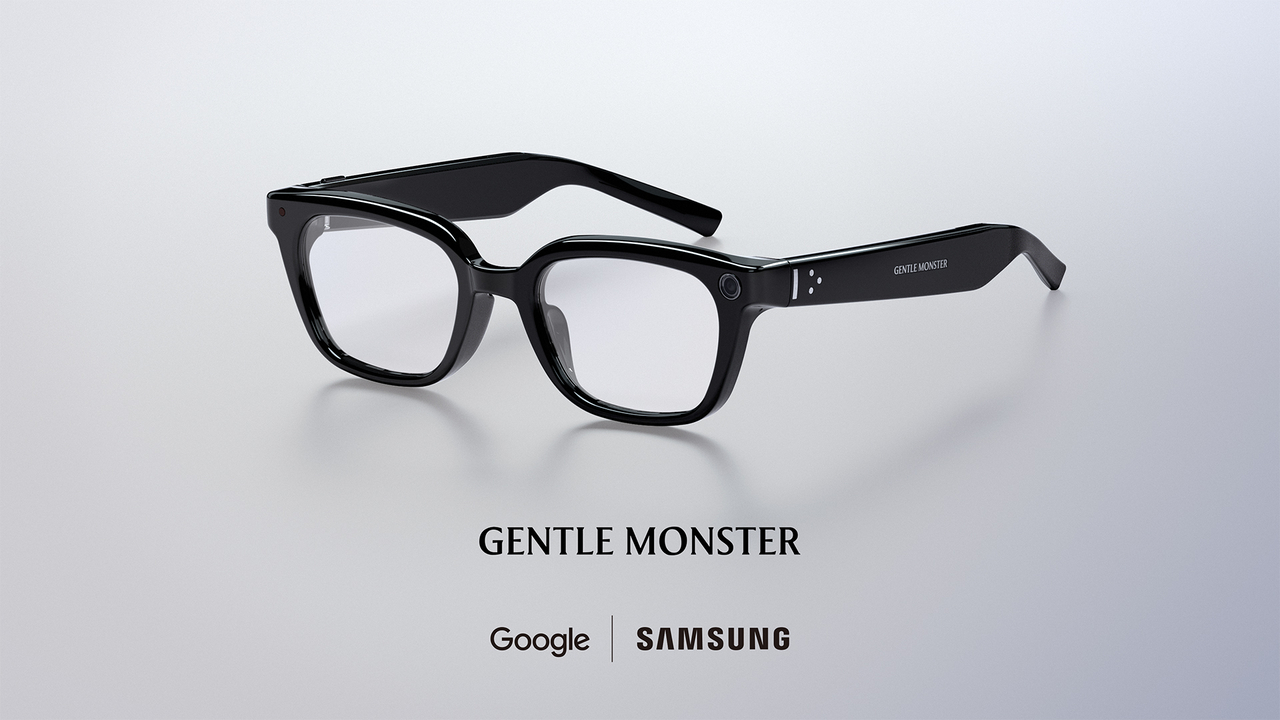
Samsung’s INTELLIGENT EYEWEAR now has a reported NOVEMBER launch window, according to The Korea Herald, which says a Samsung Electronics official CONFIRMED the month. That update sits on top of deeper FCC paperwork: ELEVEN frame models under two families and a 6 GHZ Wi-Fi 6E radio with client-to-client very-low-power mode, per VR.org’s analysis of grants dated September 27.
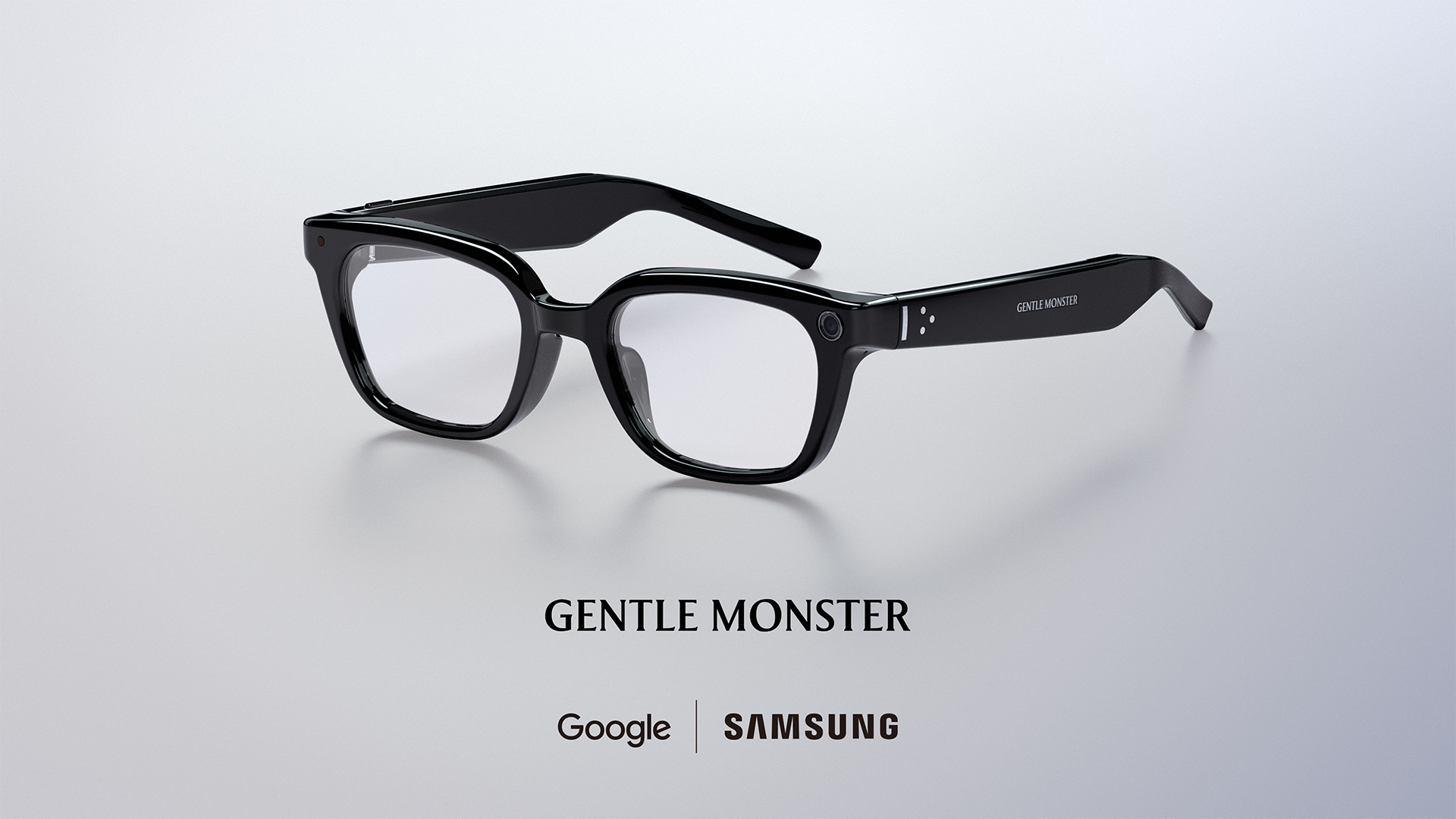
The product remains DISPLAY-LESS. A camera and microphones CAPTURE what the wearer sees and hears into Google’s GEMINI stack through a connected Galaxy phone, with replies coming back through the glasses’ speakers. Pricing is still TBA. Samsung is pitching WEIGHT as a differentiator—”lighter than most AI glasses”—while local reports cited by the Herald aim for up to 5 grams under Meta’s 51-gram Ray-Ban Meta base. Privacy indicators are part of the brief: LEDS inside and outside the frame mark recording, and the camera is said to DISABLE if the external light is obscured.
Counterpoint Research figures in the Herald story show why the timing MATTERS. Global AI-glasses shipments jumped 263 percent on-year in the first half of 2026, display-less models were 96 percent of that mix, and META held 94 PERCENT of the display-less segment. Samsung is entering that market with Android XR glasses built alongside Google, Gentle Monster, and Warby Parker.

The FCC side is more GRANULAR than earlier fall coverage. Two grants dated SEPTEMBER 27 cover SM-O200P plus four variants and SM-O200J plus five—eleven SKUs whose circuit boards MATCH within each family while the front frames differ. Labels list VIETNAM-BUILT production. The radio is Bluetooth plus Wi-Fi 6E across 2.4, 5, and 6 GHZ, with channels up to 160 MHz on the upper bands. In very-low-power mode, Samsung attests the glasses will allow CLIENT-TO-CLIENT communications—useful for the company’s split-compute design that keeps heavy work on the phone. A temple GRIP SENSOR steps radios down when the frames leave the head. Photos and the user manual remain under 180-day confidentiality until March 26, 2027.
What buyers still LACK: a firm day, a price, and a public third-party app path. Google’s Play Store language still limits distribution to immersive XR headsets and wired XR glasses, so these frames are neither. Treat November as an official-to-Herald CLAIM, not a staged Unpacked date—but the combination of a month, eleven CLEARED frames, and a 6 GHz client link is a sharper picture than “fall, no day.” Secondary coverage at Android Authority tracks the same November report.
Sources: Korea Herald; VR.org FCC analysis; Android Authority.