Britain’s smart-glasses fight now has TWO SIDES that BOTH claim to speak for VULNERABLE PEOPLE. On Wednesday the BBC reported that sight-loss CHARITIES want venues to RETHINK bans on camera glasses, because blind and partially sighted users RELY on them for DAILY tasks. Two days EARLIER, a UK Parliament petition to BAN the SALE of those SAME glasses passed 10,000 signatures, which means the GOVERNMENT now has to RESPOND in WRITING.

What the charities are asking for
The BBC London report centers on Darren Paskell, who is visually impaired, works for the charity Guide Dogs, and has used smart glasses for 18 MONTHS to SORT post and READ labels. He uses them at HOME but wants to use them more in PUBLIC. He told the BBC that being TOLD he cannot wear them is “a little bit like an organisation saying: ‘As a blind person you’re not welcome coming into this place’.”
Khadija Raza, policy lead on accessibility at the Royal National Institute of Blind People (RNIB), WARNED that bans could leave blind and partially sighted people feeling “less safe and ultimately excluded.” Rachel Taylor of Guide Dogs went FURTHER, asking BUSINESSES to treat AI wearables as a “reasonable adjustment.” That phrase is NOT casual. Under section 20 of the Equality Act 2010, a reasonable adjustment is a LEGAL DUTY that service PROVIDERS owe DISABLED people. The charities are asking venues to treat the glasses as something they may have to ALLOW, not as a PERK.
Meta’s own accessibility page BACKS UP the USE case. It says the glasses can connect hands-free to sighted VOLUNTEERS through Be My Eyes in 21 MARKETS, and that Meta AI can READ text and DESCRIBE surroundings. Be My Eyes says a volunteer sees ONLY what the glasses’ left-side camera captures during an ACTIVE call.
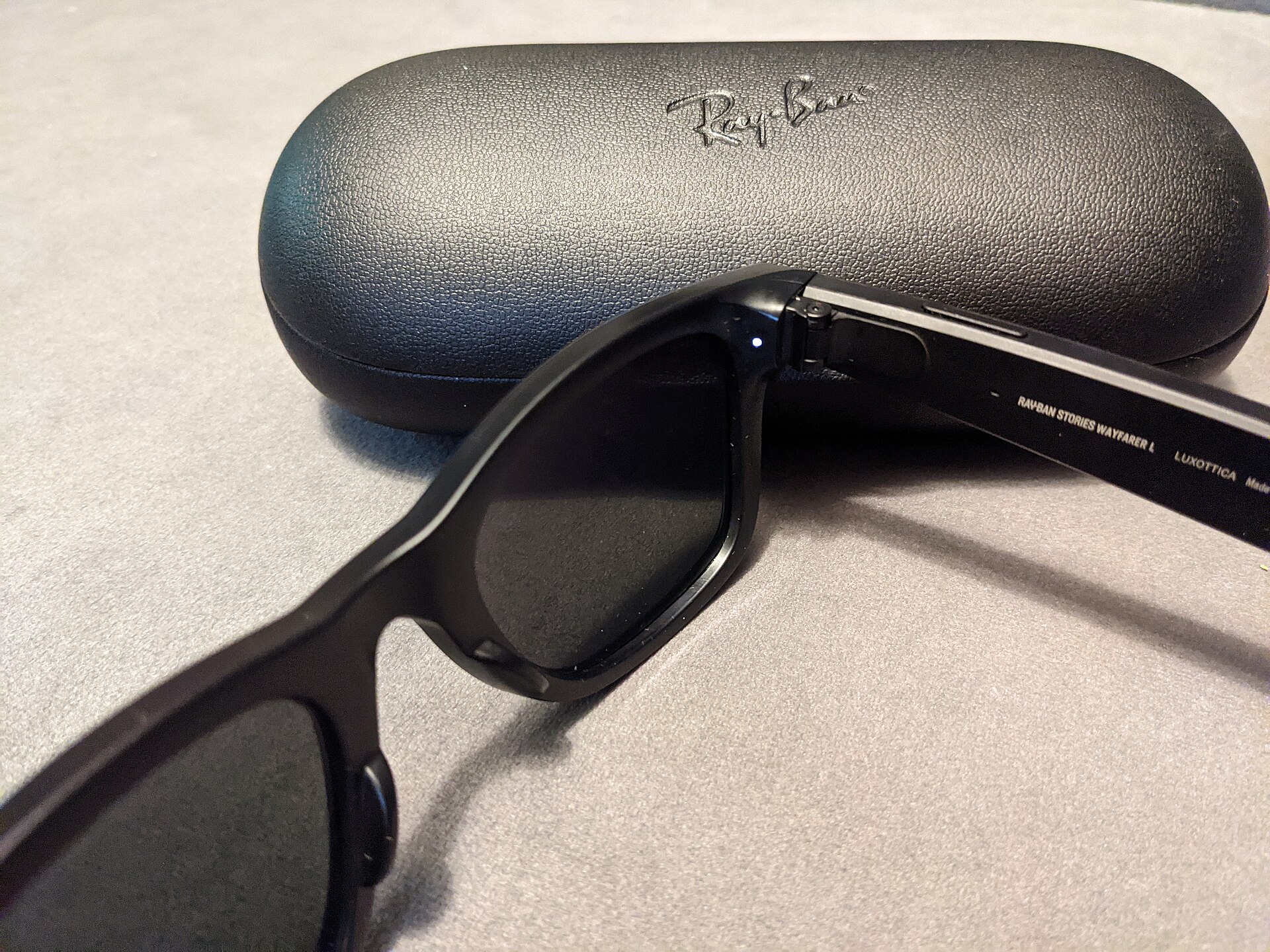
Smart glasses, nicknamed "pervert glasses", have been banned in a number of public spaces, including pubs. However, charities say the glasses are becoming "vital" for those with sight loss, and are calling for venues to reconsider bans.
— BBC London (@BBCLondonNews) October 7, 2026
The other side has a deadline
The petition, created by Guy Holder, asks the government to “immediately ban the sale and promotion of glasses that contain recording capability.” It OPENED on June 9, CROSSED the 10,000 threshold on October 5, and showed 10,085 signatures when Metaverse Watcher checked the OFFICIAL count on Wednesday evening. It CLOSES on December 9. To be CONSIDERED for DEBATE in Parliament, it would NEED 100,000.
The campaign behind it, Stop Smart Glasses, was BUILT by Liz Hunter and runs a RETAILER database searchable by UK postcode or Irish town. Its FAQ goes BEYOND the PETITION: it also wants the government to PROHIBIT wearing or using the devices in public places. Hunter told the BBC that “consent is supposedly an LED light in a pair of glasses. That is not consent.” Metaverse Watcher covered the activist group Everyone Hates Elon and its fake Tube notices in September; TfL told the BBC those were REMOVED as soon as they were found.
Where the government stands
The Department for Science, Innovation and Technology has ALREADY given a PREVIEW of its answer. A spokesperson told the BBC the government has “no current plans” for specific legislation on filming in public with smart glasses, because EXISTING CRIMINAL offences ALREADY cover HARMFUL conduct. A formal petition response could REPEAT that line, but it now has to ADDRESS a sales ban DIRECTLY.
Why it matters
SCALE makes this HARDER to ignore. EssilorLuxottica’s full-year 2025 results put AI-glasses SALES, including Ray-Ban Meta and Oakley Meta, at MORE than 7 million UNITS. Europe is also MOVING: Norway is planning a TEMPORARY ban in some PUBLIC places, and retailer Hans Anders paused sales in the Netherlands and Belgium.
The UK debate shows the PROBLEM a BLANKET rule faces. A ban on cameras in glasses would ALSO REMOVE the camera that READS a BLIND user’s post. Neither the petition text nor the campaign FAQ, as published, offers an EXEMPTION for disabled users. If the government’s response or a venue’s policy draws a LINE between RECORDING and ASSISTIVE use, that line will matter MORE to MAKERS than ANY single BAN.
Sources: BBC News (BBC London), October 7; UK Parliament petition 769206, official signature count checked October 7; Stop Smart Glasses website and FAQ; Equality Act 2010, section 20; Meta AI glasses accessibility page; Be My Eyes help center; EssilorLuxottica Q4/FY 2025 release, February 11; BBC London on X.