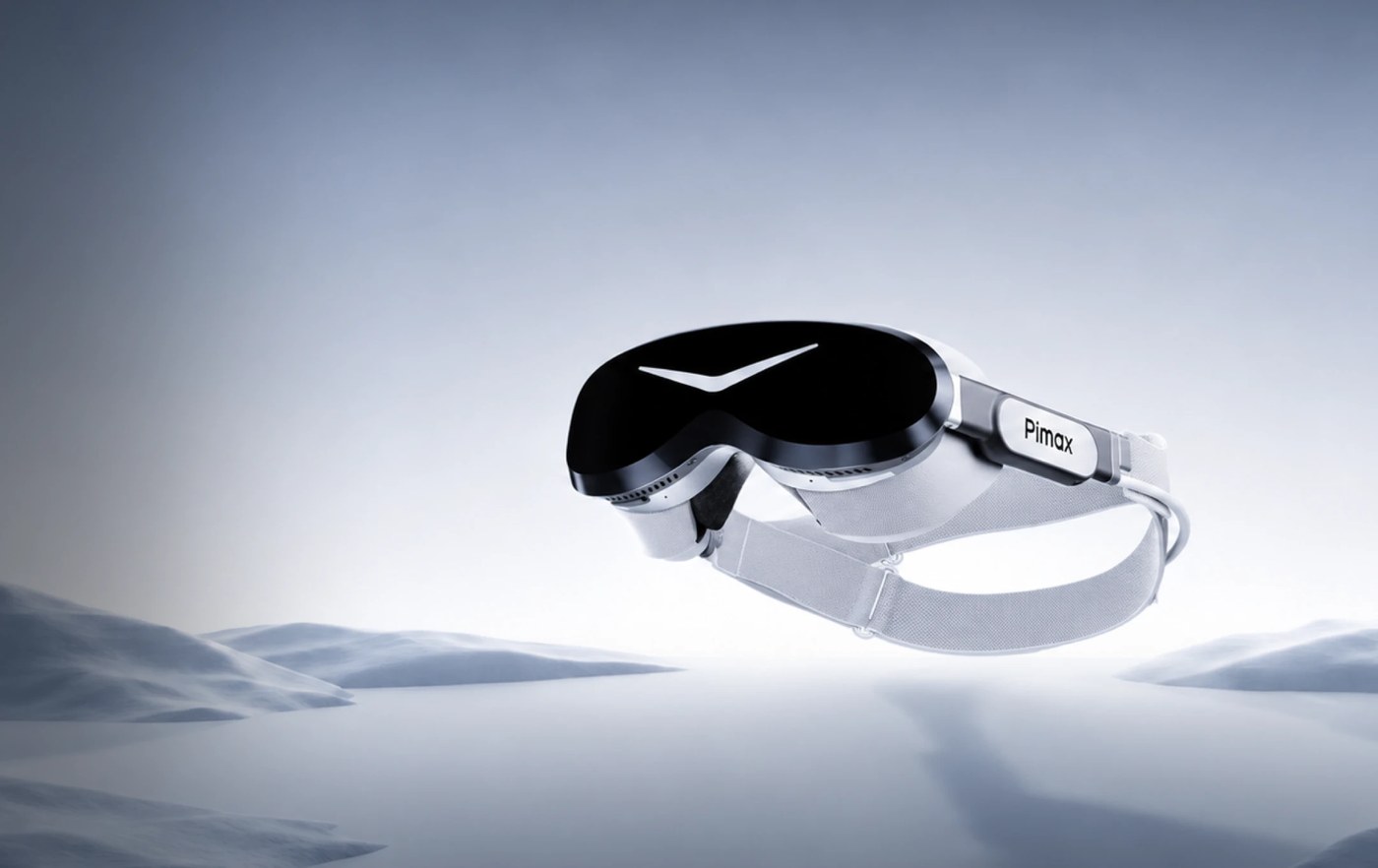
PC Gamer’s September 1 review of the Pimax Dream Air lands on a clean split: best-in-class Micro-OLED visuals and ski-goggle comfort, undercut by SLAM controller tracking that still feels a generation behind. Score: 75/100. Managing editor Jacob Ridley calls it Pimax’s slickest headset yet — and says he still reaches for a $599 Quest 3 when the game needs accurate hands.
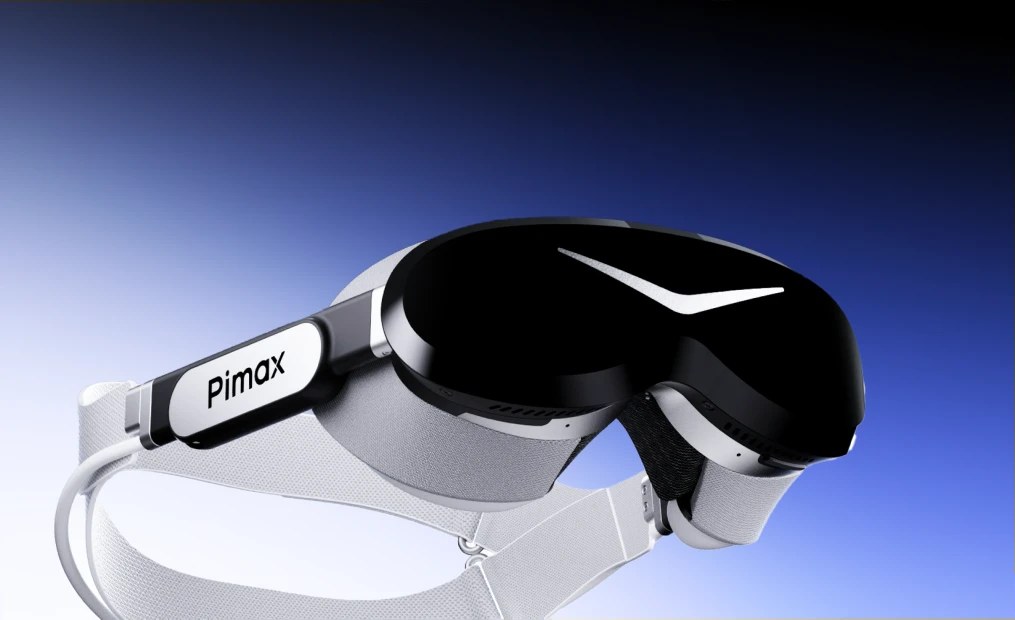
That verdict matters because September’s PCVR calendar is already loud. Valve’s Steam Frame is circling a mid-month reservation window, Meta Connect is September 23–24, and the Dream Air is the one shipping Micro-OLED headset you can actually buy today without waiting on a lottery.
What Ridley measured
The review unit is the SLAM (inside-out) SKU. Specs as listed in PC Gamer’s table:
- Twin Sony Micro-OLED panels at 3840 × 3552 per eye (about 27 million pixels combined)
- ConcaveView pancake optics, ~110° horizontal FOV
- Pimax’s listed frontbox weight: ~170 g without cable; Ridley’s scale with cable attached: 280 g
- Eye tracking for dynamic foveated rendering / Quad Views / Center Rendering in Pimax Play
- List price: $2,299 SLAM (controllers in box) or $1,999 Lighthouse (headset only)
Binocular overlap is the quiet win. Using WimFOV, Ridley measured 86% on the default profile — same as Crystal Super Micro-OLED, well clear of Quest 3’s 69%. Wide-FOV mode stretches the view and drops overlap to 77%. He prefers the default for all-day comfort and says he did not need glasses inserts even without room for frames inside the shell.
The tracking tax
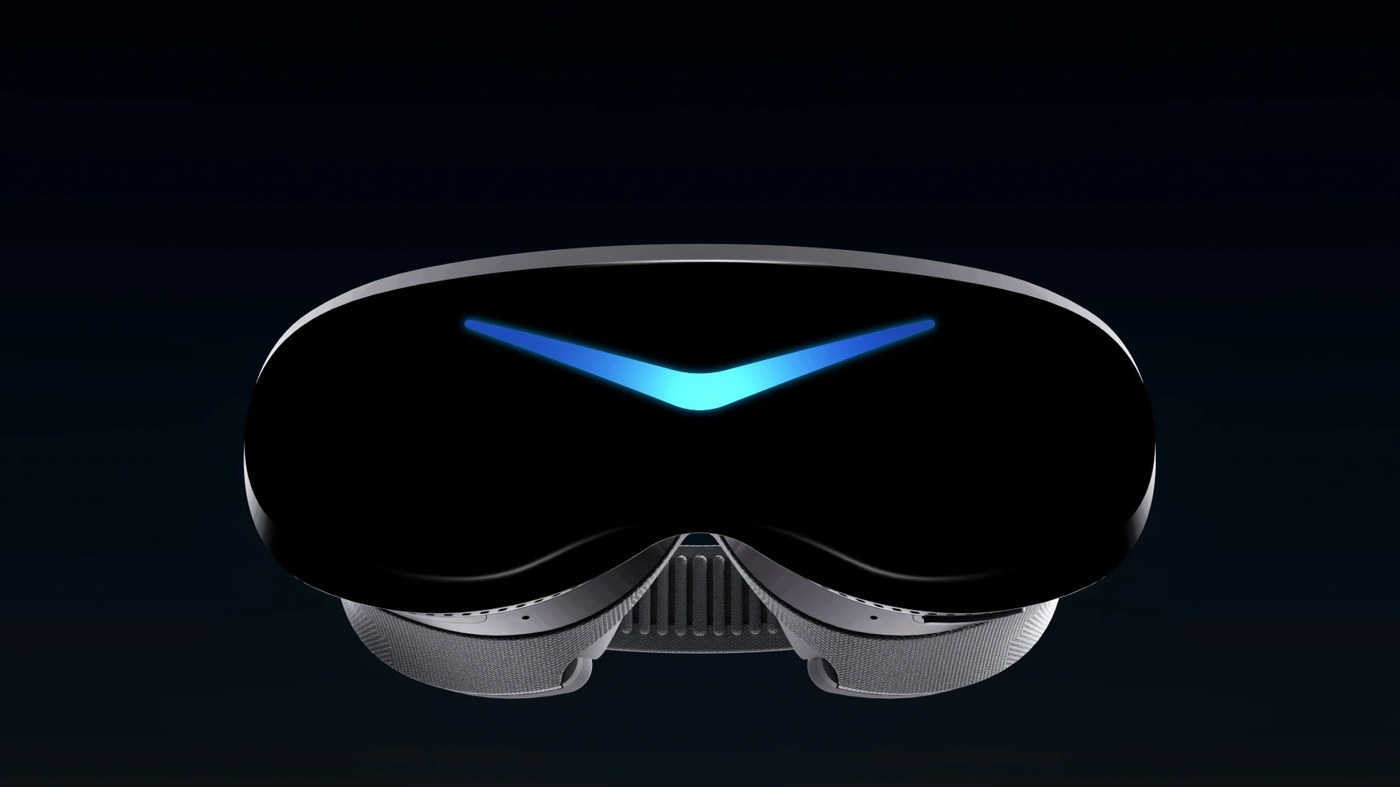
The controllers are the same halo-ring units shipped with Crystal Super. Paired with four onboard SLAM cameras, Ridley found tracking “consistently inconsistent” at the extremes — hands overhead, holsters at the waist, cliff climbs in Blade and Sorcery, serving in Eleven Table Tennis. Room boundaries also needed resetting after most pickup/put-down cycles. His buy/don’t-buy line is blunt: buy for sim racing and seated sims; skip if you want fast shooters or VR sports.
SimRacingCockpit’s SLAM-focused write-up makes the SKU math clearer for people who already own base stations: Lighthouse at $1,999 plus Valve base stations is still more cash than SLAM’s $2,299 bundle, but only if you are starting from zero. If Index gear is already on the desk, Lighthouse is the cheaper path and keeps SteamVR tracker support.
The PC bill is not optional
Native resolution is punishing. Ridley reports even an RTX 5080 needed render-scale cuts, sharpening, and Center Rendering to hold 72–90 Hz in demanding titles. Pimax Play exposes FSR/NIS upscaling, dynamic foveated rendering, and per-game Quad Views — useful levers, not a free lunch. The display cable is a balanced dual-exit run into a ~4 m breakout that wants DisplayPort + USB 3.0 + wall power. No 3.5 mm jack; strap speakers only.
Official product pages still pitch the same core numbers Pimax has used since the Dream Air shipping announcement: sub-170 g frontbox, 7680 × 3552 Micro-OLED, ConcaveView pancakes, and eye-tracked DFR. See Pimax’s Dream Air page and the company’s shipping blog.
Bottom line
PC Gamer’s 75 is not a shrug. It is a premium Micro-OLED headset that finally feels light enough for multi-hour sessions, priced like enterprise kit, with tracking that still makes a mass-market Quest look more finished for active play. In a September where Steam Frame and Connect will soak the oxygen, Dream Air is the reminder that PCVR’s high end is shipping now — if your GPU and patience for Pimax Play settings can keep up.
Sources: PC Gamer, SimRacingCockpit, Pimax.