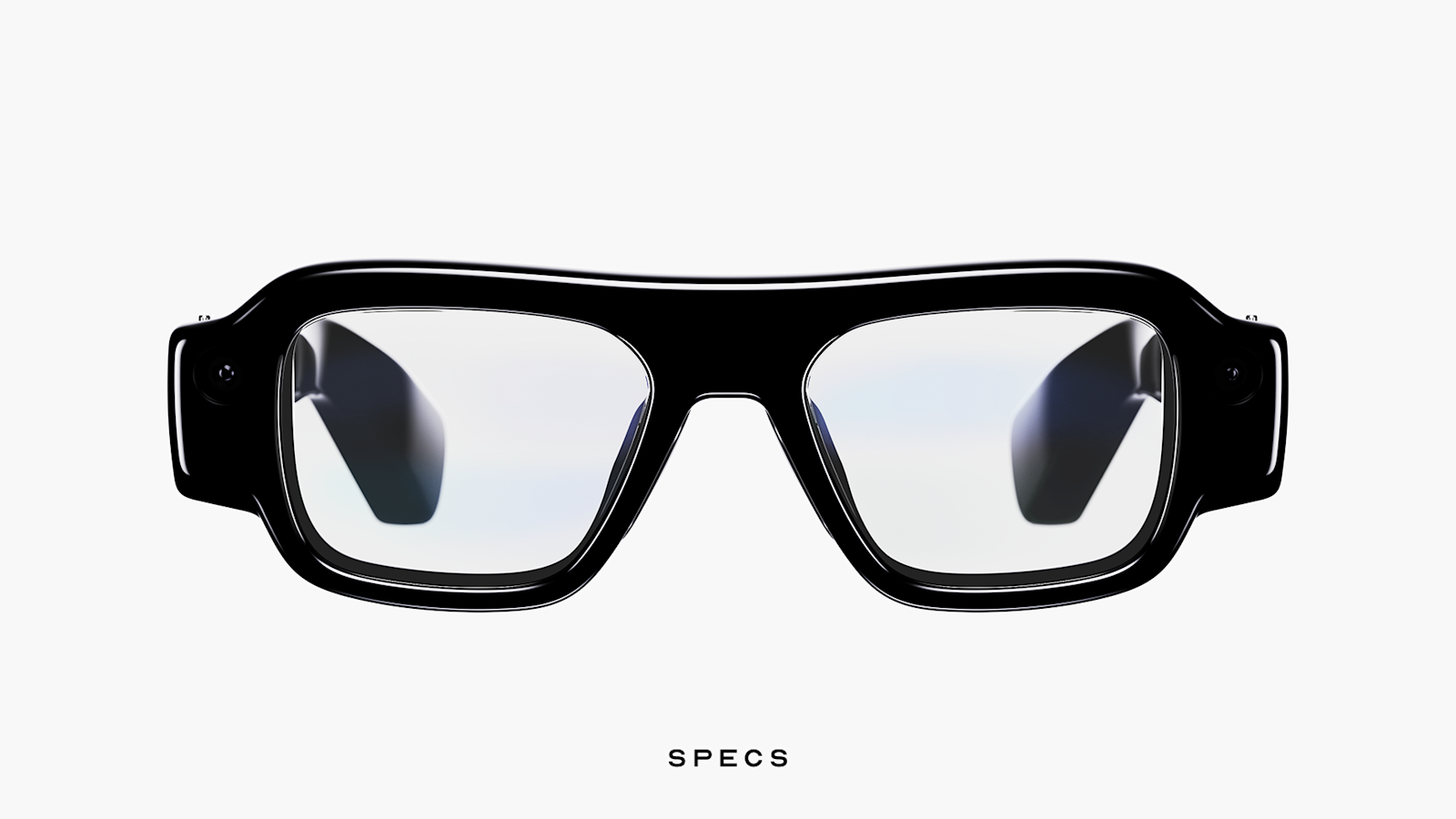
Snap SPECS, the company’s $2,195 standalone augmented reality glasses, have now been tested on a public street walk for the first time by a journalist. In an exclusive published October 23, 2026, Good VR’s Ian Hamilton wore a pre-production pair from the Pulitzer Fountain to the Central Park Zoo in New York, using turn-by-turn navigation, Snapchat video calling and finger-snap photography along the way. His conclusion is a useful data point for anyone weighing AR glasses against the coming wave of VR glasses: SPECS made the strongest case yet for AR OUTDOORS, and a much weaker one on the couch.
What the Central Park demo showed
According to Hamilton’s report, the walk exercised three features Snap has been promoting since CEO Evan Spiegel’s stage demo in Los Angeles:
- Navigation. A bright green compass-style arrow and a mini map sat just below his line of sight. A slight downward head tilt brought them into view, with a countdown of more than 200 meters to the destination.
- Video calling. From the zoo he placed a Snapchat call to a phone. The caller saw the feed from the outward-facing camera on the glasses, while a large vertical window inside SPECS showed the other person.
- Hands-free photos. Snapping his fingers captured photos in Snapchat during a second call on the walk back.
Hamilton contrasted the experience with his walk through the same park last year in Meta Ray-Ban Display, whose single-eye display he found tiring. Stereo AR across both eyes, he wrote, was the difference. He also noted the absence of the self-conscious feeling he gets wearing Apple Vision Pro or Steam Frame in public.
The caveats: indoor viewing and battery
The same report is blunt about the limits. Watching YouTube and HBO Max in the SPECS browser indoors did not compare well with a TV, a laptop or a VR headset, because see-through optics render content more faintly than the camera passthrough used by VR devices. That matters, because Snap markets a “115-inch cinema screen” viewing mode as a headline use case.
Battery is the other open question. Snap rates SPECS at up to FOUR hours of mixed use per charge, with the included case adding four more charges for up to 20 hours in total. Hamilton carried a 25,000 mAh power bank during the demo and expects many owners will run the magnetic charging cable to external power for long sessions. Snap’s separate USB-C display cable for streaming from a PC, phone or console has no ship date yet. Snap also told him the unit was NOT final hardware.
SPECS by the numbers
| Spec | Snap SPECS (official) |
|---|---|
| Price | $2,195 ($200 refundable deposit) |
| Weight | 132 g (47 mm) / 136 g (52 mm) |
| Display | LCoS with waveguides, 51° field of view |
| Latency | 7 ms motion-to-photon |
| Compute | Two Snapdragon processors, no puck or tether |
| Battery | Up to 4 hours; up to 20 hours with case |
| Connectivity | Wi-Fi, or Wi-Fi plus a 5G charging case (Verizon plan) |
| Prescriptions | Inserts from -8 to +2 diopters (single vision) |
| Launch markets | United States, United Kingdom, France |
The clock on “this fall”
Snap has said since its June 16 unveiling that SPECS will begin shipping this fall, and its September newsroom update repeated “later this fall.” As Hamilton points out, astronomical fall ends on DECEMBER 21, 2026. With pre-production units still being demoed in late October, buyers who placed deposits should watch for firm delivery dates over the next eight weeks. Snap has also been running an in-person SPECS First Look at Westfield Century City in Los Angeles since October 1, and recently brought on Robert Downey Jr. to help shape SPECS experiences, as we reported.
Why it matters: AR glasses versus VR glasses
SPECS will land in the same buying season as heavy marketing for Meta VR Glasses, which are priced at $1,300 and due in spring 2027. That puts SPECS close to $900 above Meta’s device, and the two products are aimed at different jobs. Meta’s design uses VR optics with passthrough, a wider field of view and a tethered compute pack, which favors movies, games and seated work. SPECS keeps all the compute in the frame and uses true see-through optics, which favors walking, navigating and talking to people while the display stays out of the way.
The Central Park walk is the first independent evidence that Snap’s bet works where it was meant to: outdoors, in motion, in short bursts. The open questions are the ones that decide whether early buyers keep wearing them, namely real-world battery life, final display quality and how much software is ready at launch. Earlier hands-on reports raised similar points, including our look at the one-lens-at-a-time limit and investor pressure on SPECS pricing.
For a broader comparison of what is available now, see our guide to the best smart glasses of 2026.
Sources: Good VR (Ian Hamilton), October 23, 2026; Snap Inc., June 16, 2026; Snap Newsroom, September 16, 2026; SPECS.com.