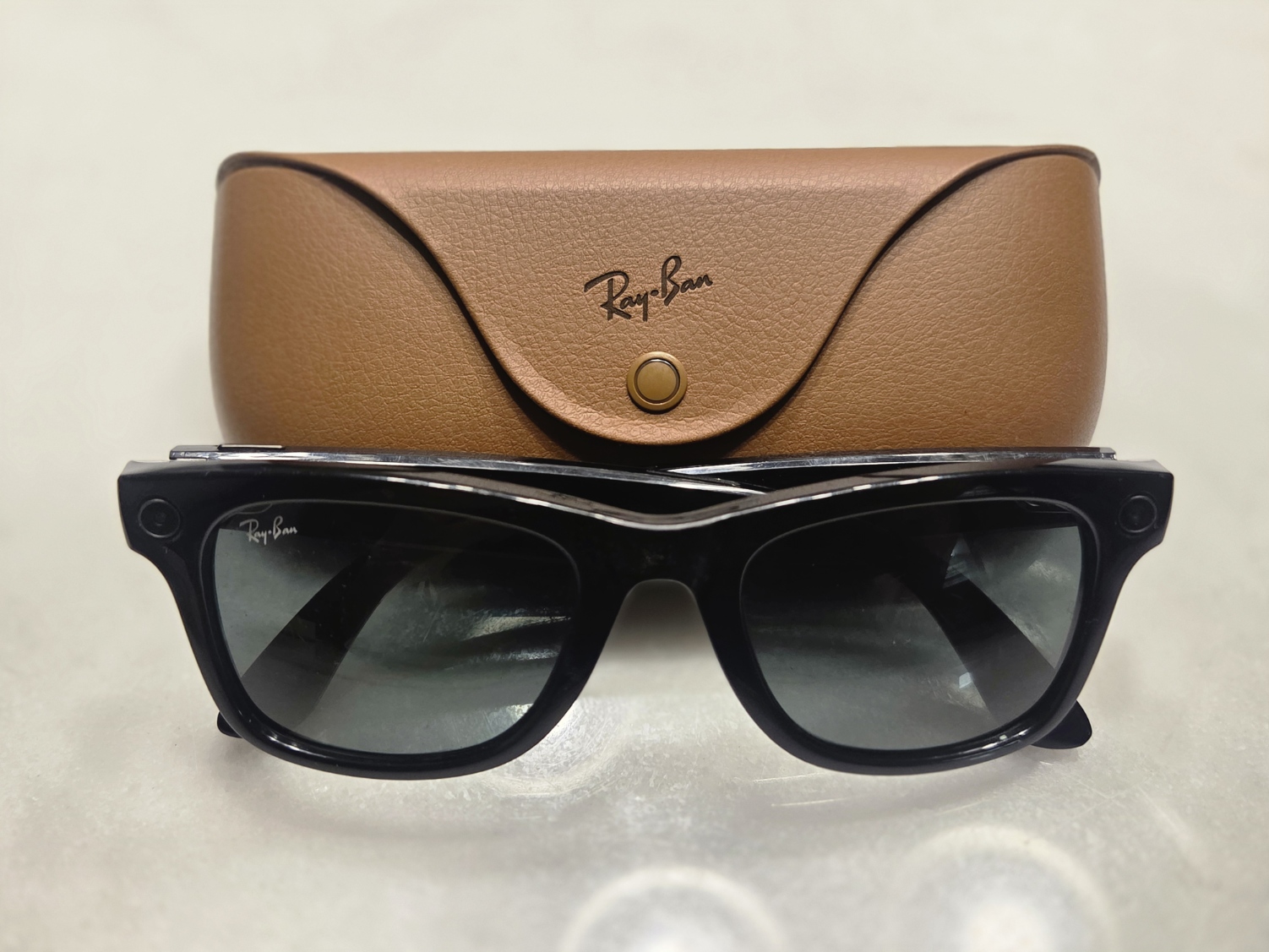
As META gears up for CONNECT on SEPTEMBER 23–24, a growing PRIVACY fight over its RAY-BAN META AI GLASSES is hardening into federal LITIGATION. The Los Angeles Times reports that more than 70 people who bought, used, or were recorded by the eyewear have SUED the company, alleging INTIMATE and SENSITIVE footage reached overseas REVIEWERS paid to LABEL data for META AI.
What PLAINTIFFS Allege
According to an amended CLASS ACTION pending in the U.S. District Court for the Northern District of California, contractors in KENYA who help TRAIN Meta’s systems reviewed material that allegedly included people UNDRESSING, using the BATHROOM, having SEX, and entering PASSWORDS. Some users say they did NOT KNOW the camera-equipped glasses were capturing those moments.
One California plaintiff, identified as PL18, claims the glasses kept RECORDING after he set them on a BATHROOM COUNTER. Photos of family members bathing and using the bathroom later appeared in his gallery—footage “no one in his household intended to take,” the complaint states, as quoted by the Times. Another wearer, PL01 in Los Angeles, allegedly used META AI during an INTIMATE bedroom moment while also relying on the glasses for music and everyday questions.
The LAWSUIT—described as roughly 230 pages—accuses Meta of FRAUD, FALSE ADVERTISING, and related consumer protection violations across multiple states. Attorney Tina Wolfson of Ahdoot & Wolfson told the Times the case also targets nonconsensual SURVEILLANCE of people’s lives and exploitation of image and likeness. “People who bought these glasses and thought that they were cool gadgets weren’t aware that every time they activated AI, video was sent to train Meta’s AI,” Wolfson said.

BYSTANDERS, Accidental AI TRIGGERS, and Sama Reporting
The complaint leans on February investigative reporting by Swedish newspapers Svenska Dagbladet and Göteborgs-Posten, which interviewed workers at Meta subcontractor SAMA and former Meta staff. Some Kenyan reviewers described seeing people on toilets or undressing, and said faces sometimes appeared even when they were supposed to be BLURRED.
Plaintiffs argue that saying “HEY META,” or even ACCIDENTALLY triggering the assistant while adjusting the frames, can CAPTURE video and audio that travels to Meta’s SERVERS, gets routed OVERSEAS, and is reviewed by low-paid human workers who LABEL moments for AI models. California resident Steven Beltran alleges the gadget would “falsely activate twice a day.”
An amended complaint covered by Futurism expands the proposed class to BYSTANDERS—people who never bought the glasses but say they were recorded without informed CONSENT when someone nearby used AI features. Counsel argue “millions” may be affected, including MINORS, and that bystanders had no chance to consent to having faces, bodies, voices, and personal information “captured, reviewed, labeled, and embedded into Meta’s AI systems.” Co-lead counsel Ryan Clarkson called Meta’s “designed for privacy” marketing a LIE sold to millions of consumers.
PRIVACY Marketing Versus the RECORDING LIGHT Gap
Meta has marketed the glasses as privacy-minded hardware with a visible LIGHT that signals when the device is RECORDING. Company materials also say camera-based META AI queries—asking what landmark or plant is in view—activate the camera so the assistant can answer, while those images are not saved to a user’s photo gallery and faces or license plates are blurred.
Biometric Update notes a sharper tension: on newer models, Ray-Ban FAQs indicate the LED does NOT illuminate for some camera-based AI features, because those frames are treated as AI input rather than gallery recordings. That distinction matters in court and on the street. Meta has DISABLED cameras on thousands of devices after detecting LED TAMPERING, yet critics say a blinker cannot answer whether imagery will be ANALYZED, transmitted, human-reviewed, or used to improve models—especially when the light stays dark during certain AI camera uses.

Meta’s RESPONSE and CONNECT Timing
Meta disputes the allegations and says it will fight them. A spokesperson told the Times that if you use META AI, the company “may review that data to help improve our products and people’s experiences,” adding that Meta takes steps to FILTER identifying information and protect privacy—language echoed in Meta’s statement to Futurism.
Separately, the Times notes Meta has explored a controversial NAMETAG-style recognition idea; CTO Andrew Bosworth discussed name-recall use cases on a July podcast, while the ACLU and more than 70 groups urged Meta in April not to ship facial recognition features. An Illinois suit alleges Facebook and Instagram photos were used to train related biometric tools. Meta says it has been transparent about social data for AI, has NOT released NameTag, and is “not building a universal face database.”
None of those claims have been proven in court. Still, the timing is unmistakable: Meta is expected to unveil its next wearables lineup on SEPTEMBER 23 at CONNECT in Menlo Park, with the conference running through SEPTEMBER 24. Against that countdown, the consolidated California PRIVACY case—and the bystander expansion—puts INTIMATE-CAPTURE allegations and AI TRAINING pipelines at the center of the industry’s biggest fall showcase.
Sources: Los Angeles Times (Sep 18, 2026); Futurism (amended bystander class); Biometric Update (LED / AI camera context).