Viture’s co-founders just launched a SEPARATE brand for camera-FREE AI glasses. Vonder opened the curtain on September 22: acetate frames under THIRTY grams, NO display, NO always-on recorder — and a Personal Memory Graph that keeps TEXT, not audio.
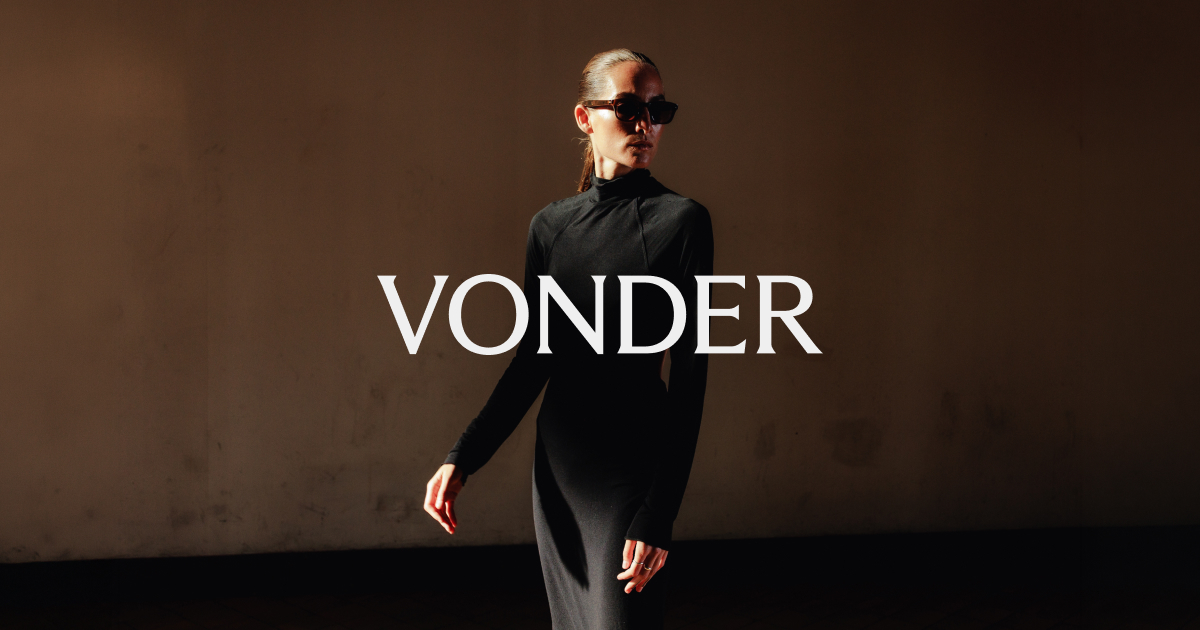
The company says PRE-ORDERS open September 28 at 6:00 a.m. PT on VONDER.ai and BestBuy.com, with pricing from $299 and SHIPPING beginning in November. PREMIUM acetate options start at $399. Essilor lens options cover prescription, Transitions, gradient tint, and progressive cuts. The brand also takes its first public booth at SILMO Paris, September 25–28.
Hardware That Looks Like Glasses
Six frame shapes — Antwerp, Paris, Basel, Oslo, Palermo, Tribeca — across THREE colorways sit at the CENTER of the pitch. Acetate construction, under 30 grams, and full PRESCRIPTION compatibility are the non-negotiables. Android Central’s Nicholas Sutrich, after a Palo Alto hands-on, called them the LIGHTEST smart glasses he has worn to DATE — roughly the same mass as ordinary prescription frames, and about FORTY percent lighter than Ray-Ban Meta pairs in Tom’s Guide’s comparison.
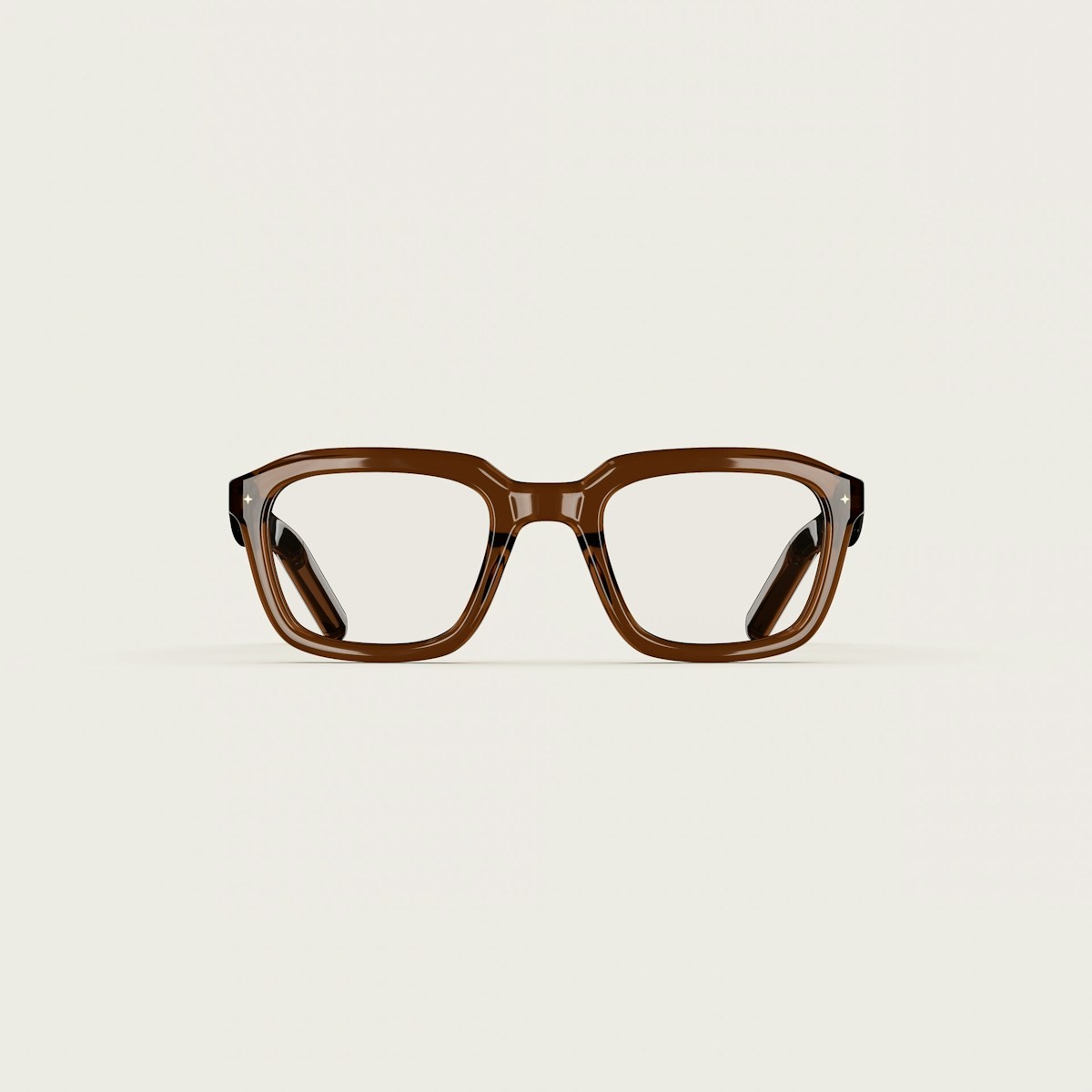
Company materials list OVER sixteen hours of battery life, an IP54 rating, and a magnetic charge path that can reach about EIGHTY percent in twenty-five minutes. Android Authority and Android Central both report the sixteen-hour claim; Tom’s Guide’s early try-on still framed everyday endurance closer to Meta’s eight-hour class. Retail buyers should treat that as a NUMBER to VERIFY once shipping units land.
Privacy as a Hardware Rule
The STRATEGIC bet is the microphone stack, not a camera. By DEFAULT, bone-conduction sensing is tuned to the WEARER’S voice and discards other voices on-device. Capturing a room requires an EXPLICIT Meeting Mode toggle; a visible LED signals the switch. Audio is transcribed into searchable MEMORIES, then DELETED — “notes, not recordings,” in the founders’ phrasing. Financial-grade encryption and a no-ad-sales stance round out the POLICY claims in the PR Newswire release.

That HARDWARE posture lands one day before Meta Connect, where camera-FREE Luna glasses remain a LEADING rumor. Reuters’ September 22 privacy survey already framed public anxiety around recording eyewear. Vonder is betting buyers will PAY for a pair that never ships a lens camera at all.
Personal Memory Graph and Model Choice
Software centers on the Personal Memory Graph — a living MAP of notes, conversations, and recurring CONTEXT. Wearers can route queries through ChatGPT, Claude, Gemini, or a hybrid Vonder AI mode that COMBINES models. Everyday utilities cover voice notes, reminders, hands-free MUSIC, and calls. Tom’s Guide reports subscription tiers starting at $9.99 per MONTH for all-day memory capture and rising to $99 for the highest AI tier — a cost layer buyers should PRICE into the $299 frame.


Why a Separate Brand Matters
AR Insider frames the move CLEANLY: Viture already leads U.S. video-display glasses shipments per IDC, but session-based DISPLAY product and all-day AI EYEWEAR are different jobs. Co-Founder and Chief Brand Officer Guillaume Hamon — with Rivian and Oura on his resume — is the fashion-and-desire lead. Co-founders Emily Wang and David Jiang handled the Palo Alto press briefings. A waveguide DISPLAY is aspirational later; coding-agent voice control is nearer-term BETA talk, not a launch SKU.
For the smart-glasses race heading into Connect week, Vonder is a concrete SHIPPING bet: Best Buy DISTRIBUTION, a $299 ENTRY, camera-out PRIVACY by DESIGN, and a memory graph that tries to make ambient AI feel PERSONAL rather than surveillant. Whether the sixteen-hour battery and subscription math HOLD is the November test.
Related Coverage
Sources
- PR Newswire — VONDER Launches Intelligent Eyewear (Sep 22, 2026)
- AR Insider — Viture Expands into Intelligent Eyewear with VONDER (Sep 22, 2026)
- Android Authority — Privacy-focused smart glasses debut (Ryan McNeal, Sep 22, 2026)
- Android Central — Vonder AI glasses hands-on (Nicholas Sutrich, Sep 22, 2026)
- Tom’s Guide — Vonder may have solved the ‘pervert glasses’ problem (Mike Prospero, Sep 22, 2026)
- VONDER.ai — official site