Qualcomm used Snapdragon Summit on SEPTEMBER 23 to unveil SNAPDRAGON SOUND ELITE GEN 2 — a hearables platform built for on-device AI agents, audio glasses, and wearables that no longer NEED a phone in the LOOP. PCMag, 9to5Google, HardwareZone, and The Deep View all covered the same Hawaii announcement the same DAY. For Metaverse Watcher readers, this is the SILICON STORY under the next wave of voice-first glasses — and it lands hours before Meta Connect’s keynote.

The chipmaker frames it as its first audio platform that combines Snapdragon Sound with on-device intelligence for AGENTIC EXPERIENCES. In Qualcomm’s release, quoted by The Deep View, XR and wearables SVP Ziad Asghar said research shows “up to 70 PERCENT of users want advanced AI capabilities in their wearable devices.” That demand signal is the whole pitch: wearables that THINK, not just stream music.
What the Silicon Actually Claims
Sound Elite Gen 2 succeeds Snapdragon S7 Gen 1. Across the same-day reports, Qualcomm claims up to DOUBLE the on-device AI capability, up to 40 PERCENT lower power, and a footprint about 30 PERCENT smaller. HardwareZone and PCMag both cite a dedicated eNPU rated up to 128 GOPS — enough, Qualcomm says, to run MULTIPLE intelligent experiences at once without collapsing battery life. Those are VENDOR NUMBERS; they still set the COMPETITIVE BAR.

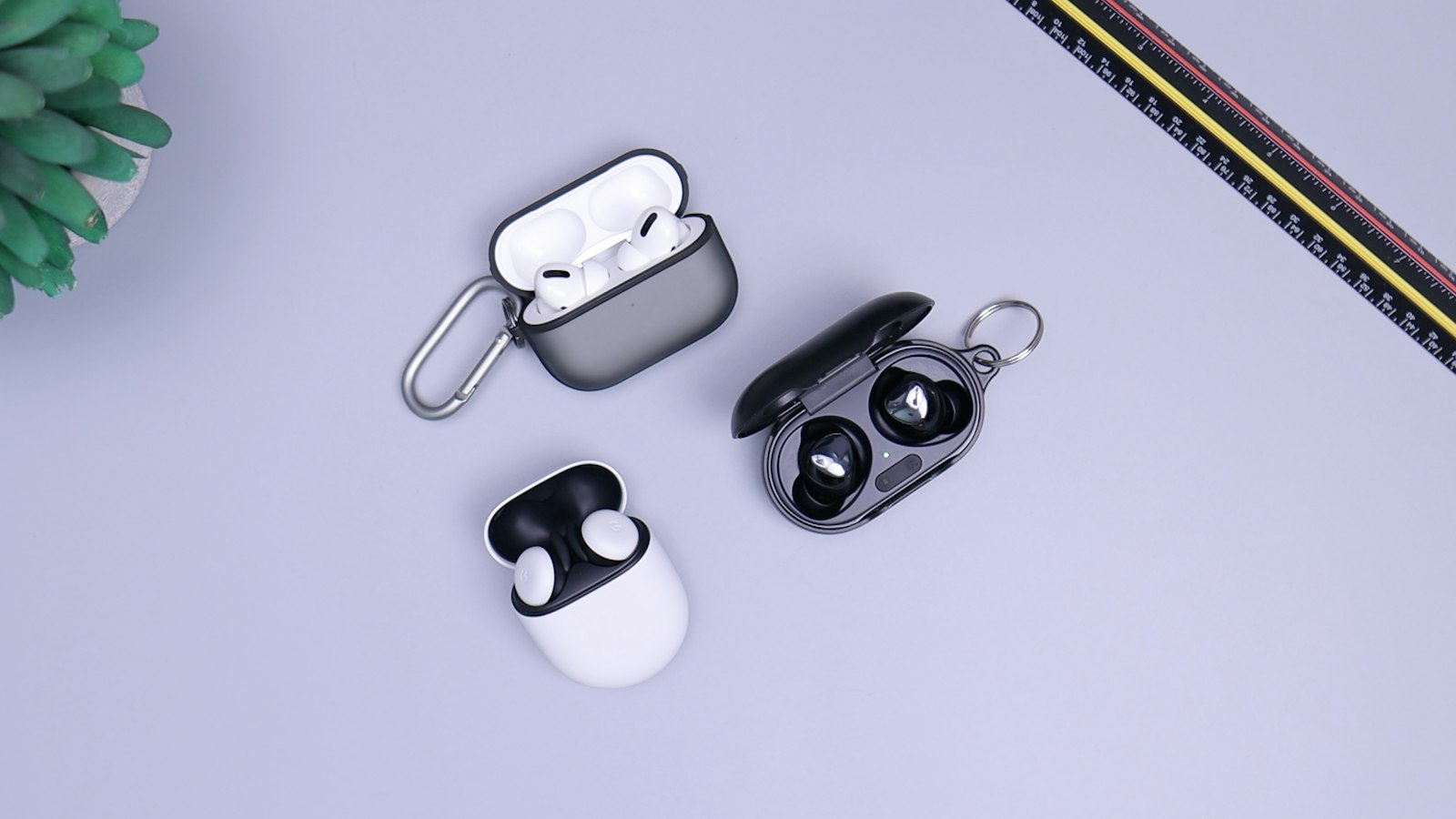
Connectivity is the other half. The platform integrates MICRO-POWER WI-FI 6E so devices can reach cloud AI WITHOUT a smartphone, alongside Bluetooth Classic, LE Audio, and Bluetooth High Data Throughput. PCMag notes that XPAN — which blends low-power Bluetooth and Wi-Fi — is included here even though it was missing from the standard S7 Gen 1 tier. That matters for room-to-room HANDOFF when the host device is GONE.
Audio stack details repeated by HardwareZone include APTX LOSSLESS, fifth-generation Qualcomm Adaptive ANC, Qualcomm cVc multi-mic speech capture, and Snapdragon Audio Sense for environmental hearing. HardwareZone also lists Arm Cortex-M55 cores, dual Hi-Fi 5 audio DSPs, a dedicated Hi-Fi 3 low-latency DSP, and Snapdragon Sound Apps and Agents with partners such as Cinemo, Qobuz, and Roon. The message is blunt: this is a FULL STACK for voice agents, not a Bluetooth dongle with marketing.
Audio Glasses, Camera Buds, and Privacy Timing
Qualcomm’s device list is deliberate: earbuds, premium headphones, open-ear hybrids, CAMERA-ENABLED hearables, AUDIO GLASSES, and future multimodal wearables. 9to5Google flags contextual image recognition for camera buds; The Deep View is careful to separate this platform from Snapdragon AR1 Gen 1, which powers camera-first Meta Ray-Ban glasses. Different chip. Different job. Same week as privacy HEADLINES.
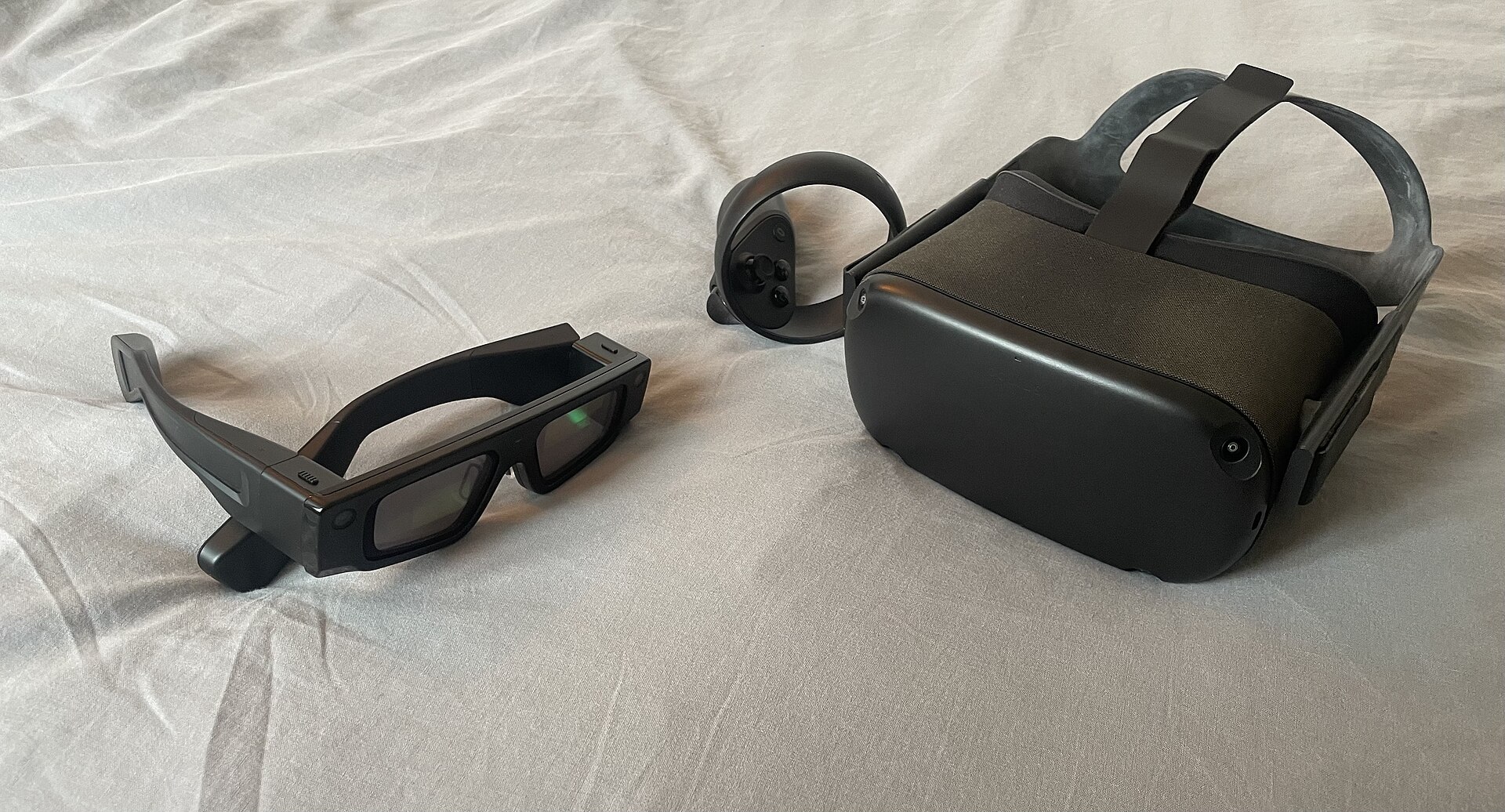
That distinction matters while always-on cameras face pressure. The Deep View argues the announcement is TIMELY because audio-first, non-recording wearables can serve buyers who want AI assistance without a visible camera. Qualcomm is not naming a launch SKU yet; PCMag expects the first Sound Elite Gen 2 devices sometime in 2027. Until then, treat Summit figures as VENDOR CLAIMS — and watch which OEMs actually SHIP.
Why Metaverse Watcher Is Watching
Smart glasses, Android XR companions, and phone-free agents all need low-power silicon that can hear, speak, and call the cloud. Sound Elite Gen 2 is not a headset SoC — it is the AUDIO PLANE those products share. The signal is clear: Qualcomm is betting the next wearables wave runs on VOICE, AGENTS, and optional cameras — not cameras alone. That is the part worth TRACKING past tonight’s KEYNOTE NOISE.
Sources: PCMag / Florence Ion (Sep 23, 2026); 9to5Google / Andrew Romero (Sep 23, 2026); HardwareZone / Liu Hongzuo (Sep 23, 2026); The Deep View / Sabrina Ortiz (Sep 23, 2026).