While Meta Connect dominated the XR headlines, Qualcomm’s Snapdragon Summit in Maui put a quieter but consequential ANDROID XR roadmap on stage. On September 23, Google and Qualcomm described a stack that SPLITS by form factor: audio-first GEMINI AI glasses on Snapdragon AR1, wired optical see-through frames like XREAL AURA on Snapdragon Reality Elite, and immersive headsets such as Samsung’s GALAXY XR. The Gadgeteer, DigitalToday, and AR Insider all covered the same Personal AI keynote the same week.
This is not a single “Android glasses” product launch. It is a PLATFORM argument: phones stay the hub, wearables supply context, and different Snapdragon silicon matches different battery, display, and AI budgets. That framing matters in the same week Meta priced tethered VR GLASSES at $1,299 for spring 2027 — Google’s answer is a family of form factors, not one silhouette.
AR1 for Audio-First Gemini Eyewear
Google XR lead Shahram Izadi told the Summit that upcoming intelligent eyewear with GENTLE MONSTER and WARBY PARKER will run on Snapdragon AR1, with a target of later this year in select markets. The Gadgeteer’s on-site report says the pitch is voice-first Gemini help: real-time translation, turn-by-turn navigation, questions about surroundings, music, photos, and calls without digging for a phone.
DigitalToday’s Maui reporting matches that timeline and adds the form-factor logic: AI glasses without a full display lean on audio and low-power sensing, so AR1 — not a Reality Elite puck — is the chip Google named for this tier. Final price and a day-one ship date were not locked on stage.
Reality Elite for XREAL Aura’s Puck
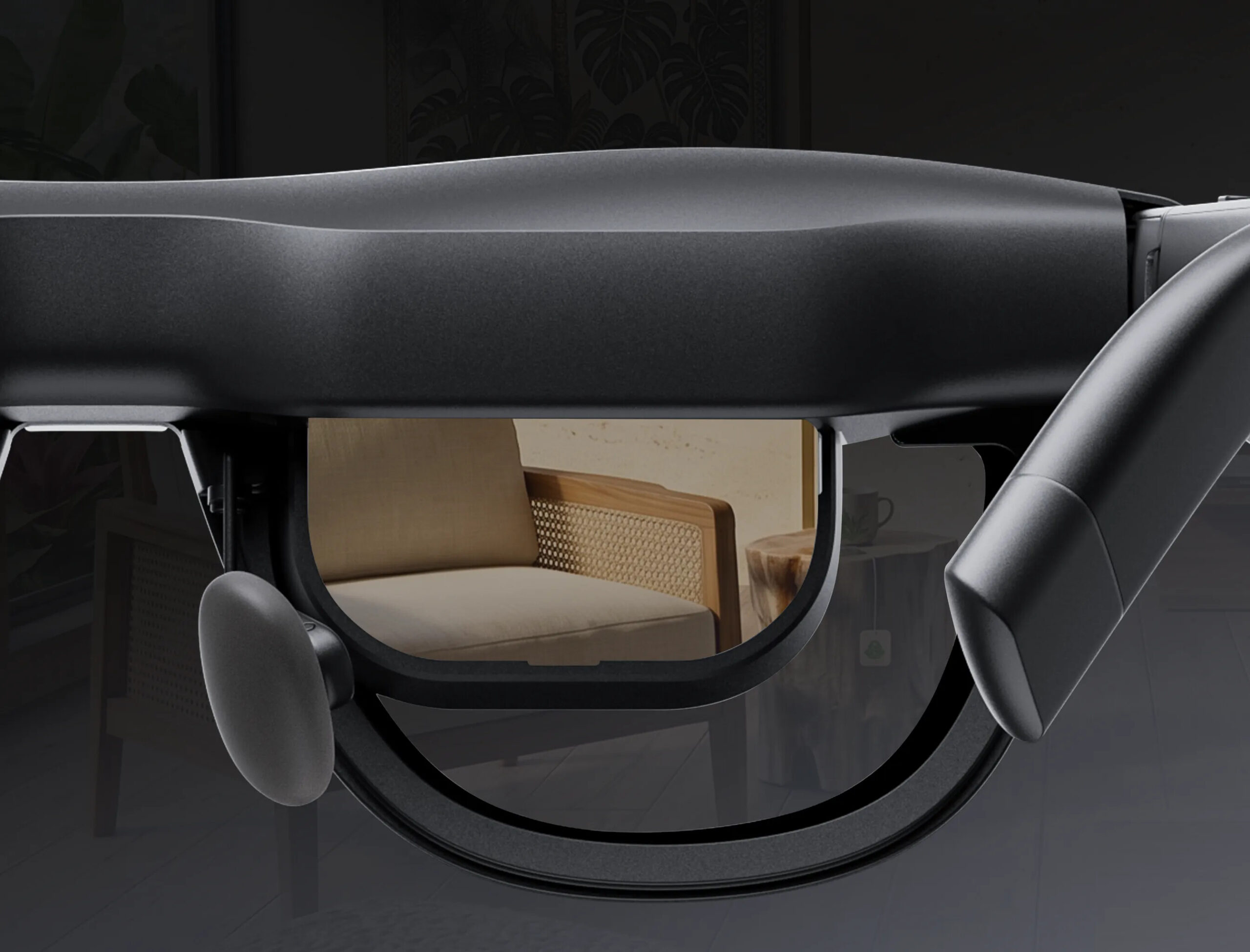
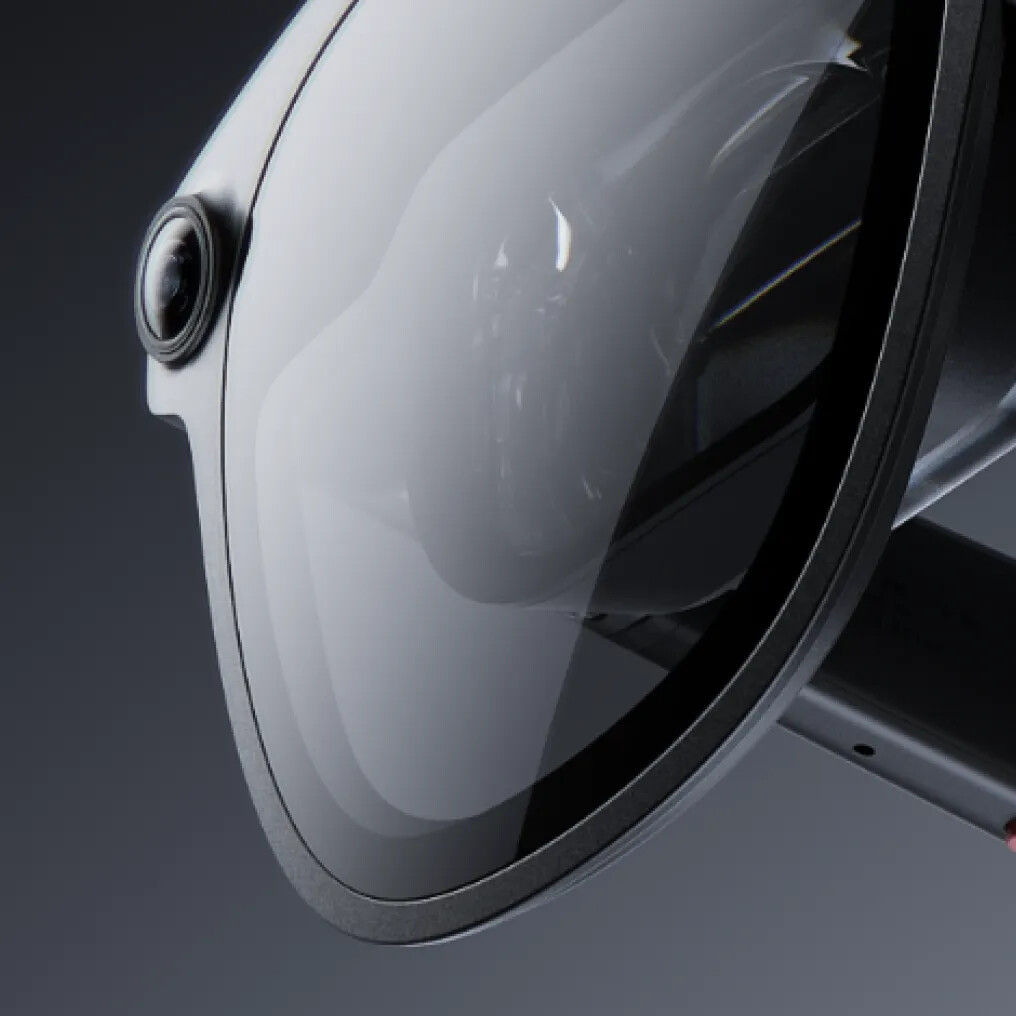
Izadi also revisited XREAL AURA, the optical see-through Android XR glasses that keep a Snapdragon Reality Elite compute PUCK off the face. UploadVR and XREAL’s June launch materials put Aura under a $1,500 ceiling, with fall shipping and a sub-95-gram frame; Summit coverage treated Aura as the display-forward sibling to the audio glasses, not the same category as waveguide “true AR” Specs.
Qualcomm SVP Ziad Asghar’s Personal AI talk, as summarized by AR Insider and The Gadgeteer, casts Reality Elite as the spatial-rendering tier and the AR series (AR1 / AR1+) as the glasses-and-AI tier. The Summit message is chip CHOICE by job: immersive headset, wired OST glasses, or all-day audio agents.
Galaxy XR Remains the Immersive Anchor
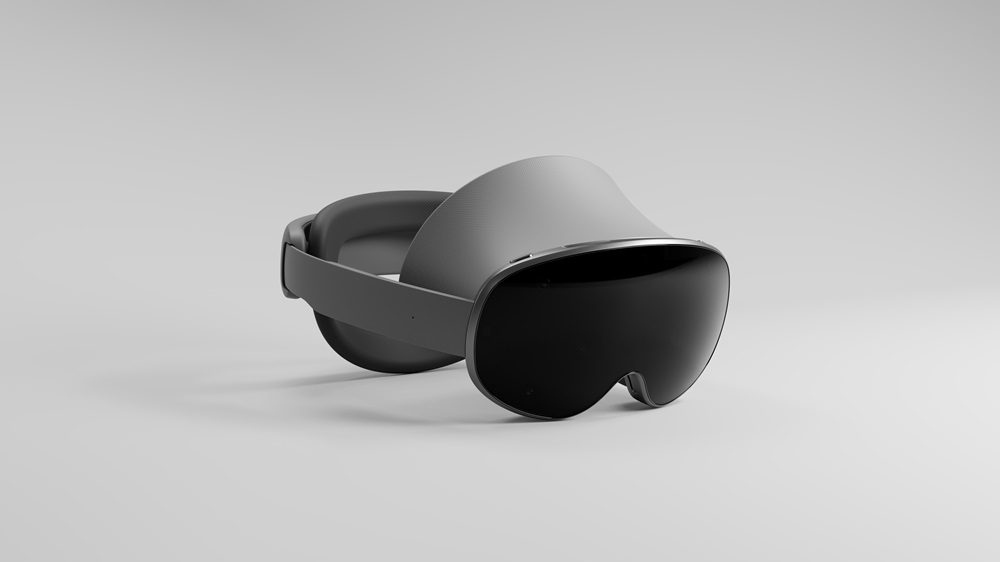
Samsung’s GALAXY XR remains the first shipping Android XR headset in Google’s storytelling: virtual workspaces, large-screen video, and Gemini help tied to what you see. DigitalToday’s Summit write-up places Galaxy XR on the immersive end of the same Android XR line that now fans out into Aura and the Gentle Monster / Warby Parker eyewear.
On-Device Visual AI, Then Agentic Actions
The technical demo that Summit reporters kept returning to was local visual AI in AIRPLANE MODE: a wearer asking about an object and getting a spoken answer with no phone tether and no cloud round-trip. Qualcomm framed that as Hexagon NPU plus a low-power sensing hub doing only the work needed — a capability demo, not a retail product review.
Beyond answers, Qualcomm’s START program scenarios sketched agents that can start music via SoundCloud or book a table via Yelp — the jump from assistant to AGENT. The Gadgeteer correctly flags the hard part: permission, confirmation, and what the system remembers. Those remain product-policy questions for Warby Parker, Gentle Monster, XREAL, and Samsung, not something a keynote settles.
Why This Matters Next to Connect Week
Meta’s Connect week is about one company’s glasses-and-headset cadence. Snapdragon Summit’s Personal AI day is about the SUPPLY layer underneath Google’s Android XR bet: AR1 for hearable AI glasses, Reality Elite for Aura-class spatial displays, and a shared Gemini story across watches, phones, and face-worn devices. If Gentle Monster and Warby Parker actually ship this year, Connect’s Ray-Ban Meta competition suddenly has an Android XR counterweight that is not another Quest.
Sources: The Gadgeteer (Sep 23); DigitalToday (Sep 24); AR Insider (Sep 24); UploadVR on XREAL Aura; XREAL / PR Newswire.