Tom’s Guide published a head-to-head on September 26, 2026 that treats Meta VR Glasses and Xreal Aura as the SAME product CLASS: glasses on the face, Snapdragon Reality Elite in a tethered PUCK, spatial computing as the pitch. The chipset MATCHES. The operating SYSTEMS, OPTICS, and tracking stacks do NOT.

Meta’s device is priced at $1,299 for a SPRING 2027 sale. Xreal still will NOT print a final sticker; UploadVR earlier recorded a ceiling of “not exceed $1,500,” and Younker expects something “close to, if not exceeding, $1,000.” Both claim a roughly 70-DEGREE field of view. Meta quotes about 100 GRAMS on the face; Xreal’s glasses side is listed near 95 GRAMS in prior coverage Tom’s Guide echoes.
Where Meta’s Stack Wins Today
Younker’s hands-on call is blunt on DISPLAY: Meta’s micro-OLED panel looks “super-CRISP with NO edge blurring,” while Aura shows some EDGE blur. Meta also brings Dolby Vision, Dolby Color, and IMAX Enhanced certification into the media story — a CLEAR advantage if cinema and sports are the BUY reason.
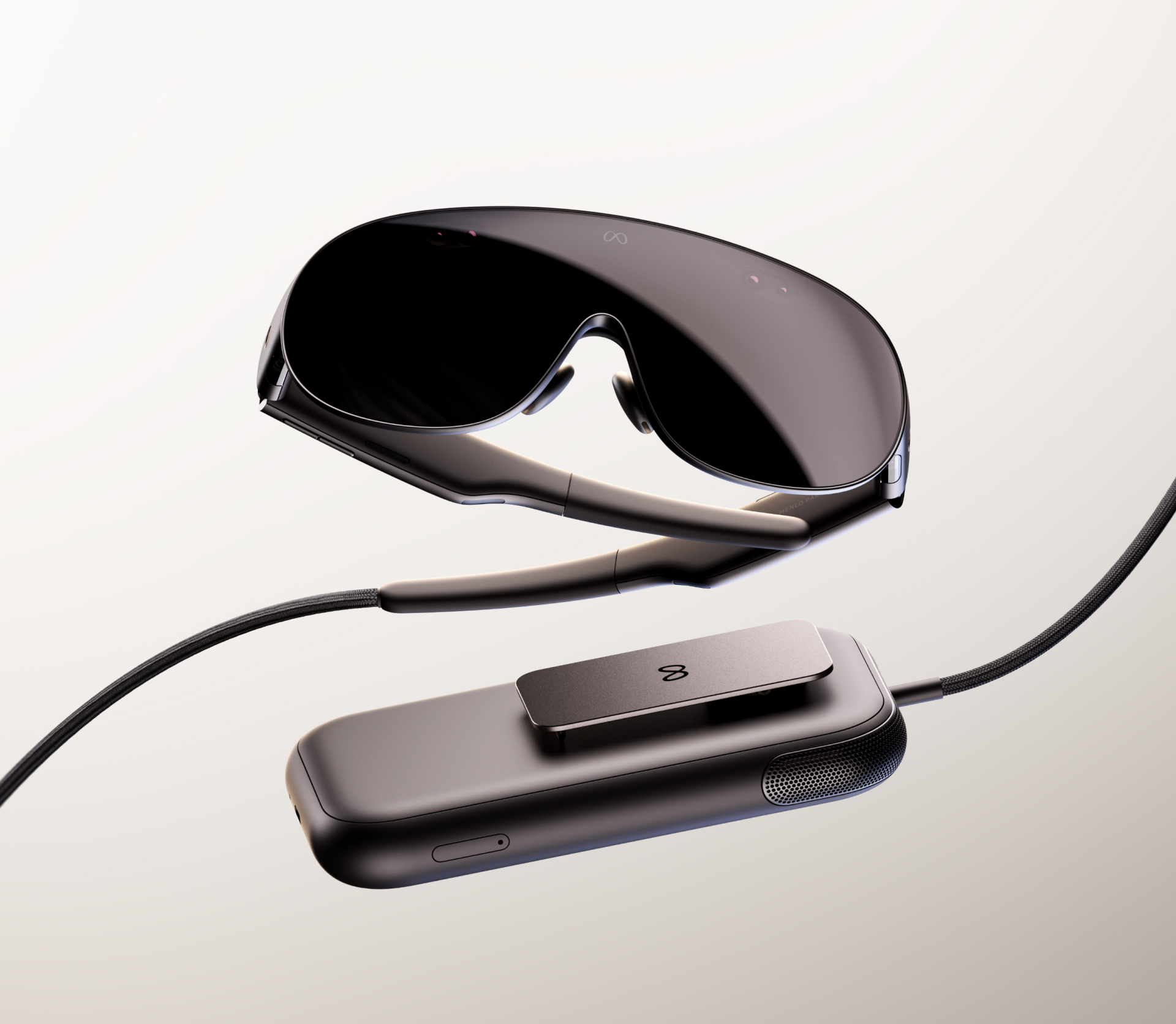
TRACKING is the sharper split. Meta pairs hand tracking with eye tracking (Tom’s Guide cites four inward sensors) and FACE tracking. Aura, on Younker’s sheet and UploadVR’s earlier brief, has 6DoF plus hand tracking from world-facing cameras and NO face tracking — so Galaxy XR “Likeness” avatars do NOT transfer. Lap-rested pinches WORKED on Meta in the Connect demo; Aura still asked for that awkward reach into EMPTY space.
Where Xreal and Android XR Push Back
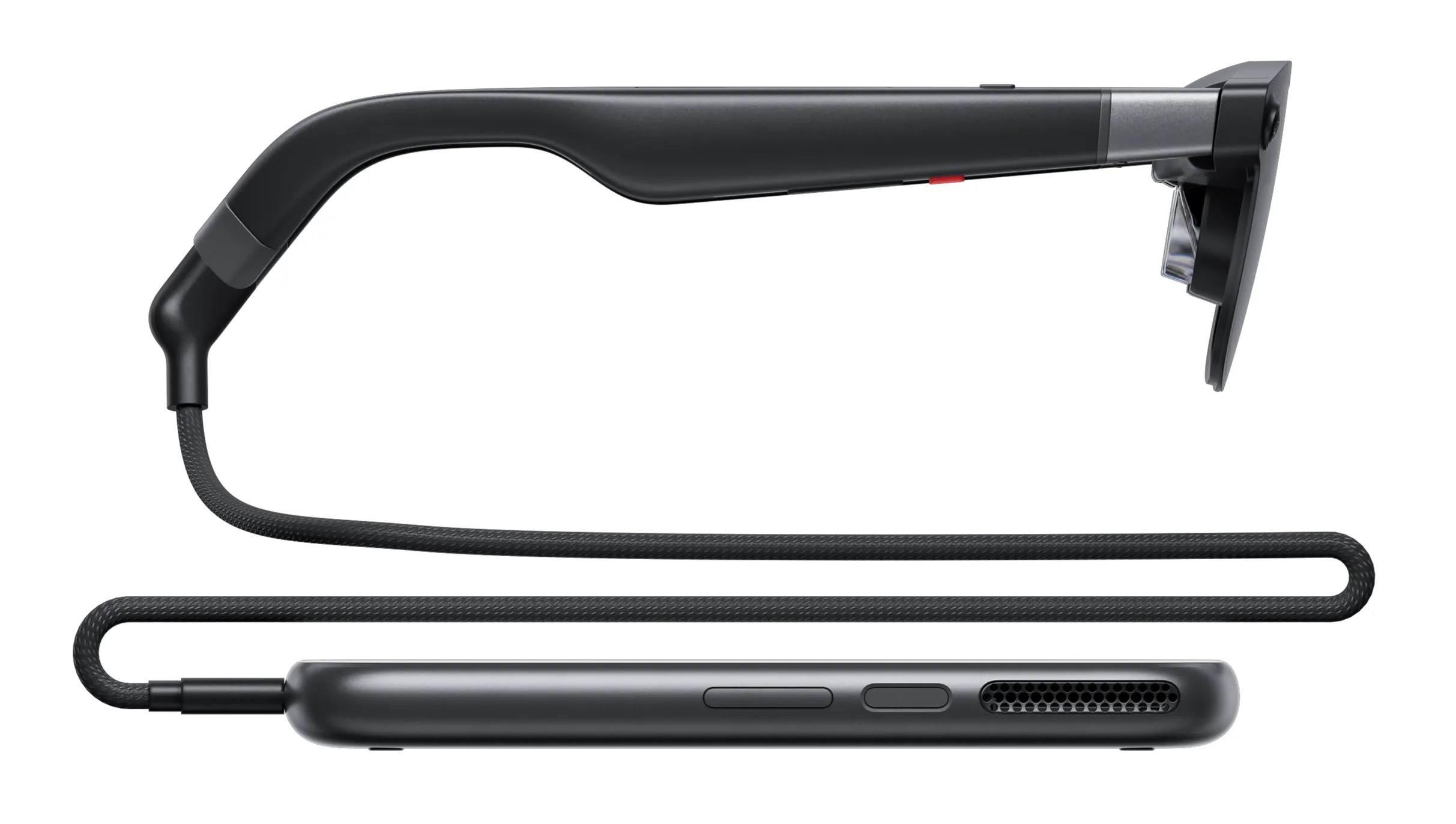
Aura ships on Android XR with Google’s software surface. Younker argues that matters MORE than Meta’s Quest-bred game pipeline if the device is a DAILY computer: Android developers, Gemini Live as “real-time advice in the REAL world,” and years of Xreal host connectivity — Steam Deck, and at AWE 2026 a Nintendo Switch 2 demo — that Meta only sketched as brief multi-window laptop pairing at Connect.
Form factor also diverges under the shared “puck” label. Meta’s unit is opaque VR with full-color PASSTHROUGH. Aura is optical see-through prism AR that blocks most light but keeps eyes VISIBLE — closer to Xreal’s existing glasses line than to Snap Specs waveguide true AR. UploadVR framed Aura as a lighter alternative to Samsung Galaxy XR, NOT as outdoor true-AR competition.
Shared Limits Buyers Should Price In
Neither product is shipping yet in finished retail form for this comparison — Aura targets FALL 2026; Meta VR Glasses target SPRING 2027 — so SOFTWARE can still MOVE. Both sit in a price band that is DOUBLE a Quest 3 and in Steam Frame’s neighborhood. Controllers are SEPARATE on Meta’s side if you want classic VR games, even as Meta promises more than 75 hand-enhanced titles at glasses launch. Battery talk still clusters around a few HOURS of media use, which makes both devices travel and desk tools more than all-day wearables.
Tom’s Guide’s scorecard, stripped of hype: Meta currently LEADS on image clarity and gaze-plus-hand input; Xreal LEADS on OS breadth, Gemini maturity, and host-device connectivity. Same Reality Elite. Different BETS about what a pocket computer attached to glasses is FOR.
Sources: Tom’s Guide — Meta VR Glasses vs Xreal Aura (Scott Younker, September 26, 2026); UploadVR — Xreal Aura Ships This Fall (June 16, 2026); Meta Newsroom — Introducing Meta VR Glasses (September 23–24, 2026).