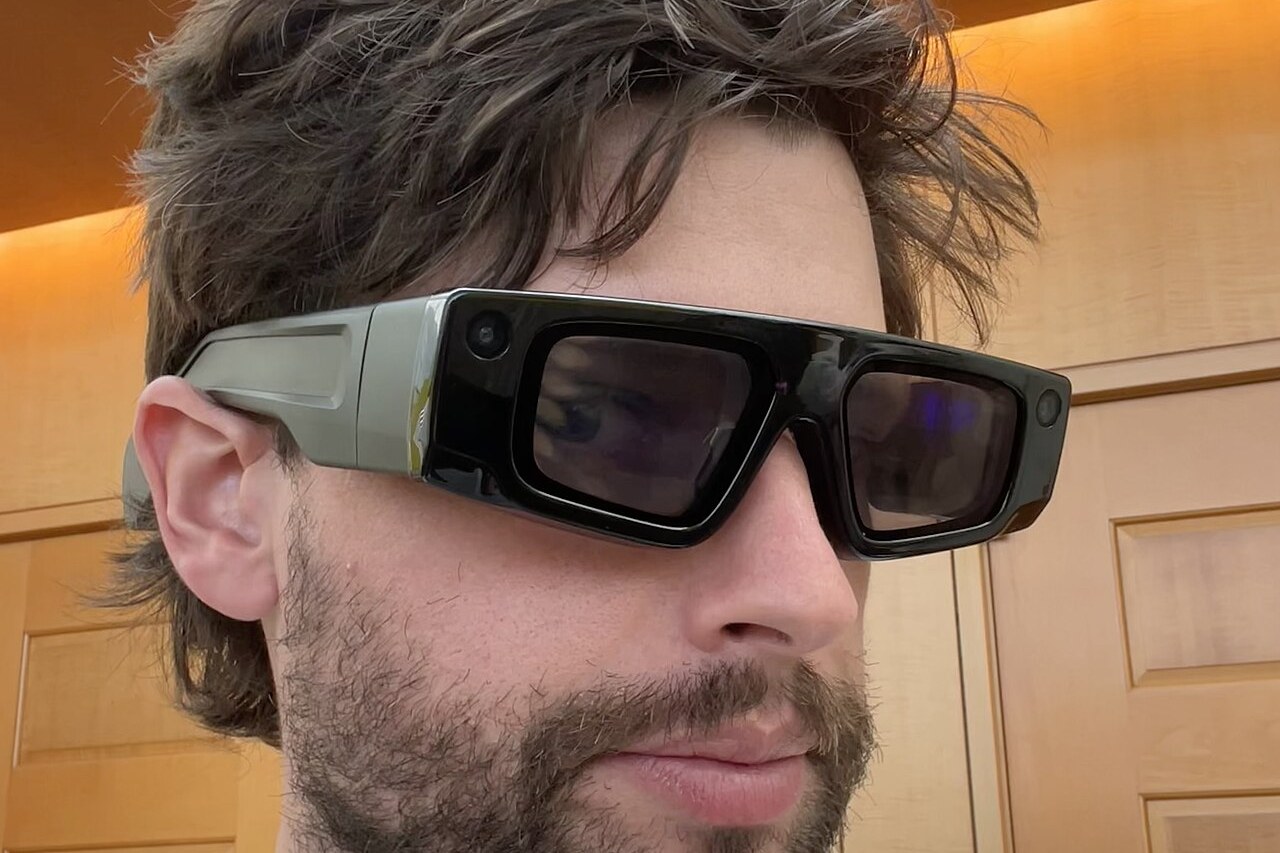
Snap is selling SPECS as a STANDALONE computer for your face. One of the enterprise partners Snap picked to make that case says the more HONEST pitch is NARROWER: a device workers wear for A FEW HOURS of focused work, with the heavy RENDERING done somewhere else.
In an interview published by UC Today on October 5, Hololight co-founder and managing director Florian Haspinger called the SPECS form factor “astonishing” and said the field of view on its displays is “the BEST I’ve ever seen.” Then he set the limit himself. “Is it good enough for EIGHT hours every day? Maybe not,” he said. “But for enterprise use cases and to wear it every day, a few hours, DEFINITELY.”
The Numbers Snap Has to Sell Against
UC Today puts the hardware math plainly: SPECS cost $2,195, weigh up to 136 GRAMS, and are rated for up to FOUR HOURS of mixed-use battery life. Snap CEO Evan Spiegel has himself said the glasses should currently be thought of more like reading glasses, something people put on to get a specific job done.
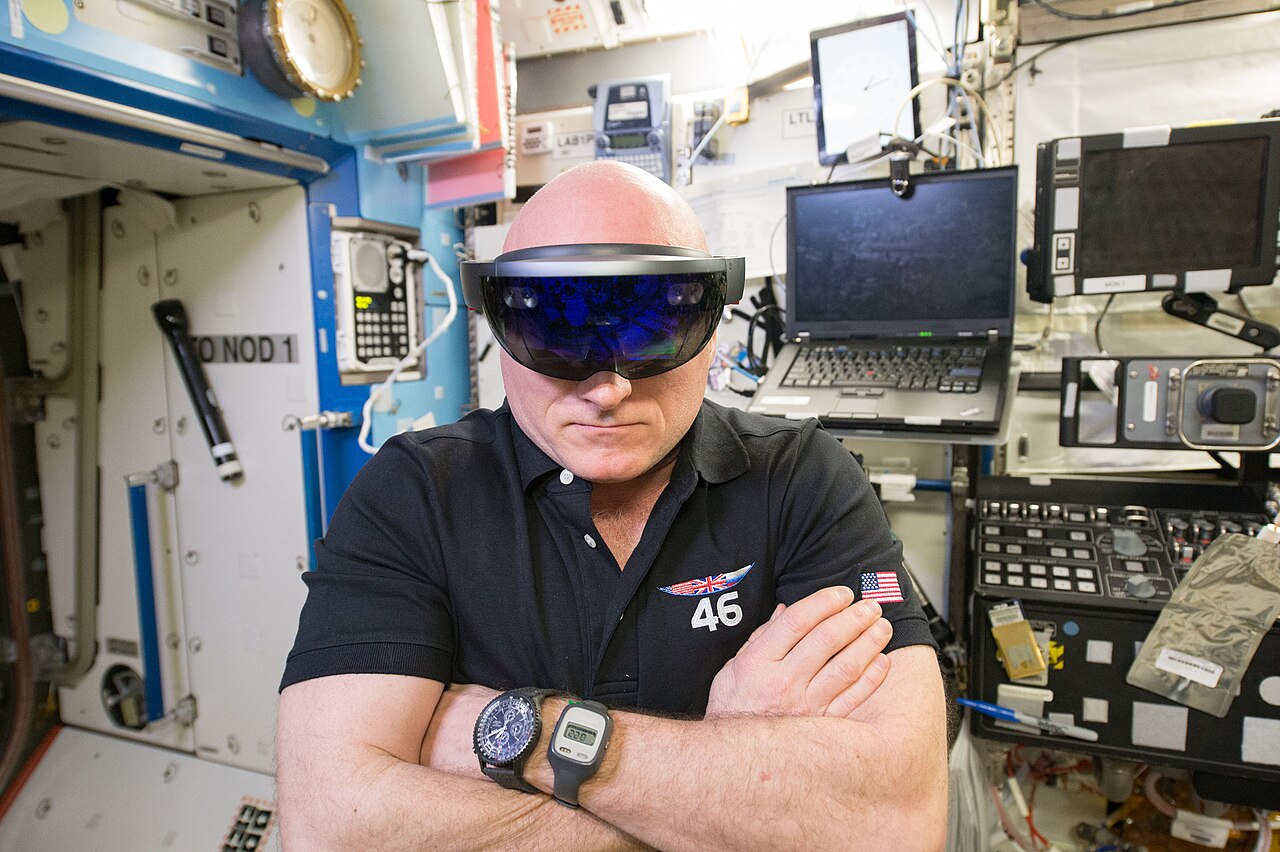
Haspinger argues that framing suits enterprise better than consumer use. Industrial AR has rarely depended on shift-long wear. It lives in TASK-SIZED moments: a MAINTENANCE procedure, an equipment INSPECTION, a TRAINING session, a design review, a call with a remote expert. “People are STILL using the HoloLens 2,” he told UC Today, pointing to overlay work in design review and quality assurance where a digital model is checked against the PHYSICAL part.
A Narrower Claim Than the Launch Pitch
The new comments are more CONSERVATIVE than Hololight’s own launch messaging. Its SPECS partner page pitches one lightweight device for “both a design review and the REST of their working day,” and says the tool mix covers “a working day rather than a single scheduled task.” When we covered Snap’s enterprise partner list on September 18, Haspinger was framing the pitch around session LENGTH. Now he is putting a ceiling on it: a few hours, not a full SHIFT.
The streaming model itself has not changed. Applications RENDER on a workstation, on-premise server or cloud instance, and only ENCRYPTED pixels travel to the glasses, which Hololight rates at up to 90 fps with sub-50 ms latency by its own figures.
“The thinner they get, the LESS compute you have,” Haspinger said. “You start to RELY on streaming technologies to get still your applications, your content, everything you want to do inside the glass.” Getting there on SPECS meant balancing frame rate against HEAT and BATTERY drain, he added.
That is the CAVEAT inside the standalone pitch. SPECS needs no PUCK or phone tether, but the most AMBITIOUS enterprise uses still depend on NETWORK connectivity, remote rendering capacity and the IT systems a company already runs. The upside, as Hololight frames it, is that customer models NEVER leave the company’s own servers.
What a 25-Minute Demo Shows
A same-day hands-on from MobileSyrup lands in the same place. Writing from Qualcomm’s Snapdragon Summit, Dean Daley found PINCH and palm-menu gestures “super easy to pick up,” and English-to-French TRANSLATION worked. But the crowded demo area’s Wi-Fi was UNRELIABLE enough that he could NOT use the AI assistant at all, and he called the frames “very large.” Snap has also not announced CANADIAN availability.
That detail matters for the enterprise story. If a CONNECTION problem can sideline a feature in a showroom, streamed CAD sessions will be only as good as the factory or field network behind them. Hololight’s own deployment guidance points customers to dedicated network requirements for exactly that reason.
The Metaverse Watcher Take
Snap has named Salesforce, AWS, NVIDIA, Trifork and Hololight as early enterprise partners. Haspinger’s comments are the most CANDID scoping yet from inside that group: SPECS is not a LAPTOP replacement (“You need a keyboard, you need a screen”), and it is not an ALL-DAY wearable today. It is a few-hours, task-specific display that borrows its power from SERVERS. At $2,195 per seat before INTEGRATION, device management and support, the device will have to prove MEASURABLE gains in task time, training or error rates to move past PILOTS, which is where most enterprise XR has stalled for a DECADE.
Featured image: fifth-generation Snap Spectacles developer glasses at AWE 2025, cropped. Photo by Horaciotorrendell, Wikimedia Commons, CC BY-SA 4.0. This is the prior Spectacles generation, not the new SPECS.
Sources: UC Today; Hololight; MobileSyrup.