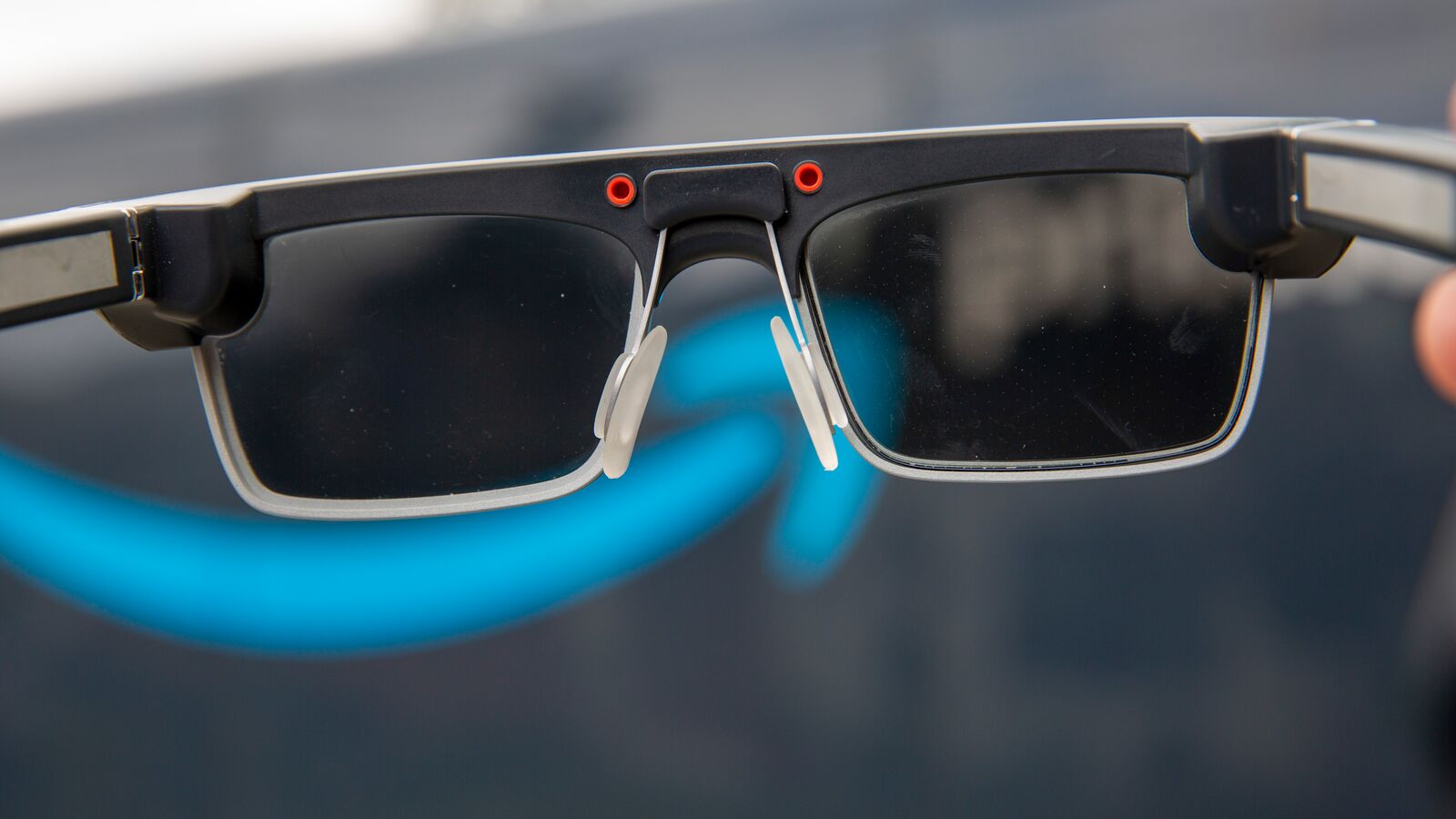
Amazon has put its privacy position on the RECORD. FIVE DAYS after a Bloomberg Opinion column described its SMART DELIVERY GLASSES as taking pictures “almost constantly,” the company told The XR Beat on October 5 that “we do not store unblurred originals, and no one can manually review any unblurred imagery.” The reply ANSWERS the question of WHO can see the images. It still does not answer the one that started the story: whether a CUSTOMER can say NO.
What Bloomberg Reported
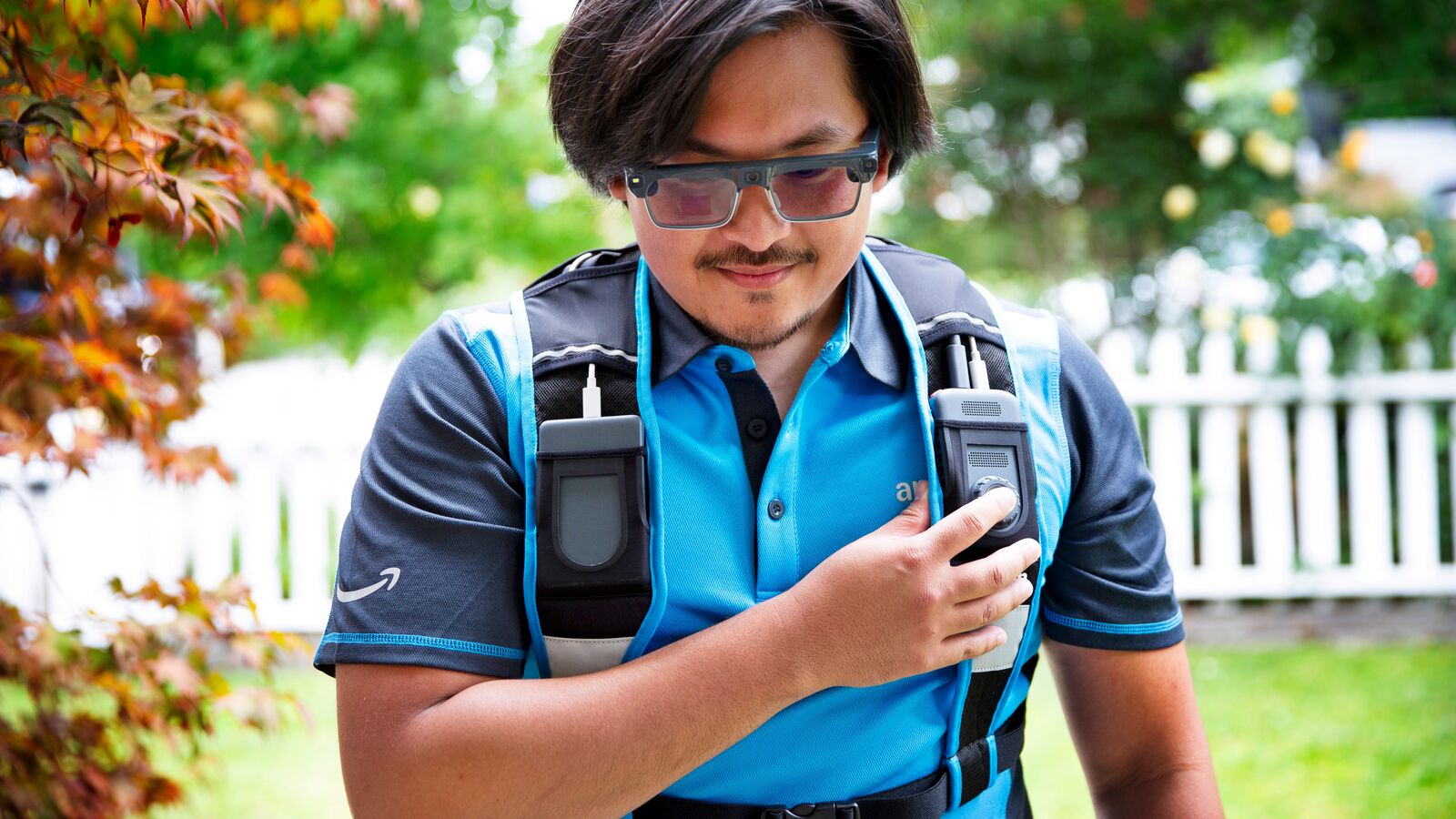
In a September 30 column, Bloomberg’s Dave Lee reported that one driver’s shift could produce SEVERAL THOUSAND still images, which feed WELLSPRING, Amazon’s AI system for mapping neighborhoods, and are also reviewed by PEOPLE. Asked whether customers could OPT OUT, Viraj Chatterjee, the Amazon executive running the rollout, said: “We haven’t thought about that.” According to The Next Web’s summary, Chatterjee called “every few seconds at least” a “good guess” for capture frequency, Amazon would not say how long it KEEPS the images, and a spokesperson confirmed that authorities with a WARRANT could obtain them.
What Amazon Is Saying Now
Amazon’s STATEMENT to The XR Beat narrows the CAPTURE WINDOW. The glasses take STILL images, not VIDEO, on the WALK from the VAN to the DOOR, plus the PROOF-OF-DELIVERY photo, and “don’t capture imagery while the driver travels between stops.” The company says the images are much LOWER resolution than a PHONE CAMERA and that it intends to keep them that way, though it gave no PIXEL COUNT and no capture interval.
On processing, Amazon said people and license plates are “automatically blurred as a first step once imagery reaches our systems, before anyone can access it,” and that NO THIRD PARTIES process or review the imagery. Spokesperson Leigh Anne Gullett called the SURVEILLANCE framing a fundamental mischaracterization and pointed to data minimization, access controls and a HARDWARE privacy switch.
The Gaps That Remain
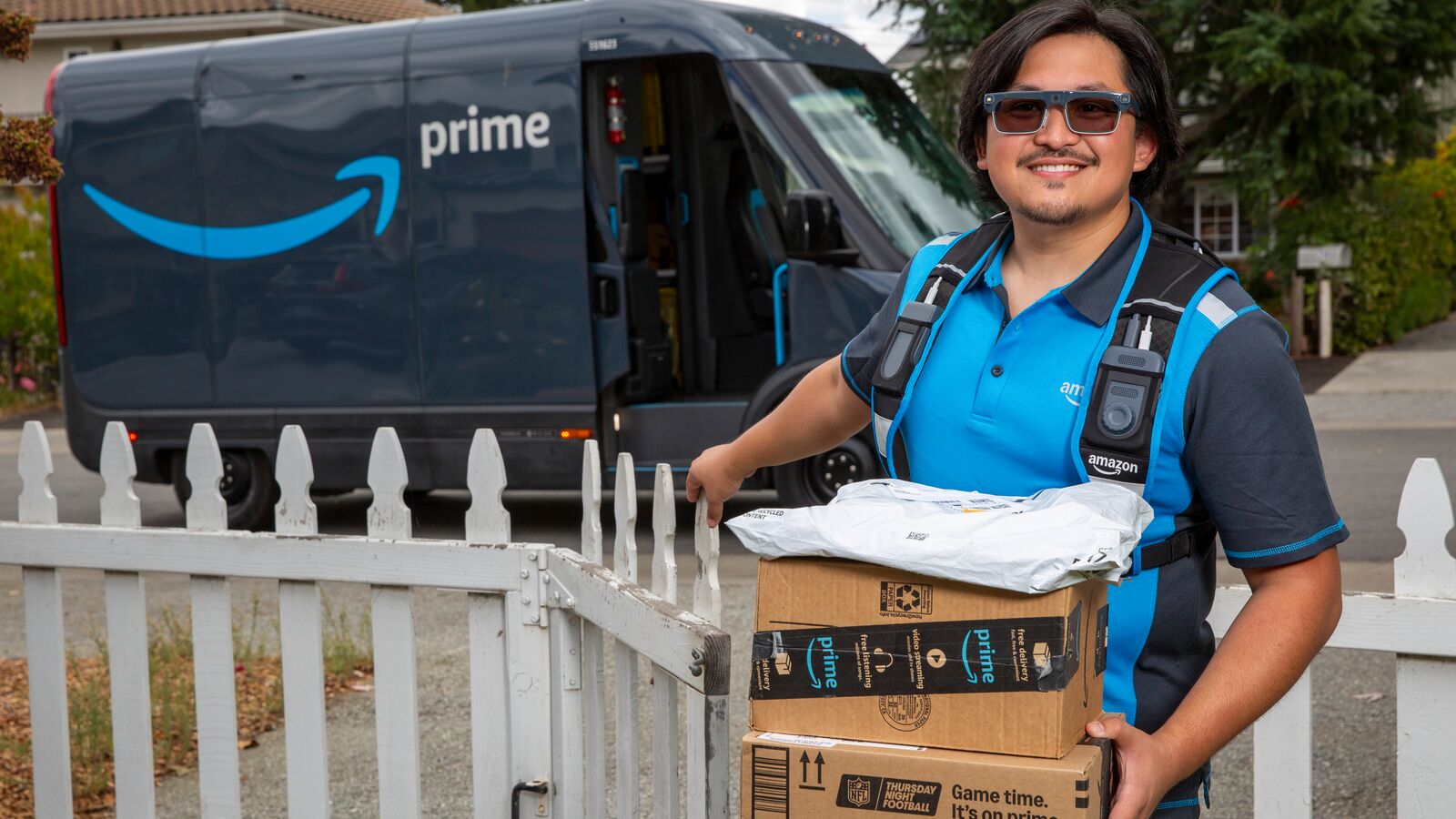
Read closely, the reply leaves THREE open items. First, blurring happens in Amazon’s systems, AFTER UPLOAD. Nothing in the statement describes identifying detail being removed ON the glasses before transmission, so unblurred frames still leave the DEVICE. Second, Amazon gave no RETENTION period, which matters given the WARRANT POINT Bloomberg raised. Third, there is still no stated customer or bystander OPT-OUT, no NOTICE mechanism and no route to request access to or DELETION of an image.
The DRIVER SIDE is better defined. Amazon says participation is VOLUNTARY for Delivery Service Partners and their drivers. One driver told Bloomberg that trainers instruct them to press a “privacy mode” button on BATHROOM BREAKS and near SCHOOLS or military sites, and Amazon is reportedly exploring turning it on AUTOMATICALLY by location.
Why It Matters for Smart Glasses
The SCALE is what turns this from a pilot into a policy test. Amazon says more than 500 associates have used the glasses over 18 MONTHS across more than 275,000 deliveries, with an additional 5,000 devices planned in 2026 and more than 20,000 by the end of 2027, as we covered on September 25. That would make it one of the LARGEST camera-glasses fleets operating at people’s FRONT DOORS.
It also lands in a HOSTILE week for the category. Norway said on October 5 that it plans a TEMPORARY ban on AI glasses in selected public places, per Reuters, and California Governor Gavin Newsom VETOED smart-glasses privacy bill SB 1130 on October 1. Consumer makers such as Meta lean on a capture LED to signal recording. Amazon’s model has no equivalent signal to the HOUSEHOLD being photographed, which is why the OPT-OUT question will not go away with a statement about blurring.
Amazon’s reply did not include measured reductions in delivery errors or time per stop, the BENEFIT side of the trade it is asking customers to accept. Until it publishes those numbers alongside a RETENTION POLICY and a customer control, the privacy debate will run AHEAD of the EVIDENCE.