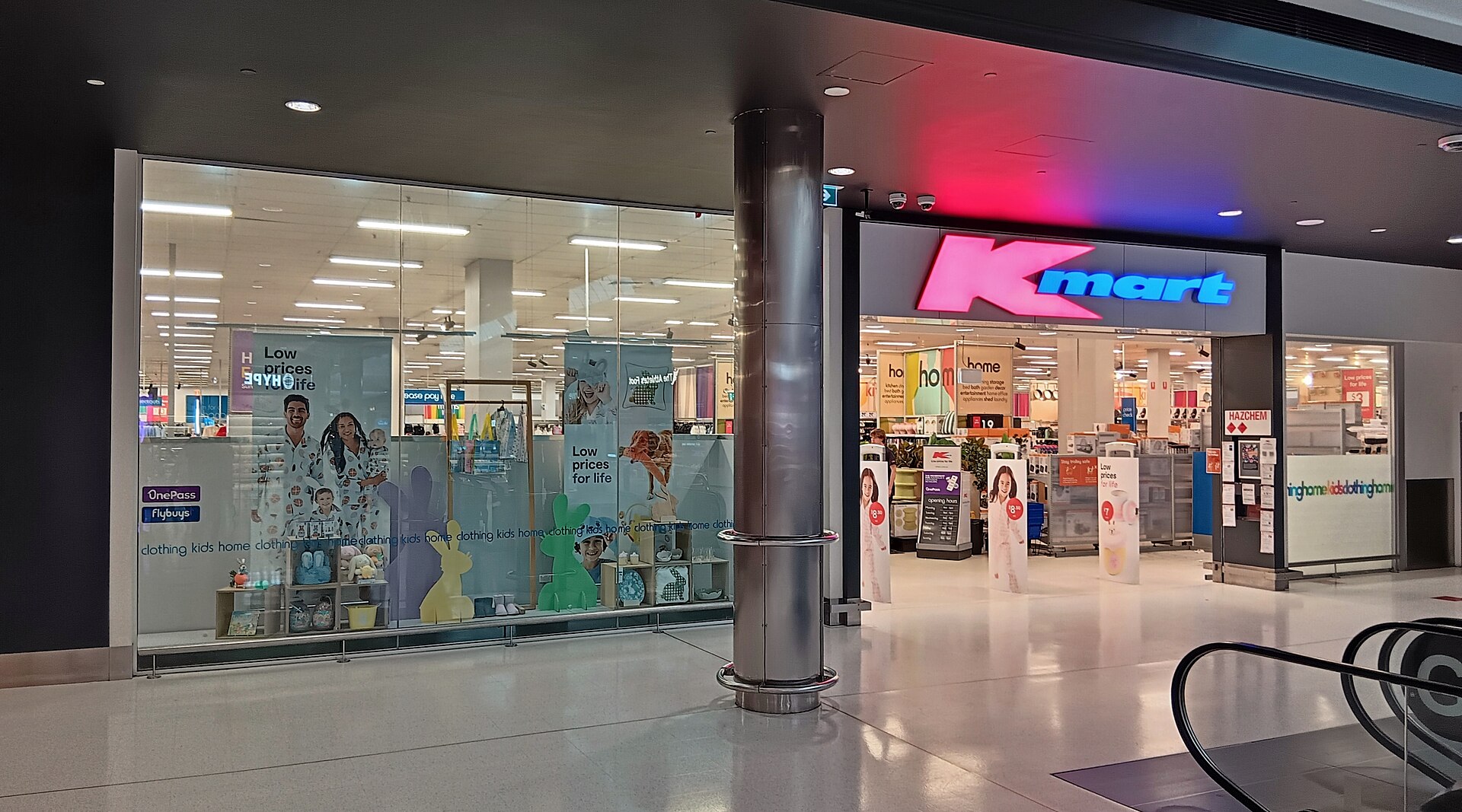
Australia’s Privacy Commissioner has opened a FORMAL INVESTIGATION into Shenzhen Qingcheng Future Technology, the CHINESE developer behind the HeyCyan app that runs a wave of CHEAP camera GLASSES sold through Kmart, Big W Marketplace and Amazon. Commissioner Carly Kind told ABC News the company was the ONLY one of several she approached that IGNORED her office COMPLETELY. Meta, Google, Kmart and an importer got PRELIMINARY inquiries. None of them is under FORMAL investigation.
What the regulator says it is doing
ABC national technology reporter Ange Lavoipierre published the story early on Oct. 7, Australian time, which was Oct. 6 in the U.S. According to the report, Kind’s office has “a RANGE of concerns” about the company’s practices, including the POSSIBLE use of FACIAL RECOGNITION. “We will certainly bring to bear the FULL weight of our powers on the matter,” she said.
Kind said Shenzhen Qingcheng “did not respond at all to our MULTIPLE attempts to obtain information,” and “did not even ACKNOWLEDGE receipt of our communications.” She said that suggests “some of the FUNDAMENTALS may not be in place,” such as adequately staffed COMPLIANCE teams.
A formal investigation CHANGES the TOOLS available. Per ABC, the commissioner can now COMPEL the company to explain how it complies with Australian law. If it keeps ignoring her, she can ask a court for an INJUNCTION to limit SUPPLY of its products. Kind pointed to penalties under the Privacy Act of “$50 MILLION per contravention,” which she said “can be applied per INDIVIDUAL.” ABC notes that, in theory, fines could reach hundreds of millions or even billions of dollars if the concerns are borne out. No finding has been made.
How it got here
The probe follows ABC’s Sept. 22 investigation, which tested TWO pairs: a $60 pair from TEMU and a $110 pair from Sydney importer BDI Technology, bought via Big W Marketplace. BOTH relied on HeyCyan. Testers reported more than a DOZEN serious flaws across the app and website. They found that sensitive data, including EMAIL addresses, dates of BIRTH, images and VIDEOS, was EXPOSED, and that nearby attackers could HIJACK the glasses over BLUETOOTH without a password. Some user data, including prompts and images sent to the built-in AI assistant, went to SERVERS in SHENZHEN. We covered that report here.
The issue was ALREADY on the regulator’s desk. In August, Attorney-General Michelle Rowland took what ABC calls the UNUSUAL step of asking the office to PRIORITISE it amid calls for an IMPORT BAN. Kind’s own Aug. 7 blog post said the OAIC was “monitoring” the market for surveillance wearables to judge whether “scrutiny and intervention” was warranted. When we checked the OAIC’s media centre on Oct. 6, it had NOT posted a statement on the investigation, so the details here come from Kind’s comments to ABC.
The fixes are disputed
Shenzhen Qingcheng has NOT answered the regulator, but it has answered ABC TWICE. A legal representative said its engineers had FIXED the flaws ABC raised. Cybersecurity analysts at NSB Cyber and Abstract Shield told a different story: SEVERAL improvements were made, but MANY fixes had NOT worked or were INCOMPLETE as of Oct. 2.
Why it matters
Most of the smart-glasses PRIVACY fight so far has centred on Meta: Dutch retailer Hans Anders PULLING Ray-Ban Meta stock, and Norway’s proposed TEMPORARY ban on AI glasses in public places. Australia’s first FORMAL action instead targets the BUDGET end of the market, where a SINGLE white-label APP can sit behind MANY brands and retail listings. That puts RETAILERS in the frame. Kind said her office has written to the Australian Retail Council and other sellers, “putting them on NOTICE,” and added: “Responsible retailers might want to consider whether it is appropriate to CONTINUE making these products available.”
The federal government, per ABC, has decided AGAINST an import ban for now, while it considers a LIMITED ban in public service WORKPLACES, which we covered in September. What to watch next: whether Kmart or the marketplaces DELIST HeyCyan-based glasses, and whether the company finally RESPONDS before the commissioner turns to the courts.
Sources: ABC News, “Australian regulator launches probe into Chinese smart glasses company amid privacy fears” (Oct. 7, 2026 AEDT); ABC News, “Ultra-cheap smart glasses leaving Australians’ personal data exposed to hackers” (Sept. 22, 2026); OAIC, “Surveillance wearables – are we through the looking glass(es)?” (Aug. 7, 2026).
1 thought on “Australia’s Privacy Commissioner Opens a Formal Probe of the HeyCyan Glasses App Maker, the One Company That Ignored Her”