Information Age (ACS) reports that Meta is still DOUBLING DOWN on smart glasses even as AUSTRALIA weighs a harder privacy CRACKDOWN. David Braue’s September 29, 2026 dispatch frames Connect’s hardware wave against bans, investigations, and a camera-free AUDIO model that looks like a partial CONCESSION rather than a retreat.

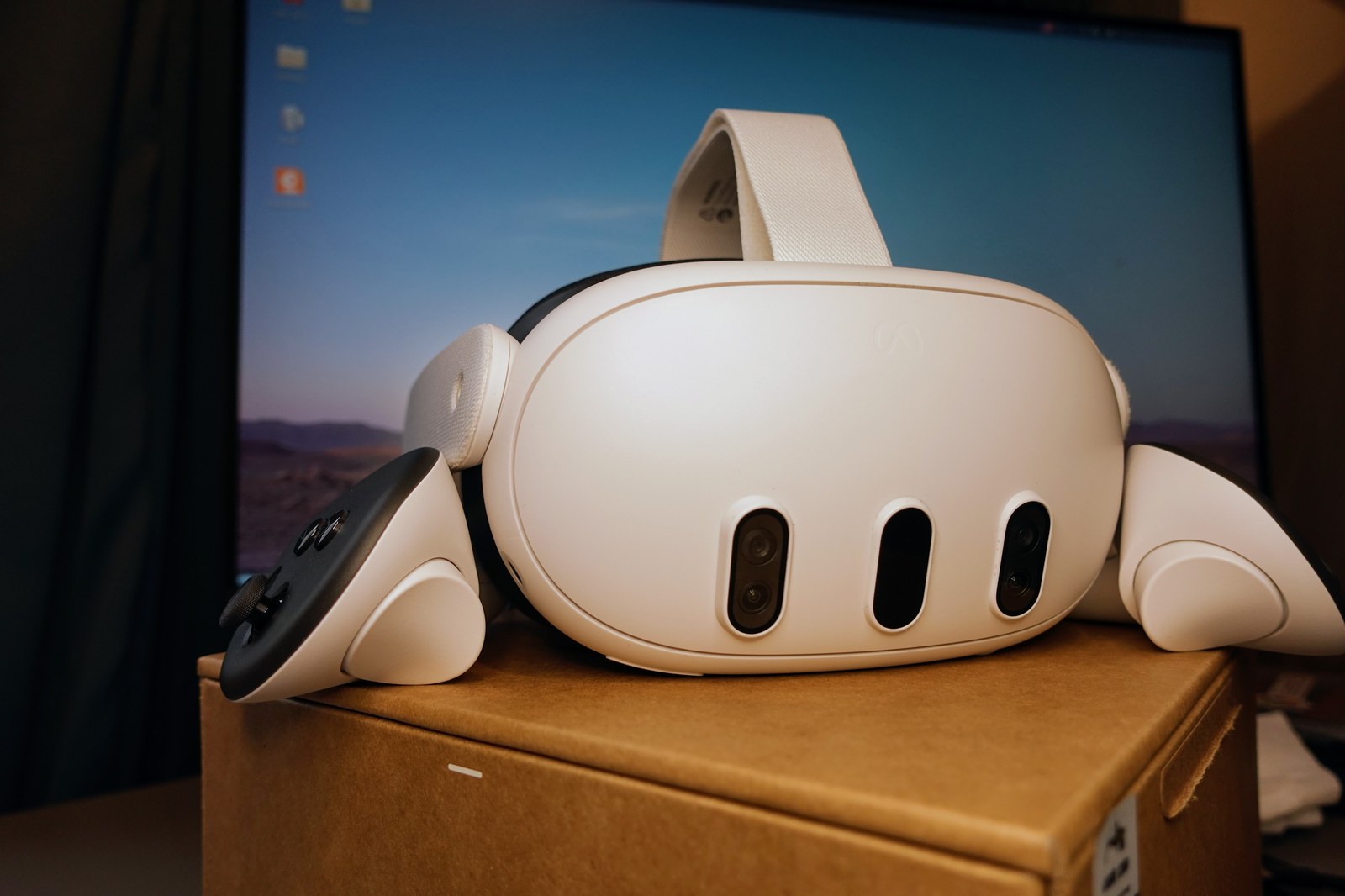
The piece opens on META VR GLASSES — a roughly 100-GRAM micro-OLED headset that offloads battery, compute, and storage to a fiber-optic PUCK. ACS puts the Australian street price near $1,850 against Meta’s US$1,299.99 sticker, with a spring 2027 window and a pitch centered on cinema-scale viewing, Dolby Vision, Dolby Atmos, live sports, gaming, AI, and 3D content. The same frames can also surface apps and Mac or Windows desktops — Meta’s bid to move SCREENS from pockets and desks onto the face.
Privacy Storm Meets Product Roadmap
ACS places that launch inside a widening SURVEILLANCE fight. Camera-equipped Meta glasses are already banned or restricted in swimming pools, cinemas, sensitive airport and government zones, and many corporate offices. Last month, Privacy Commissioner Carly Kind said her office is reviewing reforms that would raise consent hurdles for “surveillance wearables” and expand the definition of personal INFORMATION.
The Greens have called for a 12-MONTH smart-glasses BAN. Prime Minister Anthony Albanese is described as weighing a FEDERAL BAN, weeks after German privacy advocates lodged a criminal complaint and French authorities opened misuse probes. Separately, ACS notes a New Mexico jury recently found Meta liable for 43 MILLION privacy violations — a legal SETBACK as the company pushes into more intimate WEARABLES.
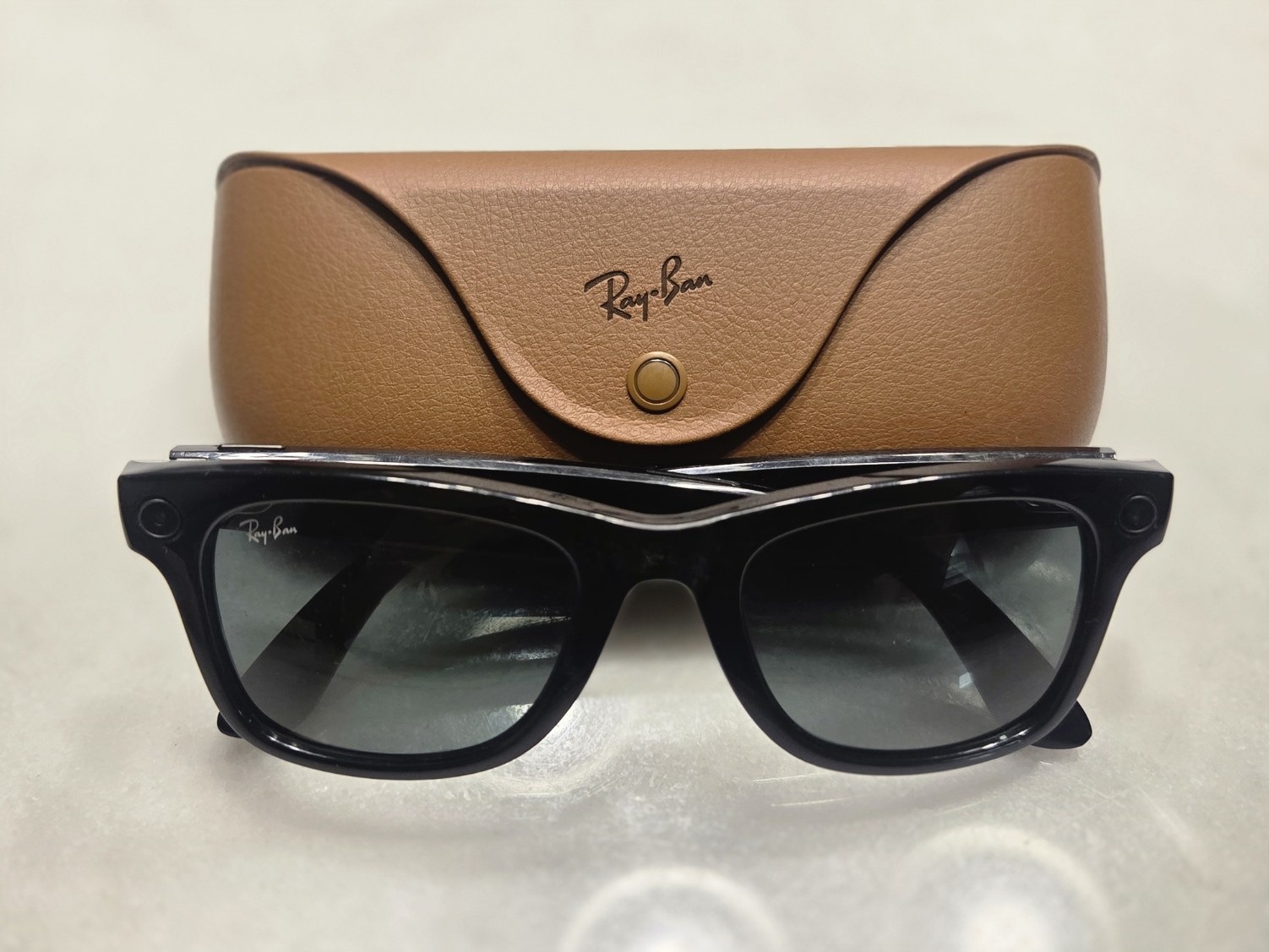
Camera-Free Audio and a Wider Lineup
Against that backdrop, ACS highlights RAY-BAN META AUDIO — a new style that drops the camera while keeping open-ear speakers, microphones, and voice access to Meta AI. Meta’s own line, quoted in the piece, calls audio the most popular feature “since day one” because it does not cut wearers off from the room. Information Age reads the camera-free SKU as a NOD to the controversy without slowing the category’s wider PUSH.
Connect’s broader glasses wave still expands the shelf: third-generation Ray-Ban Meta frames, Meta Ray-Ban Display updates, and new styles arriving from October 13. More than 100 Meta AI glasses styles are expected by year-end, putting Meta beside Samsung’s Galaxy XR and Snap’s Specs while Apple is reported to be building its own smart glasses and considering a Vision Pro refresh in 2028. The ARMS RACE is no longer theoretical.
Muse Charm and the Agent Layer
ACS also flags Zuckerberg’s tease of MUSE CHARM, a screenless “delightful and fun” device meant to keep wearers linked to Muse, Meta’s new AI agent. Meta says each agent runs in a dedicated Linux virtual machine with encrypted, authenticated links, and that a separate SENTINEL agent must approve internet access. How that holds up outside the press brief is still an open TEST.
UNSW Business School professor Tania Bucic, cited by Information Age, warns that AI systems keep evolving after launch “in the hands of users, in new contexts, and at a pace and scale no one tested for.” For Meta, the gap between Connect demos and Australian consent rules is where the next privacy FIGHT will land — not only on whether VR Glasses feel LIGHT, but on whether bystanders still feel WATCHED.
Sources: Information Age / ACS (David Braue, Sep 29, 2026); Meta Connect 2026 announcements; Meta VR Glasses announcement.