Counterpoint Research’s H1 2026 eyewear tracker puts global AI glasses SHIPMENTS up 263% year over year — and Meta still owns almost ALL of it.
MacRumors (Hartley Charlton, Sep 22) and 9to5Google (Ben Schoon, Sep 22) both surface the same Intelligent Eyewear Market Tracker snapshot: DISPLAY-LESS products accounted for 96% of shipments, while Meta held roughly 94% SHARE of that display-less pile. Absolute unit totals were NOT disclosed. The READ for Apple is straightforward — Bloomberg’s Mark Gurman has the company targeting LATE 2027 for first glasses that likewise SKIP a full AR display.
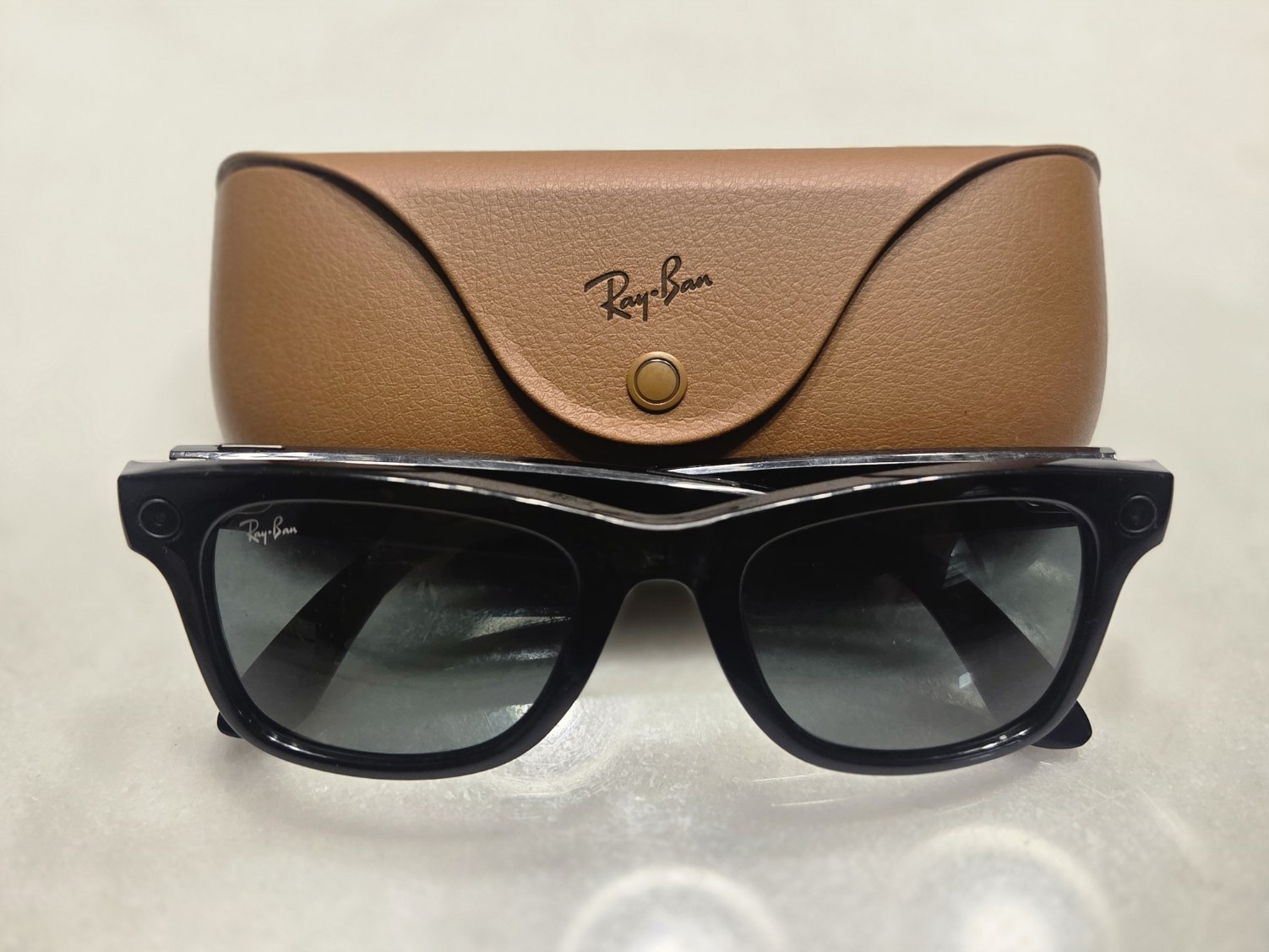
What Counterpoint Actually Measured
Counterpoint’s public summary, covered in depth by MIXED (Michael Zelich, Sep 22) and tied to the firm’s Global Smart Glasses Ecosystem & Market Trends H1 2026 Update, treats these as CHANNEL shipments — estimates into retail, not audited sell-through to wearers. Display-less AI glasses ROSE 258% year over year and 22% versus H2 2025. The thinner display / waveguide SEGMENT jumped 449% YoY and 18% sequentially, yet still landed at only about 4% of volume.
That SPLIT barely budged: display-less sat near 97% in H1 2025 and about 96% in H1 2026. Cameras, mics, speakers, and an on-device ASSISTANT are still what buyers are TAKING home — not HUD overlays.
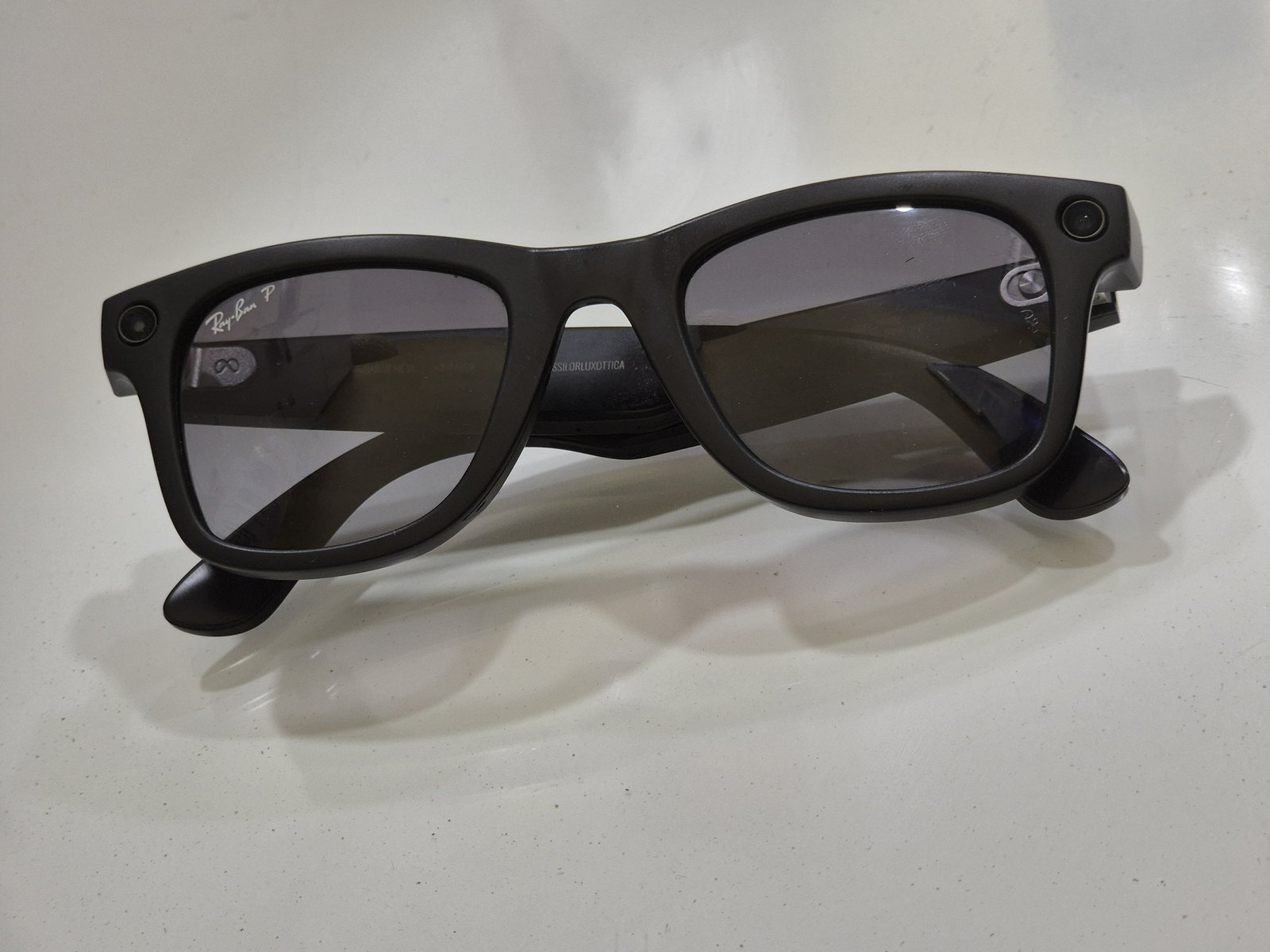
Meta’s Lead, Everyone Else’s Fragment
Meta’s own VOLUME grew about 260% YoY and 22% sequentially inside the display-less category, per MacRumors’ Counterpoint read. Research VP Peter Richardson, quoted via MIXED, says the COMPETITIVE landscape “remains largely UNCHANGED” three years after Ray-Ban Meta arrived in 2023. Counterpoint credits a WIDER Meta / EssilorLuxottica range — including cheaper Meta Glasses SKUs — new market ENTRY, and heavier RETAIL promotion.
9to5Google adds the RANKING crumbs Counterpoint shared: Xiaomi and Alibaba each held about 1% behind Meta’s ~94%. Outside that trio the market stays FRAGMENTED despite launches from Huawei and others. NORTH AMERICA took roughly 50% of global display-less SHARE; China ran slightly AHEAD on glasses that include a DISPLAY, with Rokid, Even Realities, Alibaba, and INMO named among display-segment leaders.

Apple’s Late-2027 Display-Less Bet
Charlton’s MacRumors piece frames the data for Cupertino: Gurman’s LATE-2027 target is a phone-tethered product built around AUDIO, cameras, Siri, and ecosystem LOCK-IN — not a 2026 AR HUD. Apple’s more advanced augmented-reality glasses remain rumored for 2029 at the earliest. That means Apple would ENTER the same display-less lane that already holds 96% of Counterpoint’s H1 2026 shipments, against an INCUMBENT that has barely loosened its grip.

Privacy is already part of the pitch. MacRumors notes Apple could introduce the glasses at WWDC 2027 with an EMPHASIS on PRIVACY — a deliberate CONTRAST to the camera-anxiety backlash that has followed Meta’s frames in public spaces. We covered that privacy fight separately in today’s Reuters-driven piece; the Counterpoint note simply FLAGS “public unease about wearable cameras” alongside rising semiconductor / memory COSTS as named headwinds, not as reasons growth STOPS.
Android XR Is Next on the Same Path
Schoon’s 9to5Google story STRESSES the other CHALLENGER stack: Samsung and Google’s first Android XR glasses are also expected to SHIP display-less, leaning on Android, Gemini, Wear OS, and AUDIO rather than waveguides on day one. That puts Meta, Apple’s rumored first gen, and Android XR’s OPENING SKU in the SAME product shape — cameras and assistants first, displays LATER.


What the Numbers Do — and Do Not — Prove
Percentage SURGES without ABSOLUTE volumes should be READ carefully. Commenters on MacRumors immediately asked whether 263% means a leap from a tiny BASE. Counterpoint did not publish a public unit TOTAL in the summaries MacRumors, 9to5Google, and MIXED cite. What IS solid: display-less still OWNS the category; Meta still DOMINATES that lane; display glasses are GROWING faster from a low base; North America leads display-less share while China leads display share; and Apple, Google, and Samsung are all expected to pour more INVESTMENT into proactive, context-aware glasses.
For Metaverse Watcher readers watching Connect week rhetoric and $299 entry frames, Counterpoint’s H1 2026 SNAPSHOT is less a crowning of AR HUDs and more a CONFIRMATION that the camera-and-audio glasses WAVE is still the shipment story — and that Apple’s rumored LATE-2027 entry would walk into a market Meta has already SCALED.
Related Coverage
Sources
- MacRumors — Hartley Charlton (Sep 22, 2026): Apple smart glasses entering a growing market; Counterpoint 263% / 96% display-less / Meta ~94%; Gurman late-2027.
- 9to5Google — Ben Schoon (Sep 22, 2026): Xiaomi/Alibaba ~1%; North America 50% display-less; China stronger on display; Android XR display-less debut.
- Counterpoint Research — Global Smart Glasses Ecosystem & Market Trends H1 2026 Update (Intelligent Eyewear Market Tracker context).
- MIXED — Michael Zelich (Sep 22, 2026): Tracker detail, Peter Richardson / Flora Tang quotes, channel-shipment caveats.
1 thought on “Counterpoint: AI Glasses Shipments Jump 263% in H1 2026”