Liminal VR, the Australian studio whose Meta Quest app is built around short experiences designed to shift how users feel, has added a new category called the Fear Arena. Its pitch is unusual for a wellbeing company: controlled, deliberately limited scares that the studio calls “recreational fear,” the same kind of thrill people pay for at a horror film or on a roller coaster. The first experience, Wander, is live now, according to UploadVR’s hands-on report published October 22, 2026.
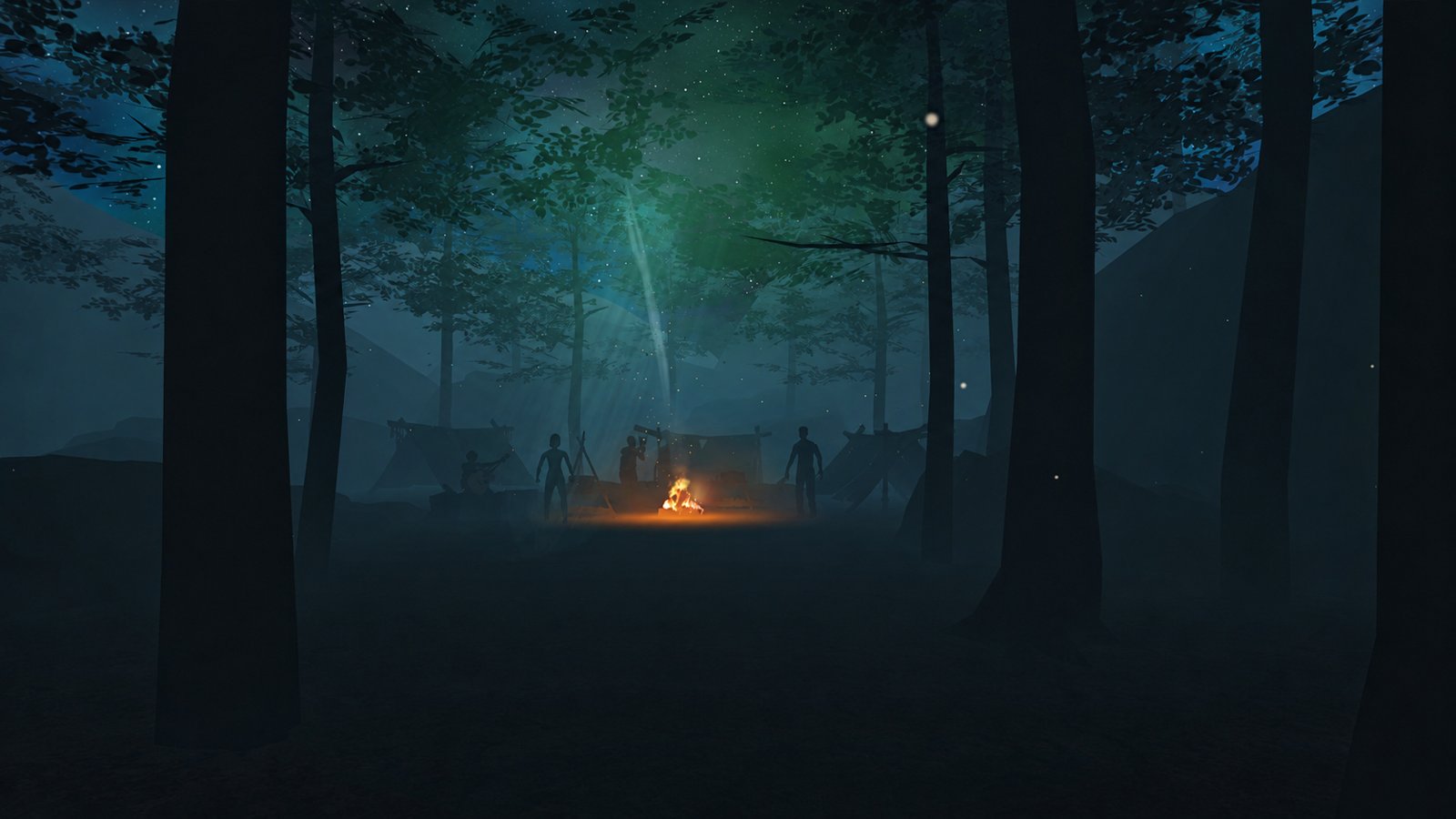
What the Liminal Fear Arena is
Liminal organizes its catalog into “arenas,” each tied to a target emotional state. Until now there were six: Calm, Energy, Relief, Awe, Sleep and Focus, per the app’s Meta Horizon Store listing. Fear is the first arena whose goal is to make users feel briefly worse before they feel better.
The studio’s introduction video frames fear as a sequence that runs from anxiety to excitement and, finally, relief. “The aim of the Liminal Fear Arena is not maximum fear. It’s finding that sweet spot where fear and fun come together,” the company says in that video.
Wander: a forest walk with a few jump scares
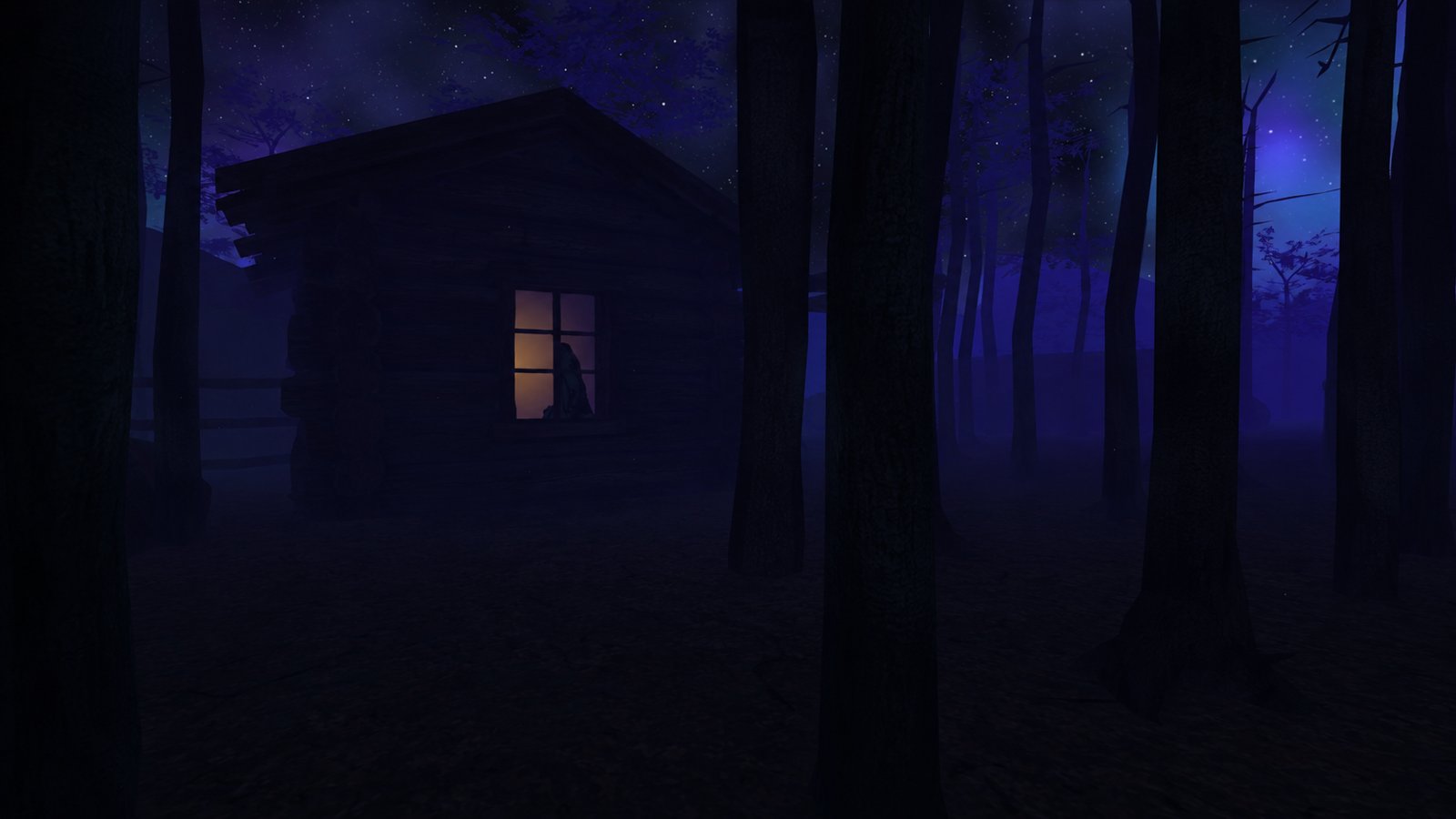
Liminal describes Wander as placing the user among “the eerie sights, sounds, and scares in a dark and mysterious forest.” UploadVR’s Craig Storm, who says he usually quits VR horror at the first jump scare, reported “a few moments of unease and a jump scare” but called the balance right and the ending satisfying, and recommended it even to players with a low tolerance for scary material.

That restraint is the design brief. Liminal co-founder Nick Busietta told UploadVR, “We don’t want to terrorize people at the end of the day,” and said the team shelved one Fear Arena prototype because it did not meet the studio’s threshold for a beneficial experience. The test, in other words, is NOT how scared users get, but whether they leave feeling better than when they started.
Why a wellbeing app is doing horror
Liminal’s core business is evidence-backed mood content. Its consumer site lists more than 145 experiences and 2.7 million psychometric data points, and cites university trials including a Monash University study of a pain-relief experience after surgery and an RMIT University sleep trial. The company also sells an enterprise edition to schools, workplaces and hospitals.
Fear Arena stretches that model toward entertainment. Busietta told UploadVR he sees the platform hosting a broader range of entertainment experiences beyond its psychology and neuroscience roots. For a subscription app competing for headset time against full games, a horror-adjacent category timed for Halloween is a logical way to widen the audience without abandoning the brand’s “measured outcome” framing.
Price and availability
- Platform: Meta Quest, inside the Liminal app.
- Price: $34.99 per year for full, unlimited access. A selection of experiences across the arenas is unlocked for free-tier users.
- Content: Wander at launch, with more Fear Arena experiences expected this fall, per Busietta.
At roughly $2.92 a month on the annual plan, Liminal is priced well below fitness subscriptions such as Supernatural, which relaunched in early access this week at $19.99 a month. The two products target different needs, but both show developers betting that recurring, short-session content can hold a place on Quest.
The bigger picture
This is Liminal’s SECOND notable expansion in a month. In September the studio previewed a walking meditation that uses Meta’s AI glasses to respond to what the wearer sees. Fear Arena also lands in a crowded spooky season for immersive media, alongside projects such as Ti West’s Remnants on Apple Vision Pro. The difference is intent: Liminal is selling a dose of fear with a guaranteed exit, not a horror game.
Shopping for a headset to try experiences like this? Our guide to the best VR headsets of 2026 compares current Quest, PC VR and premium options.
Sources: UploadVR (October 22, 2026); Liminal VR; Meta Horizon Store.