MENLO PARK — Meta just put its first proper METAVERSE HARDWARE bet of Connect 2026 on stage. After an opening act built around Muse, Mark Zuckerberg unveiled META VR GLASSES: a lighter, slimmer headset that trades Touch controllers for HAND and EYE TRACKING, and pulls Muse straight into the operating system.
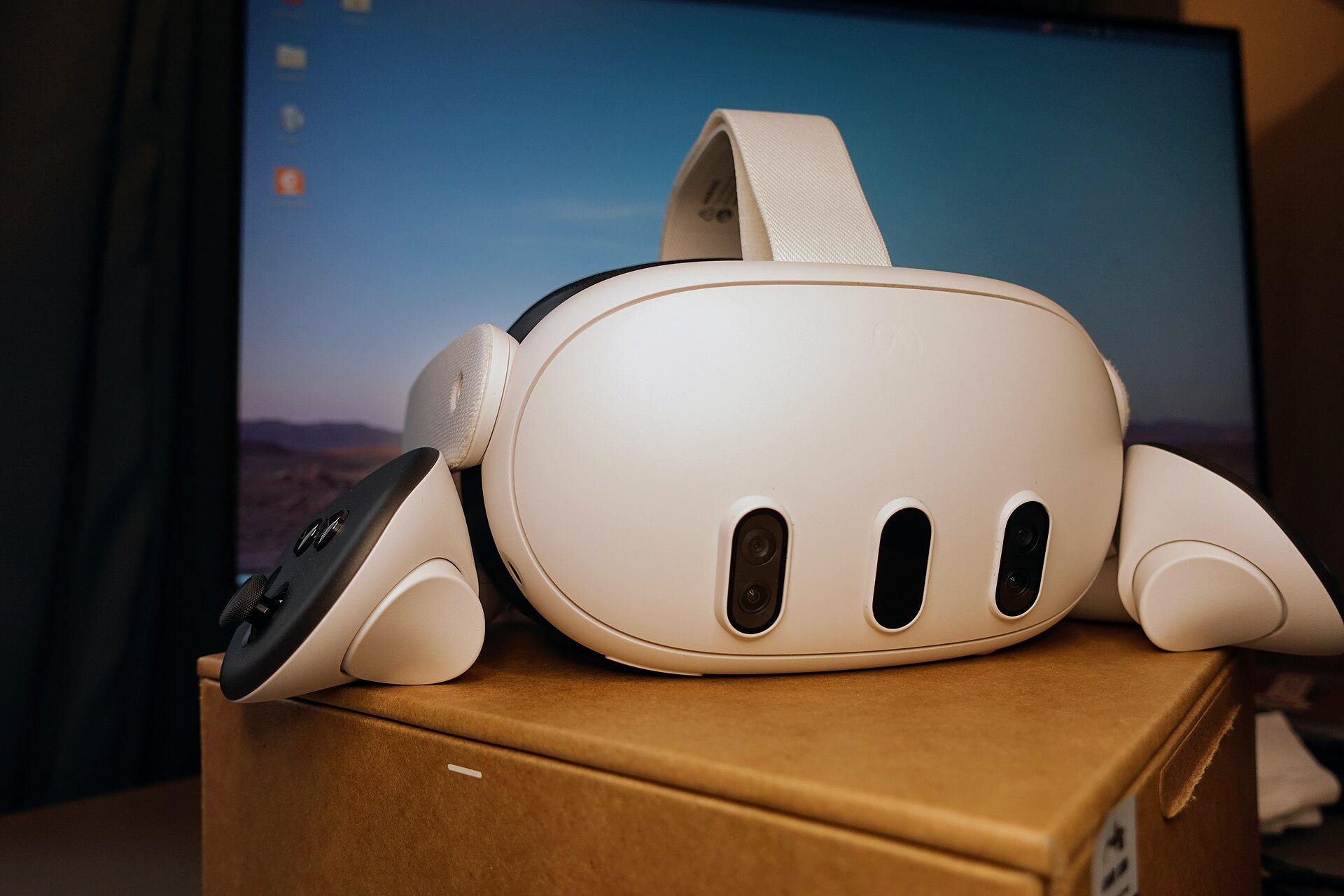
According to live coverage from Engadget and Tom’s Guide on the Menlo Park floor, Zuckerberg said the glasses WEIGH about 100 GRAMS — roughly a deck of cards — and are “much lighter than Vision Pro.” He framed the device as more than a decade of work, and briefly revived the metaverse talk he had dialed back, calling the form factor a BREAKTHROUGH. The on-stage slogan behind him read CINEMA. COMPUTER. CONSOLE.
Controller-free is the POINT. Engadget reports every interaction can run through HANDS, VOICE, and EYES via the AI in the OS. Muse is not a bolt-on assistant here; it is wired into the system. A promo reel leaned on James Cameron and Palmer Luckey reactions. Zuckerberg also claimed Meta executives — including CTO Andrew Bosworth — have hit over 100 WORDS per minute on the glasses’ VIRTUAL KEYBOARD. Engadget’s Karissa Bell, who tried that keyboard briefly, said she struggled and wants more practice.

Price and ship dates for Meta VR Glasses were still moving through the keynote as this report went LIVE. We are not inventing either. What is CLEAR from the room: Meta wants a face-worn VR computer that feels closer to eyewear than a Quest brick, and it wants Muse sitting at the CENTER of that stack.
The same keynote window also refreshed the AI glasses line Meta is already selling. Ray-Ban Meta GEN 3 starts at $449, with slimmed Wayfarers, new Aviator styles, and Dolby Atmos capture for recording, per Engadget. Camera-free Ray-Ban Meta AUDIO glasses — including thinner Clubmaster frames — arrive as Meta’s privacy-facing design bet and claim the LONGEST battery of any Meta glasses. Meta Glasses Adventurer drops to $249. Hearing Enhancement, an FDA-cleared OTC hearing-aid feature for mild to moderate loss, lands first on Meta Glasses for a $149 one-time FEE (or Meta One, Tom’s Guide notes). BLACKPINK’s Lisa gets two collab frames with pet-inspired charms, and Meta says Ray-Ban Display inventory is finally catching demand with more country rollouts. Zuckerberg also pledged more than 100 AI glasses styles by year-end across Oakley, Ray-Ban, and Meta frames.


For Metaverse Watcher readers, the VR Glasses REVEAL is the HEADLINE. Quest still owns VOLUME; Vision Pro still owns the premium bar. A roughly 100-GRAM, CONTROLLER-FREE headset with Muse in the OS is Meta’s CLEAREST attempt yet to collapse that gap without waiting for another bulky Quest generation. We will UPDATE when Meta posts firm pricing, battery claims, compute architecture, and availability.
Sources: Engadget Meta Connect 2026 live blog (Karissa Bell, Devindra Hardawar, Cherlynn Low); Tom’s Guide Meta Connect 2026 live blog; Meta Connect.