Researchers at the MIT Computer Science and Artificial Intelligence Laboratory and Korea’s Gwangju Institute of Science and Technology have DETAILED a seated VR locomotion system that tries to close a long-standing gap: making small FOOT motions feel more like real walking. The system, called EMSWalker, will be presented at IEEE ISMAR 2026 in Bari, Italy, in October.
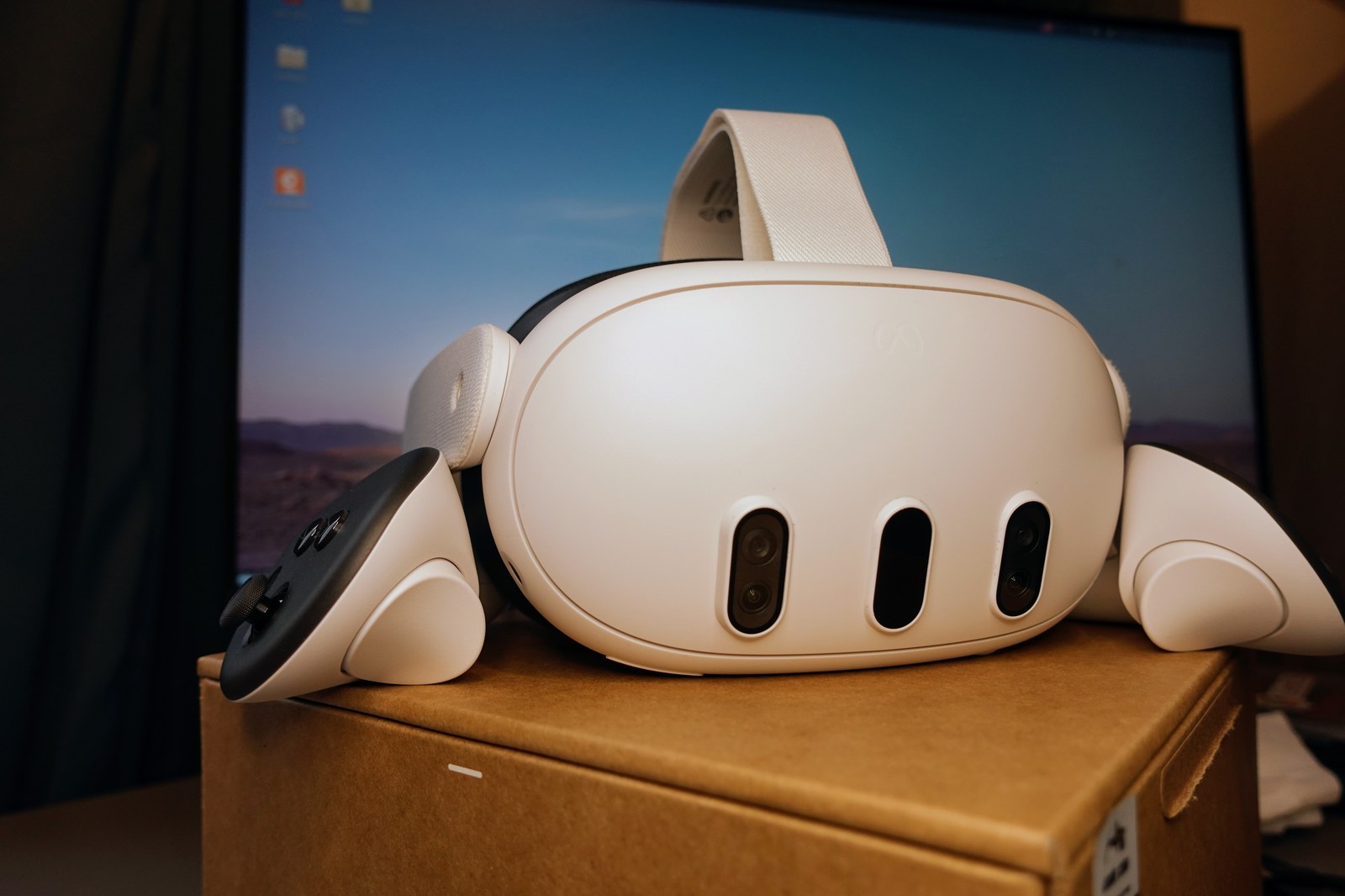
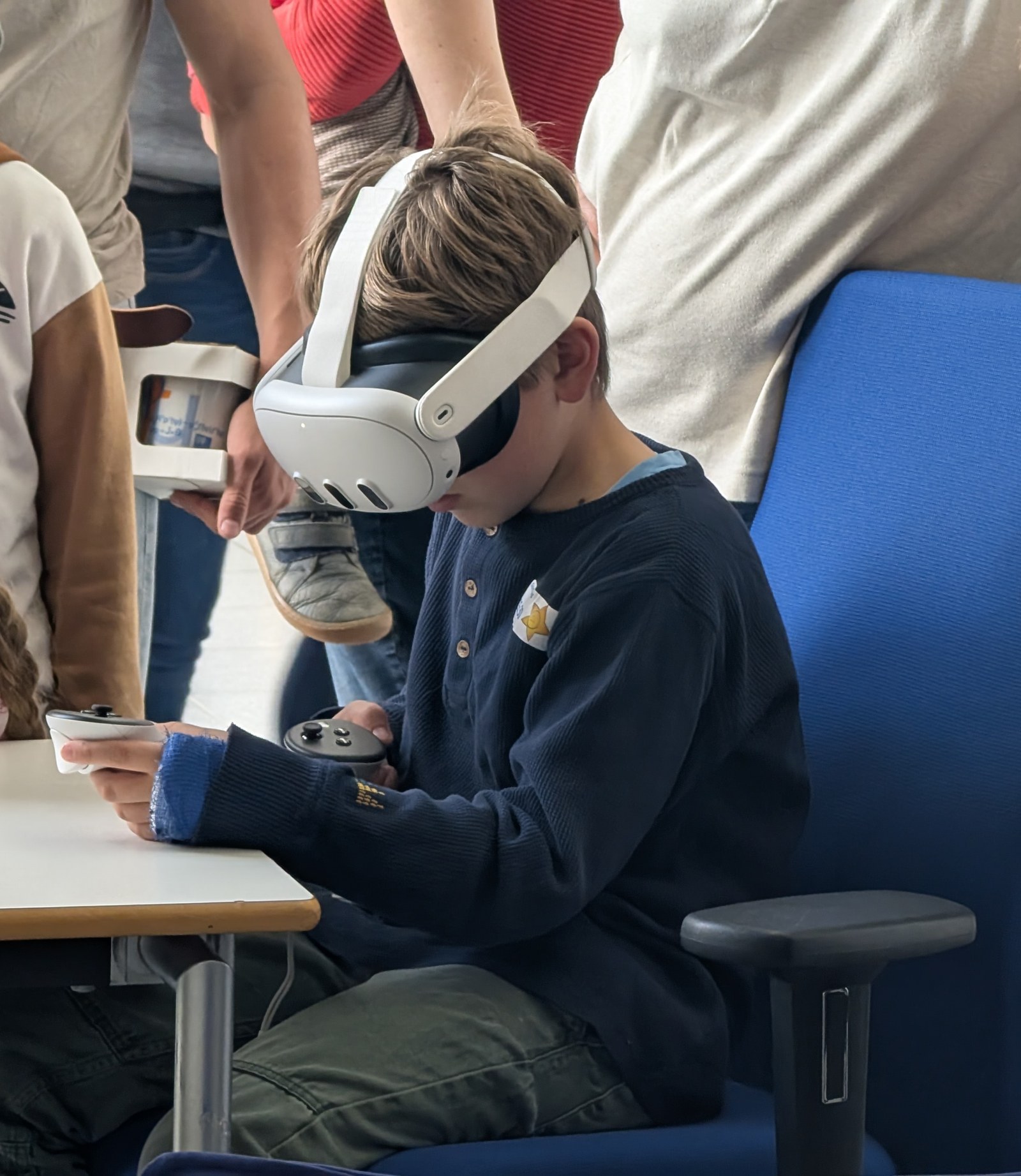
The PROBLEM is familiar to anyone who has worn a headset at a desk. Virtual worlds can stretch for kilometers, but the body stays in a chair. Foot-tapping and walking-in-place techniques can move an avatar, yet they often MISS the muscular sensations that make gait feel AUTHENTIC — especially when the virtual terrain changes from flat ground to an incline.
How EMSWalker Works
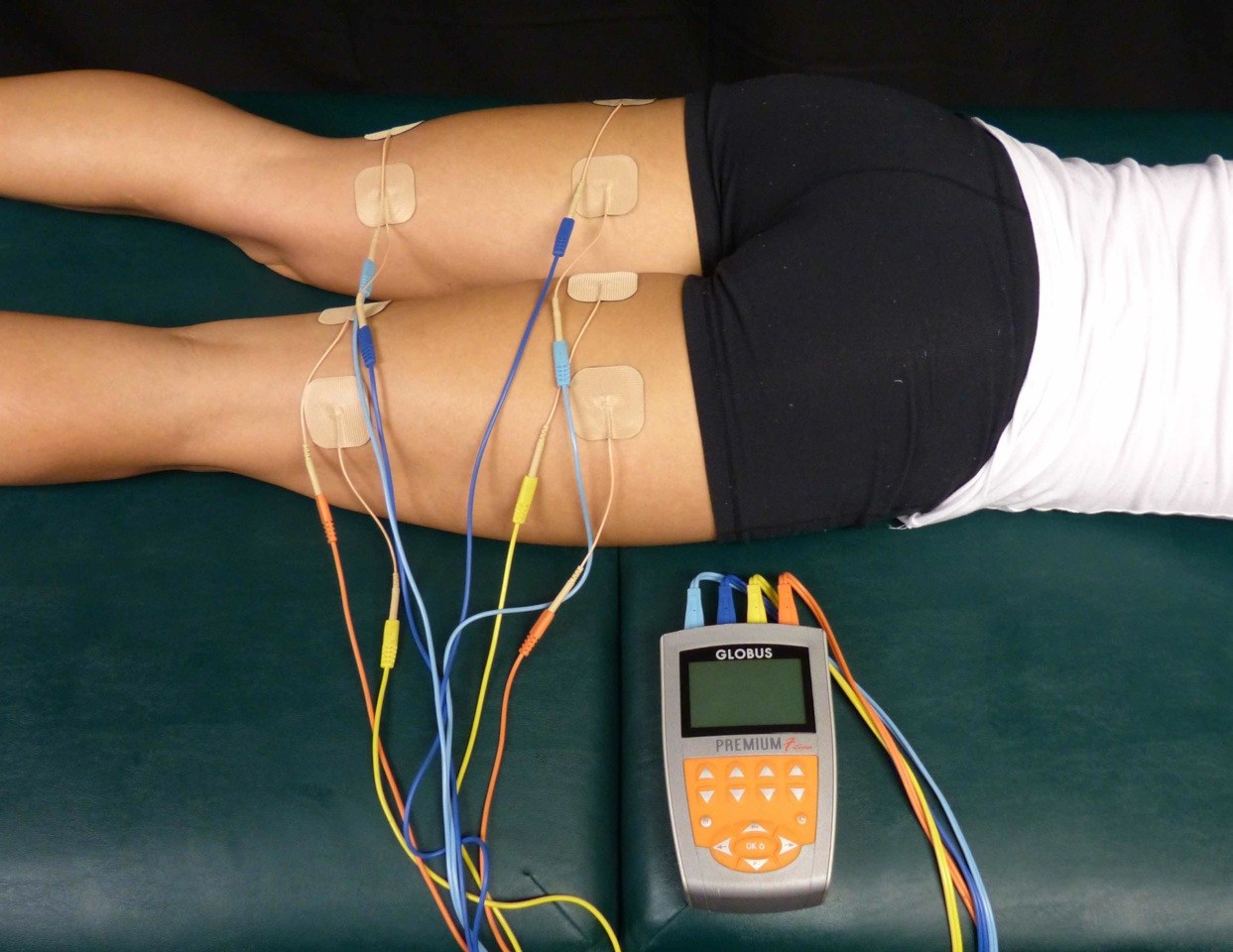
According to MIT CSAIL’s September 28 write-up, EMSWalker maps a seated “foot-tapping” motion onto a natural gait cycle. As users LIFT and LOWER the front of each foot, a virtual avatar walks in SYNC. At the same time, electrical muscle stimulation is DELIVERED to thigh, shin, and calf muscles that fire during ordinary walking. The research paper’s title frames the idea cleanly: “EMSWalker: Integrating Gait-Synchronized Electrical Muscle Stimulation for Seated Walking-in-Place in Virtual Reality.”
Terrain MATCHING is the second half of the design. EMSWalker changes stimulation timing and intensity for level, UPHILL, and downhill walking — for example, increasing thigh stimulation for uphill and adjusting calf stimulation for downhill — so the muscles FEEL something closer to the slope the eyes see.
What the User Studies Showed
MIT CSAIL reports that gait-synchronized stimulation STRENGTHENED users’ sense of embodiment with the walking avatar, that participants could DISTINGUISH level, uphill, and downhill stimulation patterns, and that matched terrain stimulation raised reported spatial presence and REALISM without a clear jump in VR sickness or perceived burden.
The Korea Herald Business, citing GIST’s announcement on September 30, adds quantitative identification results from a stimulation-only test: participants correctly identified uphill terrain 78 percent of the time, flat terrain 72 percent, and downhill 58 percent — all above the 33 percent chance rate for three options. Walking speed in the virtual space, the report says, tracks the PACE of the foot movements.
Who Built It — and Why It Matters for XR
The study was led by Professor SeungJun Kim of GIST’s AI Department, with PhD student Juwon Um as first author. Joseph DelPreto and Professor Daniela Rus of MIT CSAIL are listed as collaborators. Because the stack uses compact sensors and a wearable stimulator rather than a LARGE treadmill or actuated floor, the team argues it could SUPPORT home XR setups, immersive training, and education where floor space is LIMITED. Future work, Kim says, includes personalizing stimulation and extending beyond slopes to surfaces such as sand and mud.
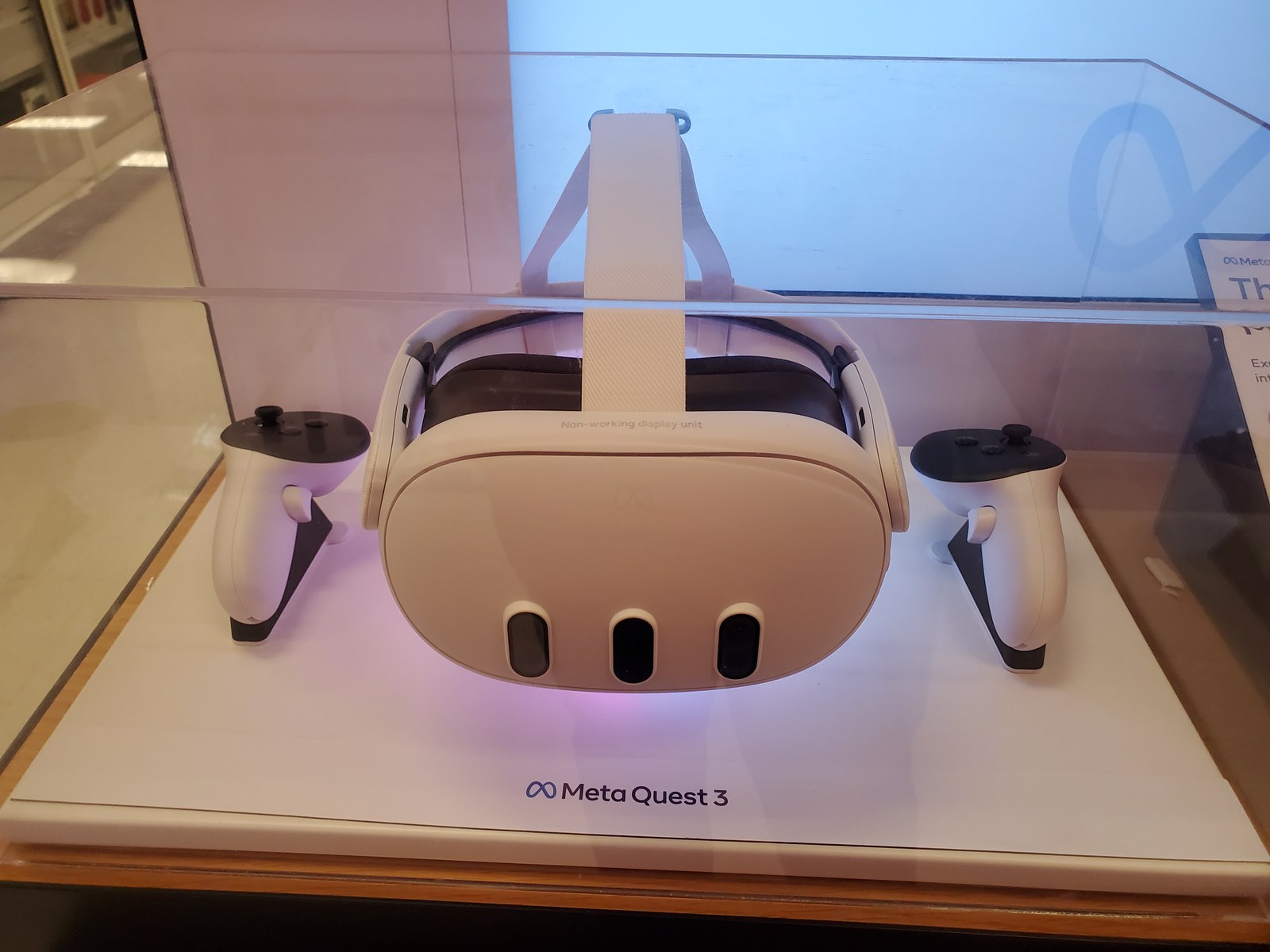
This is RESEARCH hardware, not a shipping consumer product. Still, it lands at a useful moment for the industry: as Meta, Valve, Apple, and Android XR vendors push lighter glasses and smaller living-room footprints, locomotion that does NOT demand a clear 2×2 meter play space becomes more valuable. EMSWalker’s claim is NARROW and TESTABLE — sync muscle feel to seated gait, then match that feel to virtual terrain — and the ISMAR presentation should make the methods available for peer review.
Related Coverage
Sources
- MIT CSAIL — EMSWalker announcement (September 28, 2026)
- The Korea Herald Business — GIST/MIT virtual walking system (September 30, 2026)
- Paper title as cited by MIT CSAIL: “EMSWalker: Integrating Gait-Synchronized Electrical Muscle Stimulation for Seated Walking-in-Place in Virtual Reality” (IEEE ISMAR 2026)