The Verge’s Sean Hollister published an October 1 HANDS-ON that reframes Meta’s big Connect bet: Meta VR Glasses are not transparent AR spectacles, and that may be EXACTLY why they matter. After testing them BACK-TO-BACK with Steam Frame, Apple Vision Pro, and Xreal Aura, Hollister argues the roughly 100-gram PASSTHROUGH glasses are the FIRST design that could CONVINCE ordinary people to try VR — even if he still will not buy the $1,299 pair himself. Read the full column at The Verge.
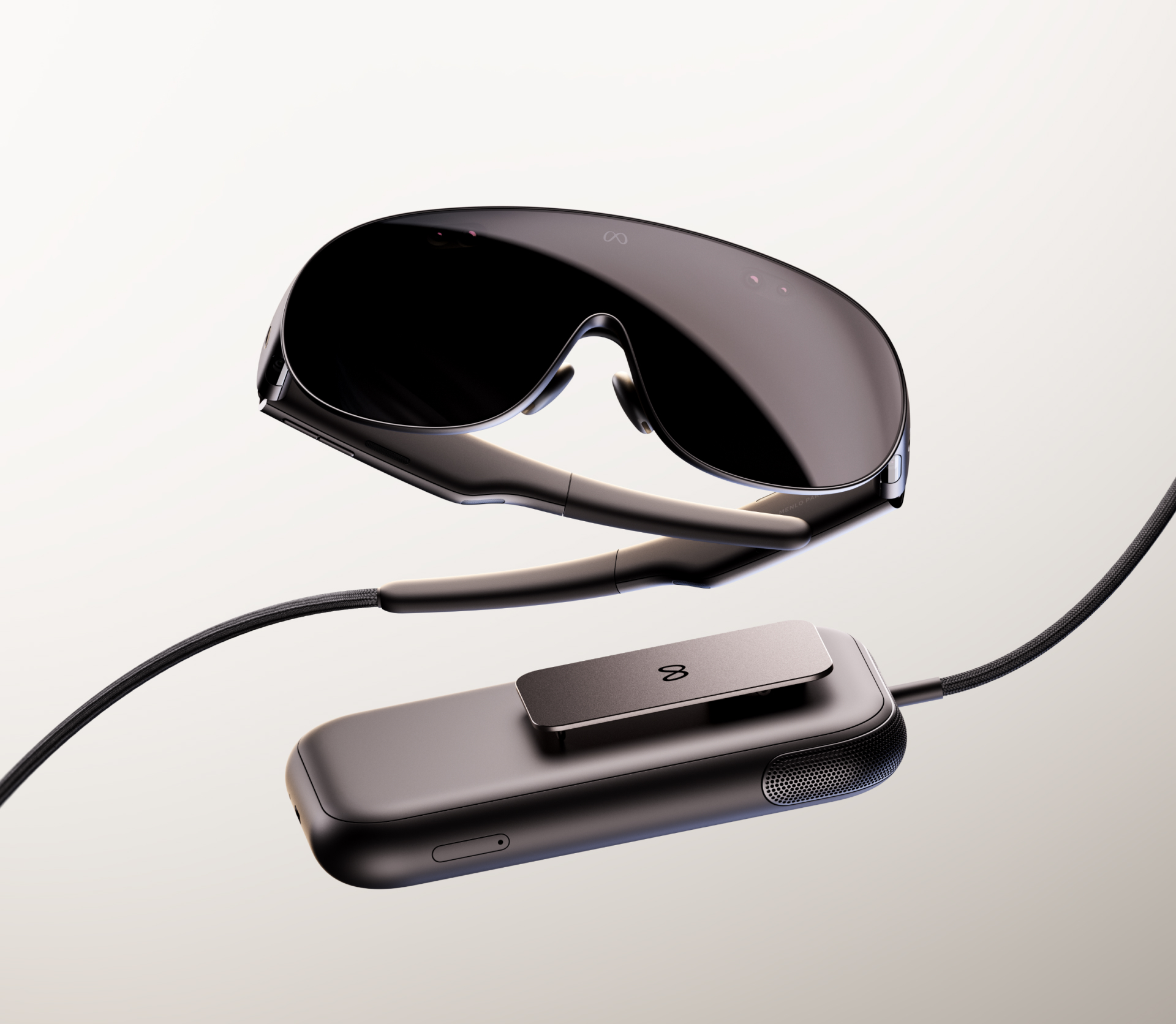
This angle is DISTINCT from Meta’s September 23 keynote sheet. The news then was price, weight, and a Spring 2027 on-sale window. Hollister’s October 1 piece is about WEARABILITY psychology: peripheral vision, hair and makeup, planes and parks, and why opaque GOGGLES still FAIL people who will not isolate from kids, pets, or strangers.
Passthrough Glasses, Not Transparent AR
Transparent AR has been the industry PROMISE for a decade. Hollister walks that history — Google Glass’s postage-stamp display, HoloLens field-of-view climbs, and today’s Xreal Aura pushing roughly 70 degrees diagonal (closer to 60×40 in practice). Virtual objects still CUT OFF inside the frame, and projected light must COMPETE with the real world unless electrochromic DIMMING kicks in.
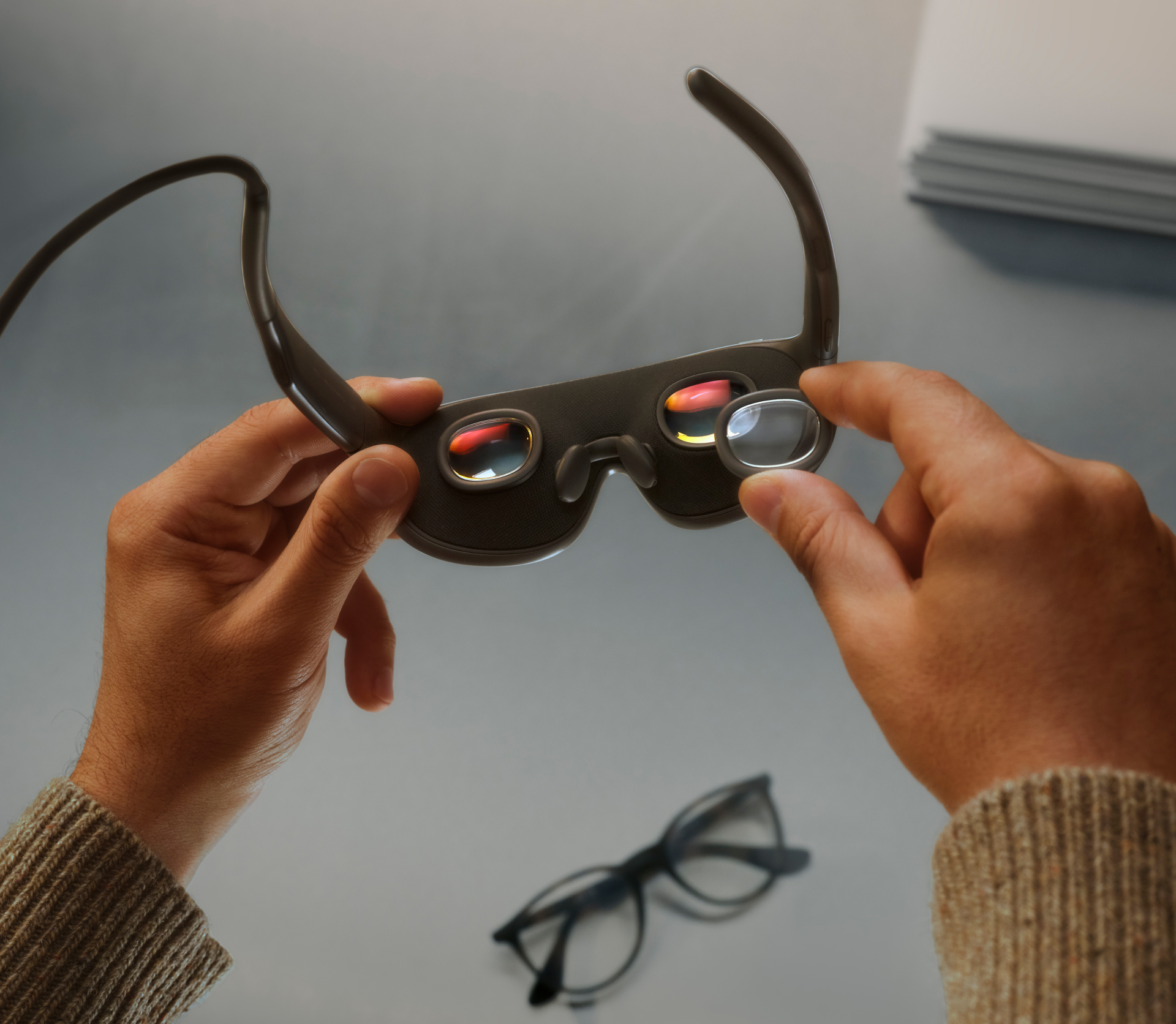
Meta VR Glasses take the OTHER path. They use FULL-COLOR passthrough in the lenses, with open sides so you KEEP naked-eye PERIPHERAL vision around the rims. Hollister’s key claim: real and virtual fields of view finally MATCH inside the display area — virtual content can FILL that frame instead of vanishing at a waveguide edge. Meta quotes about 70×66 degrees and 37 PPD micro-OLED clarity; Quest-class headsets still win raw immersion near 110 degrees horizontal, but they weigh FOUR to EIGHT times as much and fully enclose the face.
Why Form Factor Beats Full Immersion Here
Hollister is BLUNT that 70×66 is not full VR immersion — some enthusiasts will say it is not “true VR” at all. His COUNTER is that the industry’s real BOTTLENECK is not pixels of wraparound presence. It is getting people to PUT ANYTHING on their head. Quarter-pound glasses that leave the real world VISIBLE at the edges, he writes, are a much EASIER sell than a one-pound Steam Frame still shaped like goggles.
Practical barriers land HARD in the piece: long hair, makeup, planes, trains, parks, and parents who cannot afford to feel CUT OFF. Glasses that rest on the ears instead of CLAMPING the skull are presented as the SOLUTION those users have been waiting for — even before true transparent AR can light an entire eyeglass field of view without ghosting.

Official Specs Still Anchor the Story
Meta’s newsroom brief still sets the HARD numbers: about 100 grams on the face, Snapdragon Reality Elite in a pocket puck, up to THREE hours of high-resolution media playback, Dolby Vision/Atmos, and an on-sale target of Spring 2027 at $1,299.99. Controllers are OPTIONAL; hands and eyes are the DEFAULT. Wearables VP Alex Himel, quoted via Victoria Song in The Verge piece, still frames AUGMENTED reality glasses as Meta’s longer-term DESTINATION — which makes today’s passthrough “VR glasses” a transitional BET, not the end state.
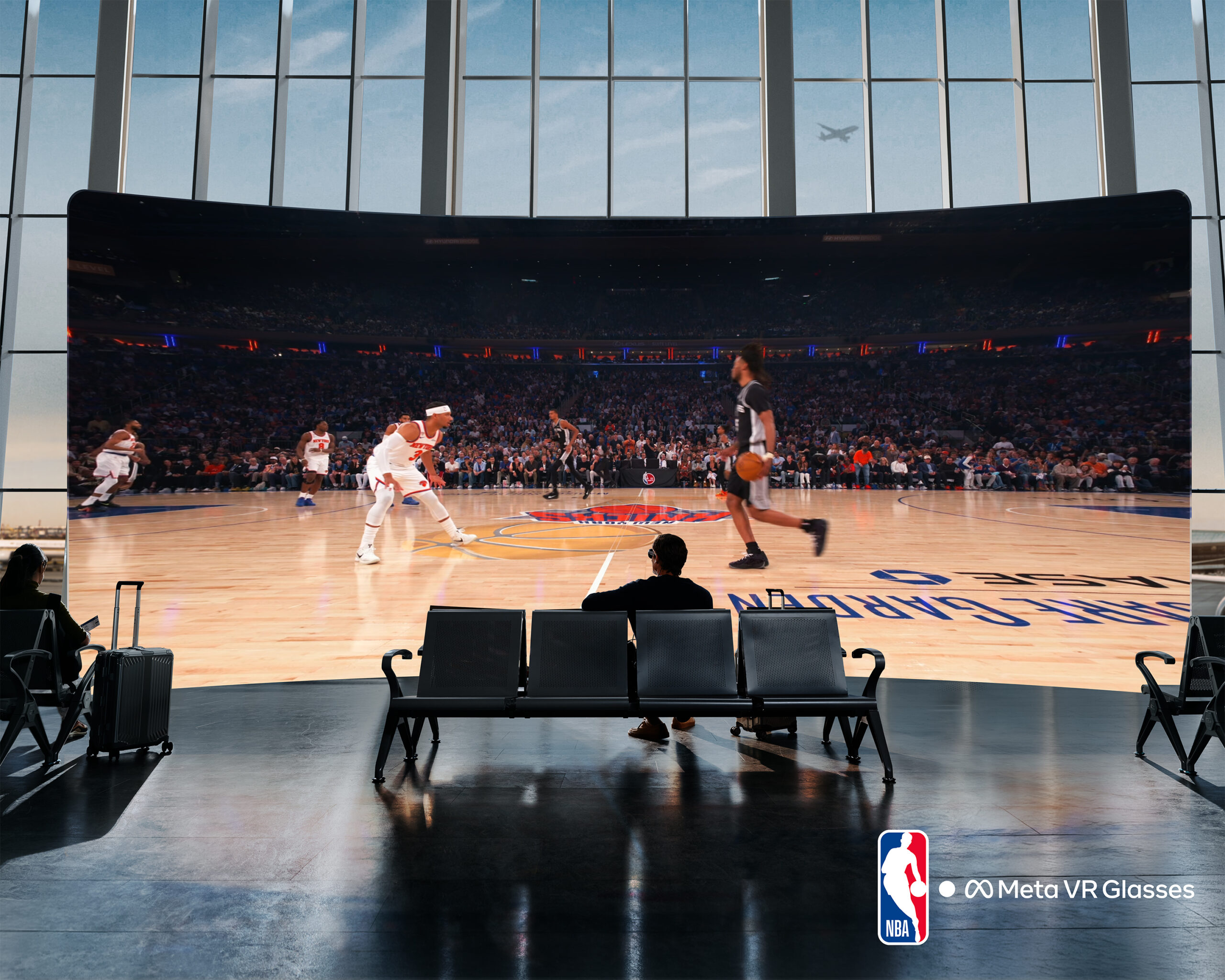
Hollister’s closing suspicion is industry COPYCATS: even readers who skip Meta’s $1,300 sticker may soon see rivals chase the SAME open-air passthrough glasses FORMULA. Until Spring 2027 units SHIP, that thesis stays a hands-on argument — but it is the SHARPEST October 1 take yet on why Meta ABANDONED another Quest-shaped headset for something that looks like eyewear.
Sources: The Verge — “Can VR glasses save VR?” (Oct 1, 2026); Meta Newsroom — Introducing Meta VR Glasses (Sept 23, 2026).