Niantic Spatial just gave Gaussian splat captures a WEATHER DIAL. On September 18 the company opened a BETA for selected design partners that can RELIGHT a real-world splat — dawn, fog, wet pavement — without sending a team back into the FIELD.
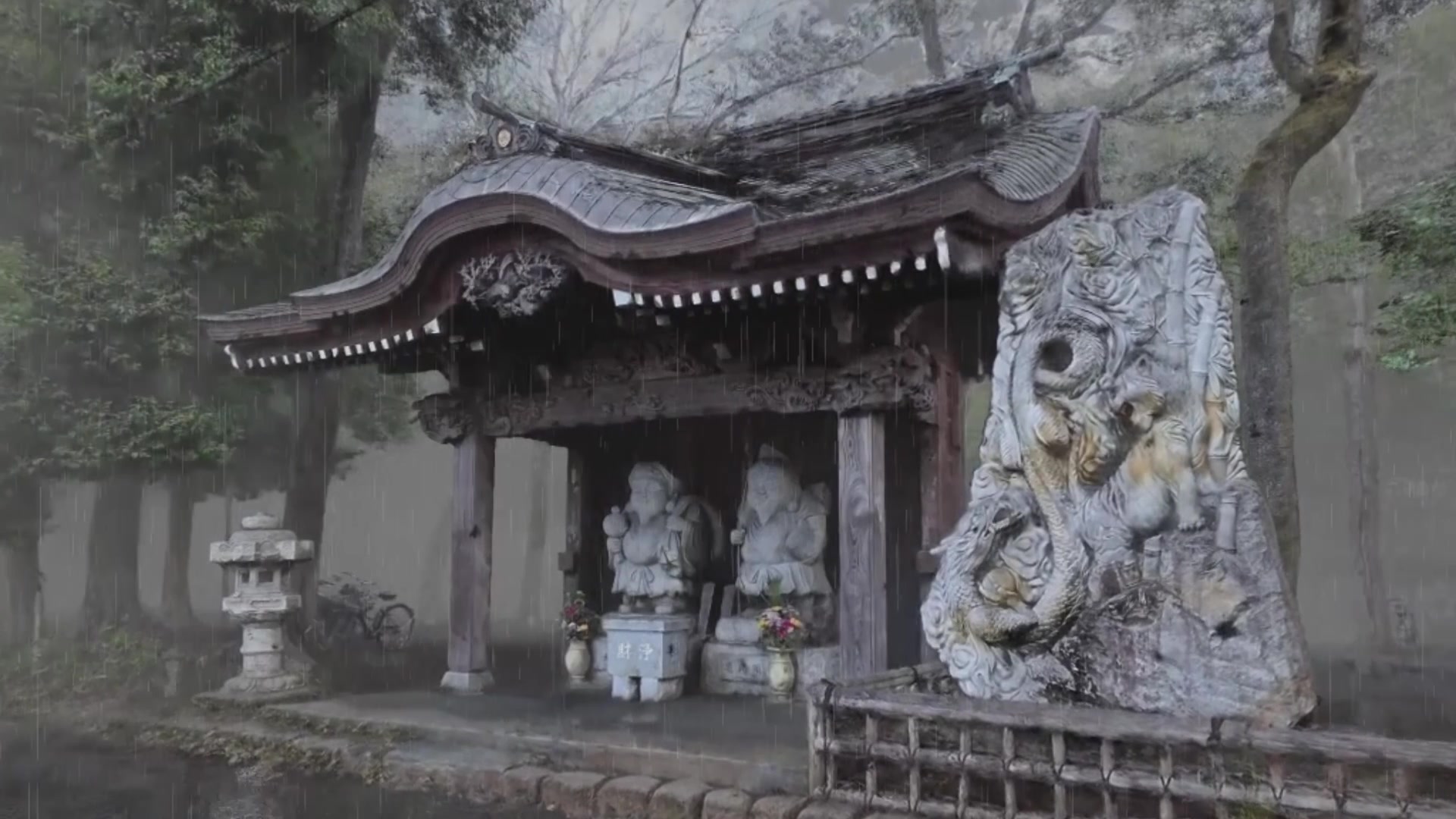
That matters because splat lighting is usually BAKED. The sun, shadows, and atmosphere you captured are FROZEN into the appearance. For robotics SIMULATION and embodied AI, one STATIC look is a LIMIT, not a feature.
What Ships in the Beta
Niantic’s Embodied AI team describes an offline workflow, not a public API. Partners bring a Gaussian splat plus its aligned .glb MESH. The mesh takes physically based sky lighting; precomputed radiance transfer bakes shadows and ambient occlusion; those coefficients transfer onto the individual Gaussians.
Geometry stays FIXED. Collision meshes, navigation meshes, and semantic LABELS carry over. Only the per-Gaussian spherical-harmonics appearance changes. Across variants, teams get controlled ILLUMINATION without a new CAPTURE pass.
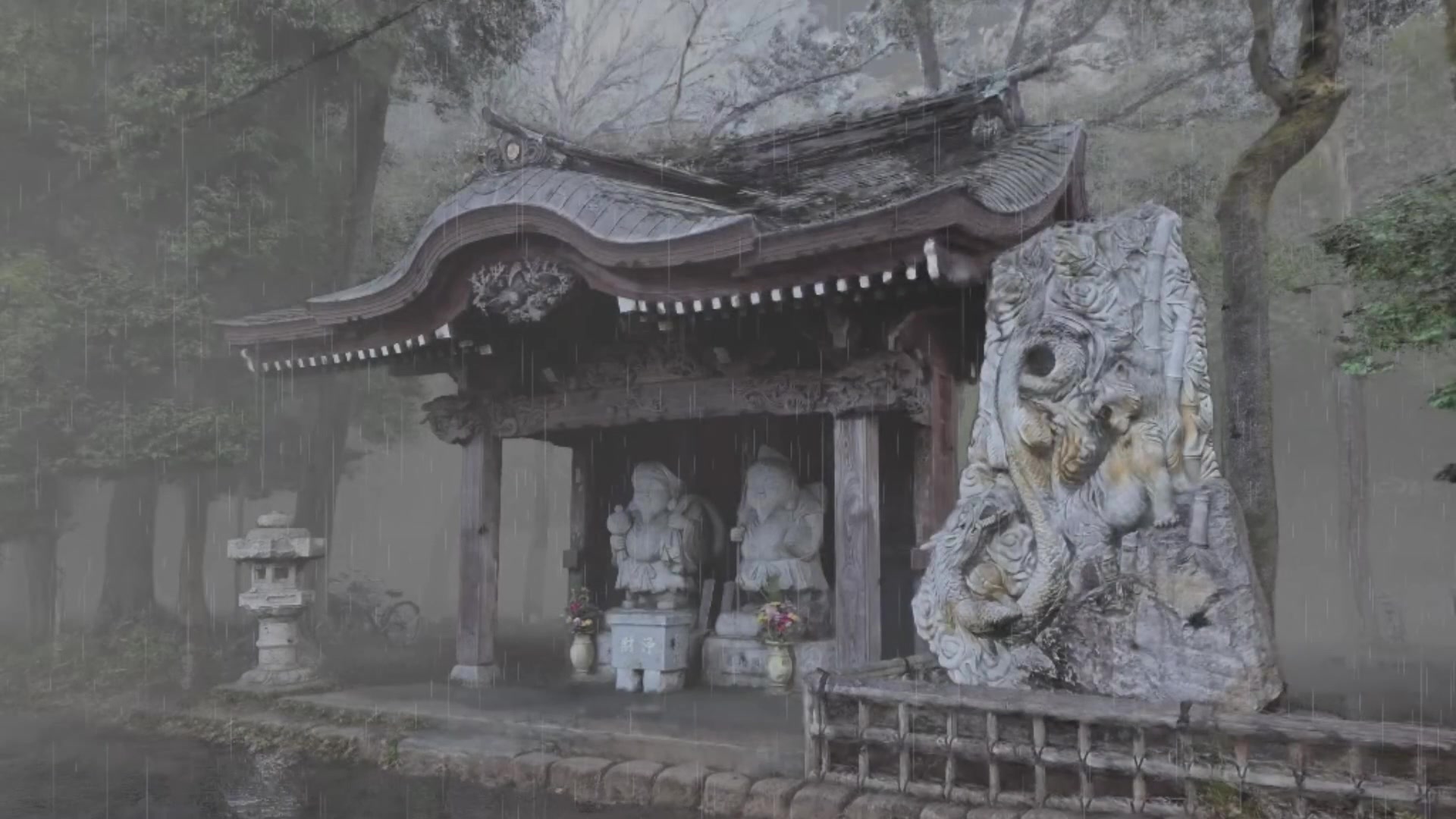
Early partner demos already show TIME-OF-DAY shifts, atmospheric fog and humidity dimming, rain-oriented looks, and wet-ground reflections. Niantic is clear that hard interiors, glass, and sharp geometry still need MORE VALIDATION than leafy outdoor scenes.
Why Mesh Quality Decides It
The company leans on research precedent — including the 2024 PRTGS paper on radiance transfer for splats — but the PRODUCT move is tying that idea to its real-to-sim pipeline. Relighting is only as good as the UNDERLYING MESH. Bad geometry shows up as ARTIFACTS once you force a new sun angle.
Natural scenes can MASK small errors. Flat floors and windows do not. That is why the beta is COLLABORATIVE: Niantic and each partner pick a scene, Niantic generates variants, partners score them inside their own simulators, and feedback drives the next RENDERER pass.
Domain Randomization Without More Collection
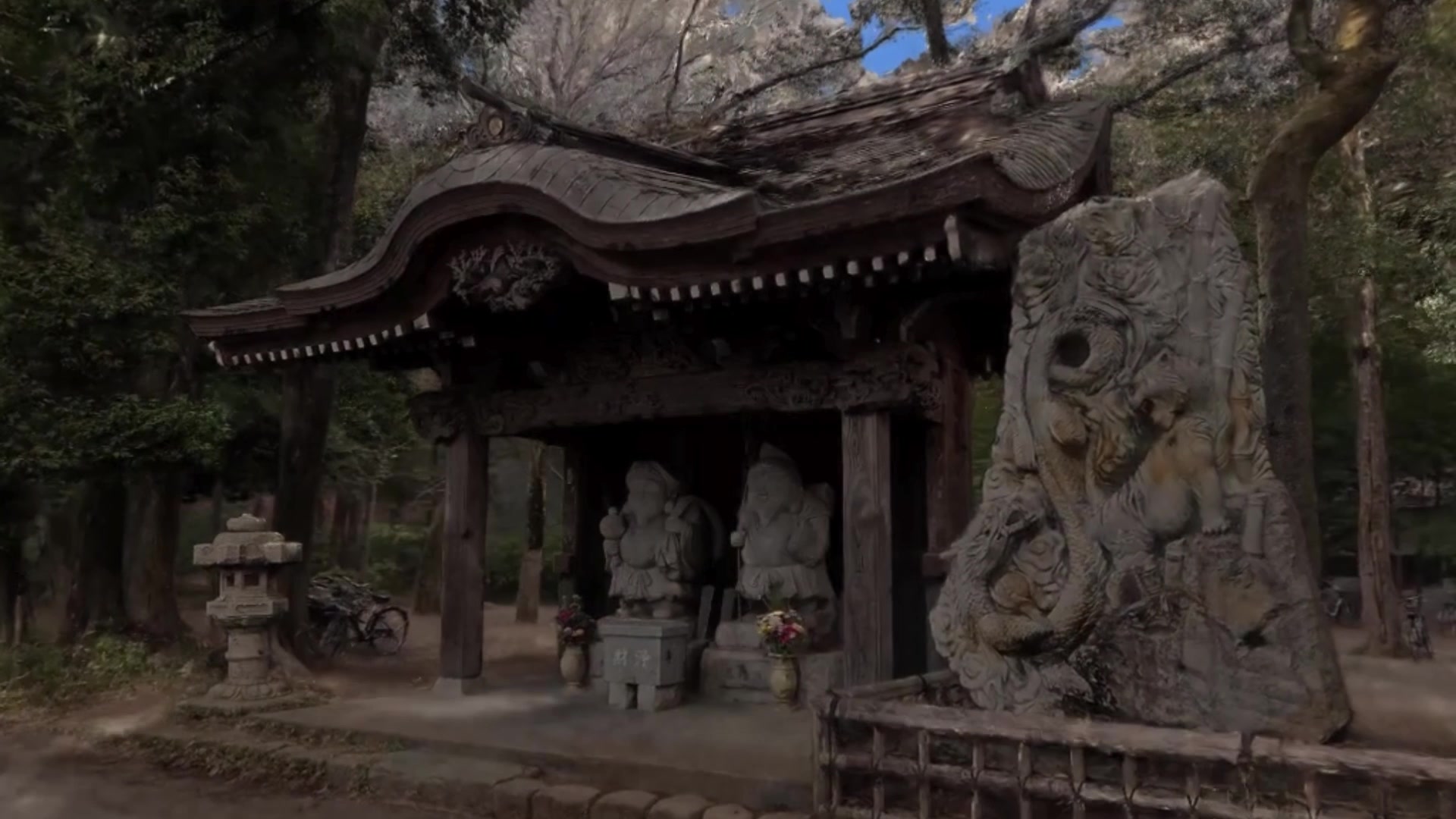
The strategic pitch is blunt: treat real places as VARIATION SUBSTRATES. One Scaniverse-class capture becomes MANY lighting days for TRAINING and testing agents. That is CHEAPER than re-scanning at every hour and weather window, and it keeps the VISUAL FIDELITY that made Gaussian splats useful in the first place.
This is still early. There is no self-serve ENDPOINT, no public PRICE, and no named partner list. For teams already on Niantic Spatial’s reconstruction stack, the beta is the first concrete path from a single photoreal capture to CONFIGURABLE environments. Everyone else waits for the workflow to HARDEN.