At Meta Connect 2026, HOLOGRAM STOPPED being a lab promise and became a SHIPPING feature on Meta VR Glasses. The glasses arrive SPRING 2027 at $1,299.99, and for the first time Meta is putting its long-running CODEC AVATARS research into a CONSUMER product path that reaches both SPATIAL callers and ordinary phone screens.

UploadVR (David Heaney) reports that Meta VR Glasses will feature the FIRST implementation of Hologram, Meta’s realistic avatar stack. The LAUNCH package is deliberately split. On flatscreen apps such as WHATSAPP, you join as a photorealistic, FACE-TRACKED avatar. Inside Meta VR Glasses calls with other glasses owners, you appear as a full-scale spatial Hologram. Meta says QUEST 3 support comes later on the same roadmap.
Launch Reality: Stereoscopic, Not Volumetric
The important constraint is geometric, not COSMETIC. At spring launch, spatial Hologram is a TRUE-SCALE stereoscopic stream seen from a fixed FRONT ANGLE — what Heaney describes as a “2.5D” billboard, not a walk-around 6DOF volume. Change your vantage and the other person still faces you head-on. Meta plans to EVOLVE that stream into a true six-degree-of-freedom capture after launch, then make Hologram the DEFAULT platform avatar, effectively SUPERSEDING today’s cartoon Meta Avatars.
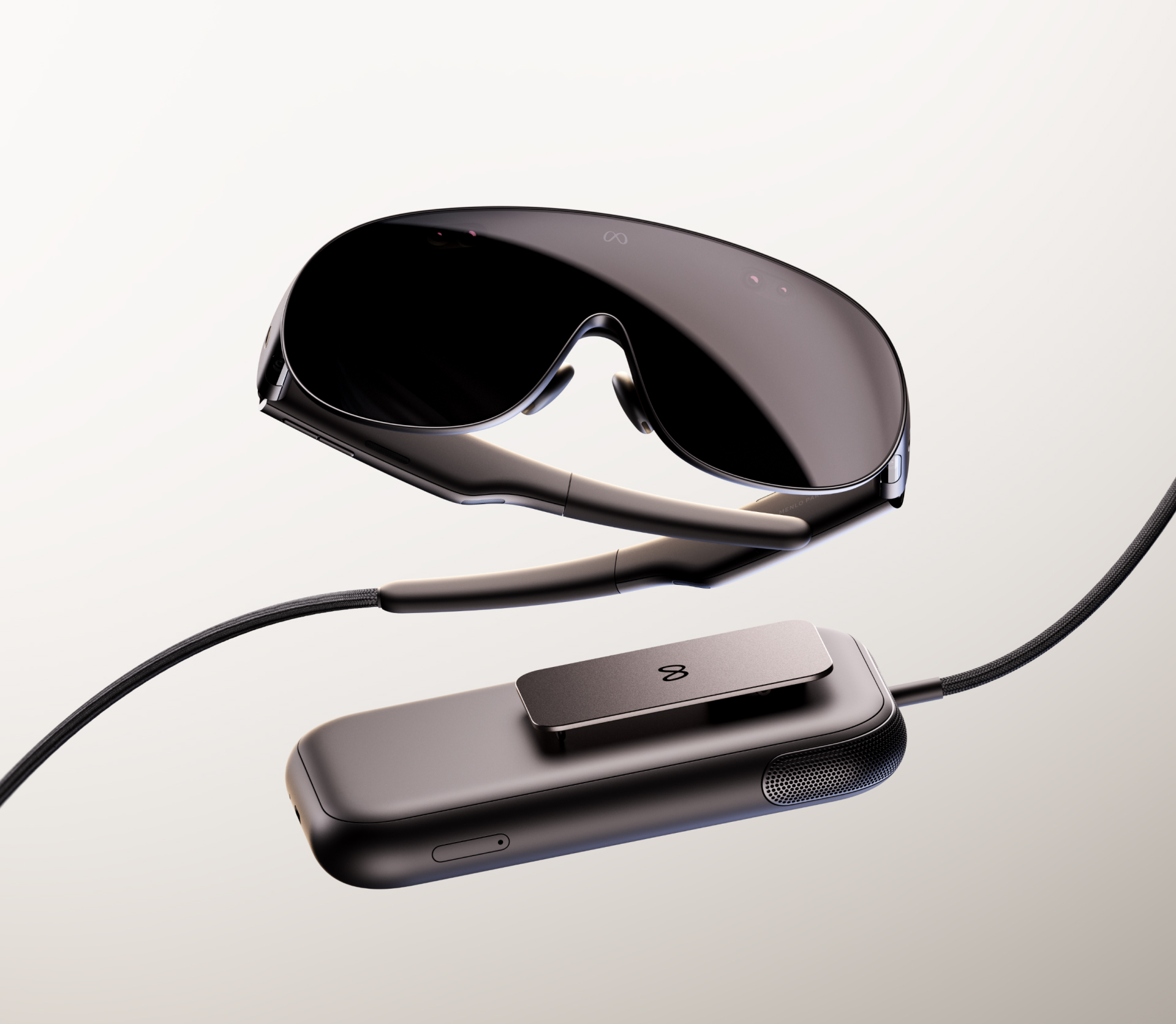
Meta’s own Newsroom brief frames the same idea in consumer language: a photorealistic digital you, with REAL-TIME expressions, for HANDS-FREE calling. When a hologram appears in Meta VR Glasses, spatial audio places the voice where that person stands. Callers on a mobile phone or computer still see your hologram on their SCREEN. Meta says the stack works across calling apps from WhatsApp to ZOOM.
Setup Path and Ray-Ban Display Early Access
According to Meta’s Connect wrap-up, creating a hologram starts with a quick SELF-CAPTURE on your phone. Hologram lands on Meta VR Glasses at spring ship, and Meta is also rolling EARLY ACCESS in the US on WhatsApp for RAY-BAN DISPLAY users in the coming months. That Display-side Hologram path is adjacent to — not identical with — the glasses’ spatial stream UploadVR details for Connect.
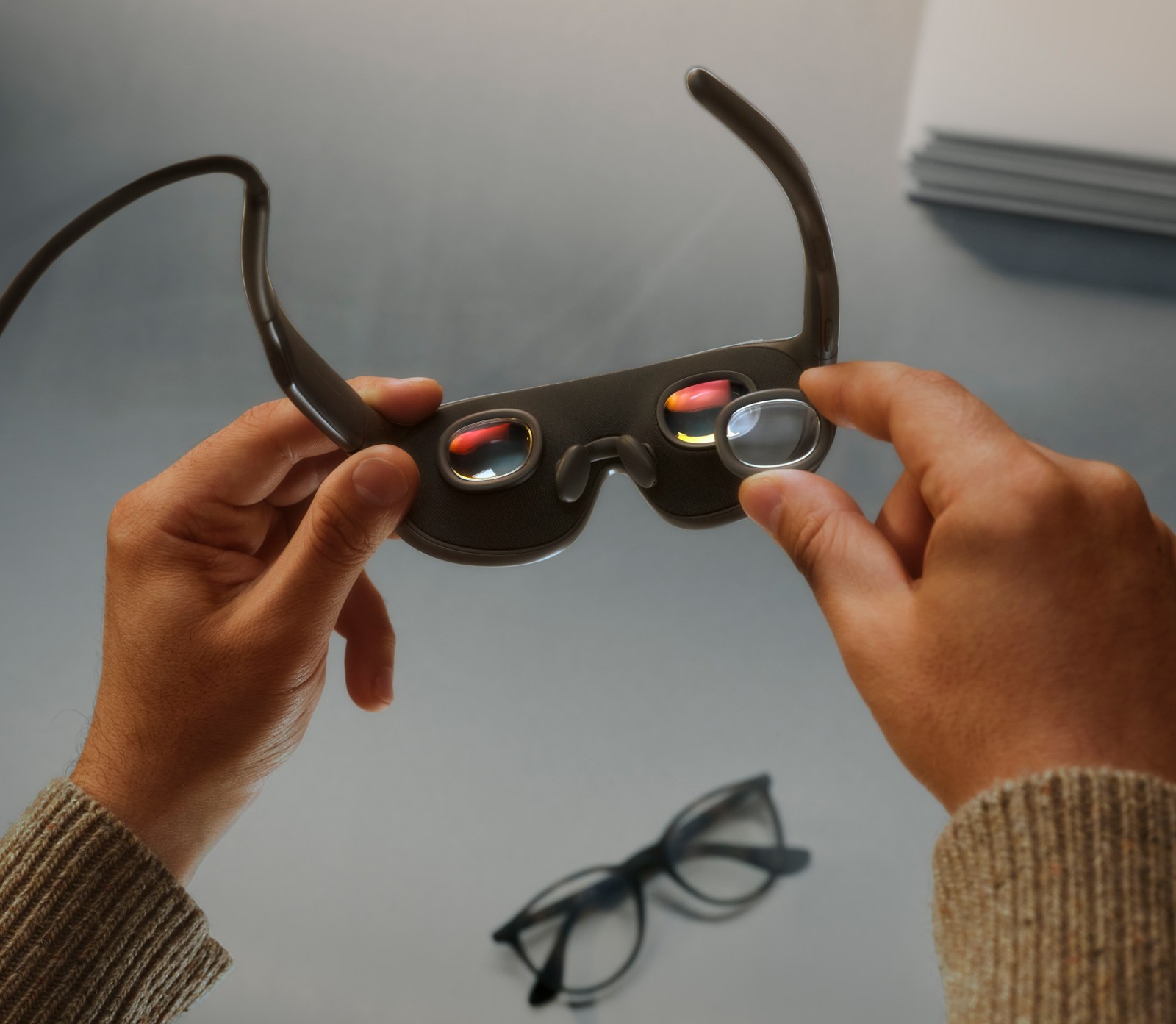
Hardware matters here. UploadVR’s Connect spreadsheet lists FACE TRACKING and four-camera EYE TRACKING on Meta VR Glasses — sensors Quest 3 does not ship. Those inputs are the PRACTICAL reason Codec Avatars can move from research demos into a PRODUCTIZED calling surface on this form factor first.
Light Contrast With Apple Personas
Apple Vision Pro’s PERSONAS already proved that photoreal face proxies can sit inside everyday video calls. Meta’s Connect pitch is BROADER: one capture that bridges phone WhatsApp sessions and in-headset spatial presence, with an explicit post-launch climb toward volumetric 6DOF and a platform-default avatar. Whether the spring “2.5D” stream feels like PRESENCE or like a sharper FaceTime tile will decide how fast that climb matters.
What to Watch After Spring
Three CHECKPOINTS matter more than the keynote reel. First, does the launch stereoscopic stream hold up in mixed rooms with lighting and motion. Second, how quickly Meta ships the promised VOLUMETRIC upgrade and Quest 3 reach. Third, whether Hologram truly REPLACES cartoon Meta Avatars as the default social identity across Horizon and third-party apps, or stays a calling SKIN. Until those land, Hologram is best read as Codec Avatars’ first PRODUCT contract — priced, dated, and constrained — not the finished social layer.

SOURCES: UploadVR — David Heaney; Meta Newsroom; Meta Blog — Everything We Announced at Connect 2026.