UploadVR, citing The Information, reports that Meta COULD SHOWCASE its rumored Project Phoenix headset at Connect 2026 beside a FULL-BODY, photorealistic HOLOGRAM CALL powered by Codec Avatars—with CTO Andrew Bosworth appearing as the HOLOGRAM if plans HOLD.
Official Meta Connect pages frame the two-day conference around AI, wearable technology, and immersive experiences. Engadget’s Karissa Bell notes Zuckerberg’s KEYNOTE at 4pm PT / 7pm ET on September 23, with a developer state of the union at 10am PT / 1pm ET on September 24.
What The Information Says—And What UploadVR Clarifies
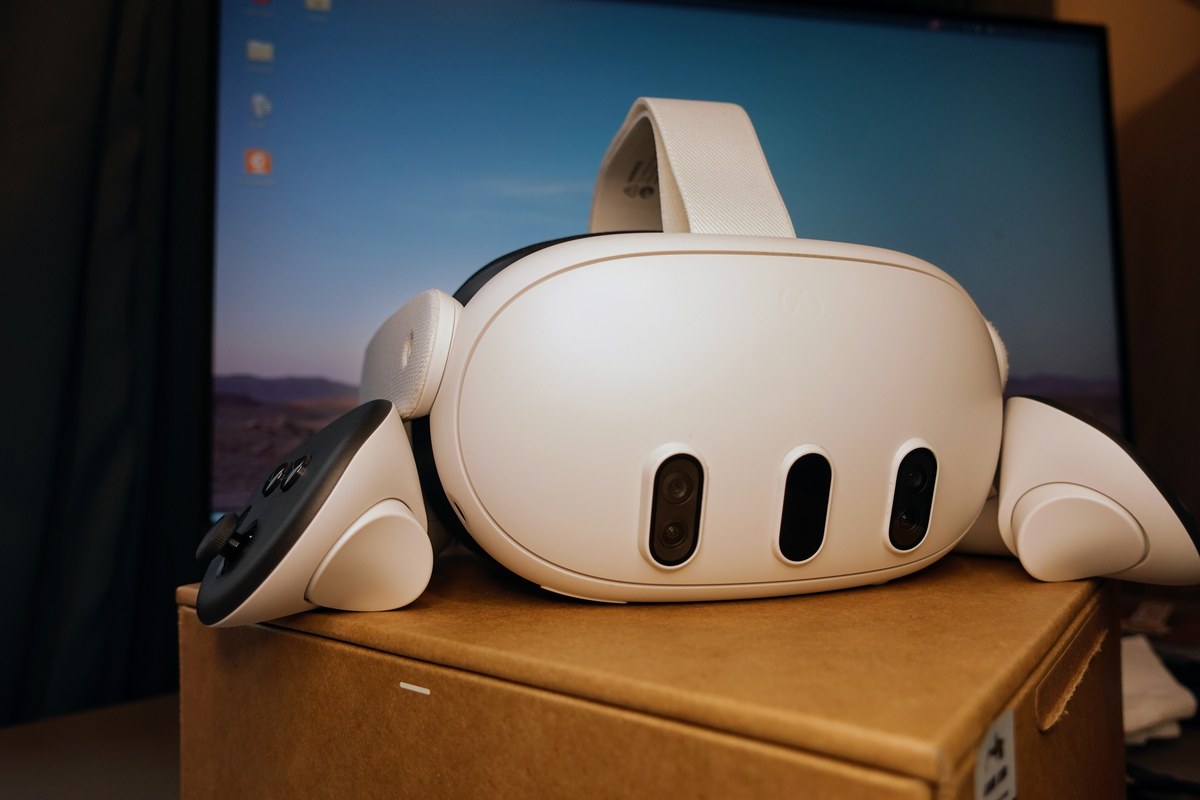
According to UploadVR’s Luna write-up of Jyoti Mann’s reporting, Meta wants Phoenix marketed as a PRODUCTIVITY and ENTERTAINMENT tool: virtual screens and watching films, paired with a glasses-like form and a tethered COMPUTE PUCK. UploadVR FLAGS that the same report appears to MISLABEL Phoenix as “augmented reality glasses.” Prior coverage from UploadVR, earlier Information reporting, and other outlets point to PASSTHROUGH VR / mixed reality—same technical family as Quest 3 and 3S—even if Meta markets the device differently.
Horizon OS firmware strings have even referred to the hardware as “VR Glasses,” UploadVR notes, though that wording is NON-FINAL. The project and its layers have surfaced under the CODE NAMES Phoenix, Stanley, and Loma.
Bosworth as the Hologram
The Information account, as summarized by UploadVR, says Zuckerberg and Bosworth REVIEWED hologram-like video-call work earlier this month. Meta then moved toward SHOWING a FULL-BODY, photorealistic hologram CALL during a LIVE Phoenix DEMO in the Connect KEYNOTE—with Bosworth as the hologram—assuming plans do not CHANGE. That is REPORTING, not a confirmed product roadmap.
Codec Avatars remain Meta’s long-running research bet on photorealistic spatial TELEPRESENCE, driven by face-tracking sensors on VR/MR headsets and, eventually, glasses. The best-known public demo is still Zuckerberg’s VR interview with Lex Fridman, where both used prototype Codec Avatars. Earlier this year Meta published “Large-scale Codec Avatars: The Unreasonable Effectiveness of Large-scale Avatar Pretraining,” describing models that generate FULL-BODY avatars from LIMITED input and drive them via inward-facing and SLAM sensors.

“Hologram Calling” Strings and Firmware Clues
UploadVR also ties the demo rumor to PLATFORM plumbing. Multiple Horizon OS packages appear to contain sub-frameworks for a broader “HOLOGRAM CALLING” system with extensive Codec Avatars references. August 2026 builds of the Meta AI mobile app, UploadVR says, included strings describing setup for a “Hologram” avatar—and seemingly AI-rendered product-tour videos showing hologram-style presence on Ray-Ban Display-like smart glasses.

Engadget’s Hardware Checklist Around Phoenix
Engadget’s Connect preview describes Phoenix as a SLIM, goggle-like mixed reality headset with a visible CABLE to a separate puck in Horizon OS imagery. Hand and EYE TRACKING are rumored in place of a dedicated controller. Engadget also calls Snapdragon Reality Elite a PLAUSIBLE silicon bet for the slimmed form factor. Separately, the same preview expects camera-free Luna-style AI glasses, more on the Muse agent, and notes The Information’s report that an avatar of Meta’s CTO could appear during the KEYNOTE.
None of that locks a SHIP date. UploadVR’s Phoenix deep-dive remains the place for form-factor detail; today’s story is about the DEMO ANGLE: a Codec Avatars hologram call staged on Phoenix, with Bosworth as the remote PRESENCE if Meta keeps the script.
Bottom Line
Connect 2026 is DAYS away. Treat the Phoenix-plus-HOLOGRAM package as CREDIBLE rumor from The Information via UploadVR—not a Meta press release. Watch the September 23 KEYNOTE for whether Bosworth’s photoreal FULL-BODY avatar actually walks onstage through a puck-tethered headset.
Sources: UploadVR (Luna); Engadget (Karissa Bell, Sep 18); Meta Connect 2026.