Valve just OPEN-SOURCED Lepton, the Android compatibility layer that lets VR games built for Android run on the ARM-based Steam Frame. There was no keynote and no blog blast. Linux gaming sites spotted the REPOSITORY on Valve’s SteamOS GitLab, and the CODE is now LIVE for developers to read, build, and fork.

According to GamingOnLinux (September 17) and It’s FOSS (September 18), Lepton is the TOOL the Steam client already ships so most players never touch it. The PUBLIC release targets STUDIOS that want to bring Android and Quest-class VR titles onto Frame without reinventing the container stack.
What Lepton Actually Is
Valve’s own description is BLUNT. Lepton runs Android games inside a Linux CONTAINER with design choices that set it apart from general-purpose projects:
- It runs as a non-root user with no privileged setup.
- Every process inside shares that same user; each game should get its OWN container.
- It DISABLES Android services games do not need, which can break some non-game apps.
- It is not a general Android desktop; it keeps the MINIMUM needed to launch into games.
- It CACHES state to speed Android userspace boot.

Under the hood, Lepton MOUNTS host libraries into the container: Mesa and Zink graphics drivers, Steam and Steamworks, and Vulkan layers that include a FOVEATED rendering injector and a renderpass optimizer. Debugging hooks for strace, gdb, lldb, RenderDoc, and Perfetto are documented for PORTING work. PBX Science notes the stack also pulls components from Waydroid, Anbox, Halium, and Hybris when the Android root filesystem is built.
Two Licenses, One Codebase
Licensing is SPLIT on purpose. The compat tool Steam invokes to launch a title is MIT. The Android rootfs that bundles Waydroid, LineageOS, AOSP, and Boringdroid code is GPL-3.0. That split mirrors how Valve documents Proton-adjacent open stacks: the LAUNCHER path stays permissive; the system image inherits copyleft from upstream Android work.
Where It Sits on Steam Frame
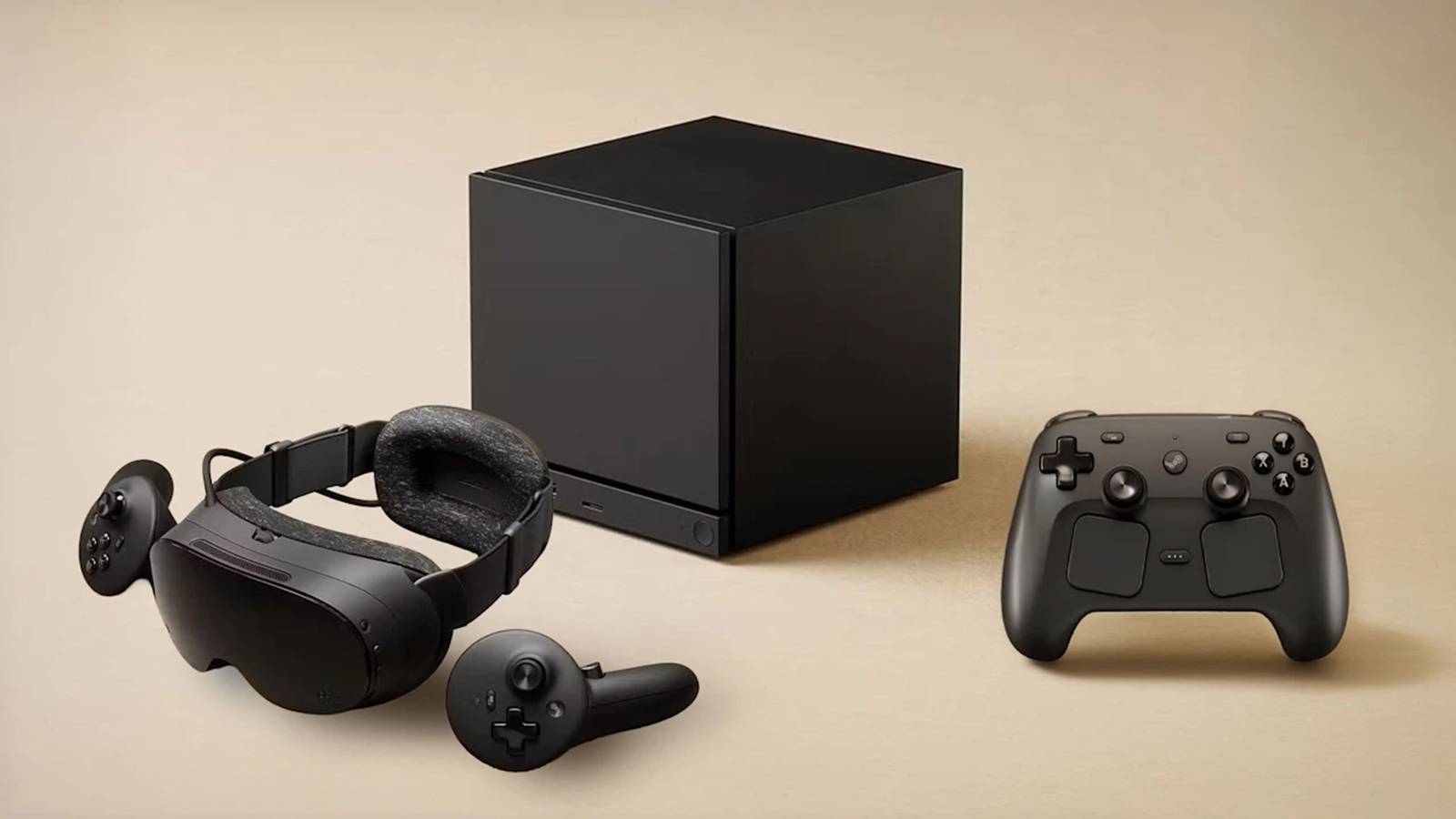
Frame’s software story is THREE layers. Lepton covers Android. FEX translates x86 to ARM. Proton covers Windows titles. GamingOnLinux reported Lepton and FEX showed up as Steam tools in early August; BOTH are now OPEN. Earlier Metaverse Watcher coverage already counted Lepton’s share of the “Great on Frame” badge. The NEWS this week is the SOURCE DROP itself, not another catalog tally.
For developers, the practical upshot is INSPECTION. Studios porting Quest Android builds can read how Valve wires Vulkan foveation, Steamworks, and rootless containers. Community FORKS are possible the way Proton-GE grew around Proton, though Valve stresses non-VR use cases were never the focus and may lack polish.
Why It Matters
Steam Frame launched September 14 at $1,059 / $1,299. Opening Lepton DAYS later signals that Valve wants the Android VR PIPELINE to be AUDITABLE, not a black box. If you build spatial titles on Android API paths, the REPO is now the AUTHORITATIVE place to see how Frame expects those builds to boot.
Sources: GamingOnLinux, It’s FOSS, PBX Science, Valve SteamOS GitLab (Lepton project).