Amazon is SCALING its AI-powered Smart Delivery Glasses across the last MILE. In a September 21 update tied to its Delivery Service Partner program, the company said it is DEPLOYING an additional 5,000 devices this YEAR and expects MORE THAN 20,000 units in the FIELD by the end of 2027.
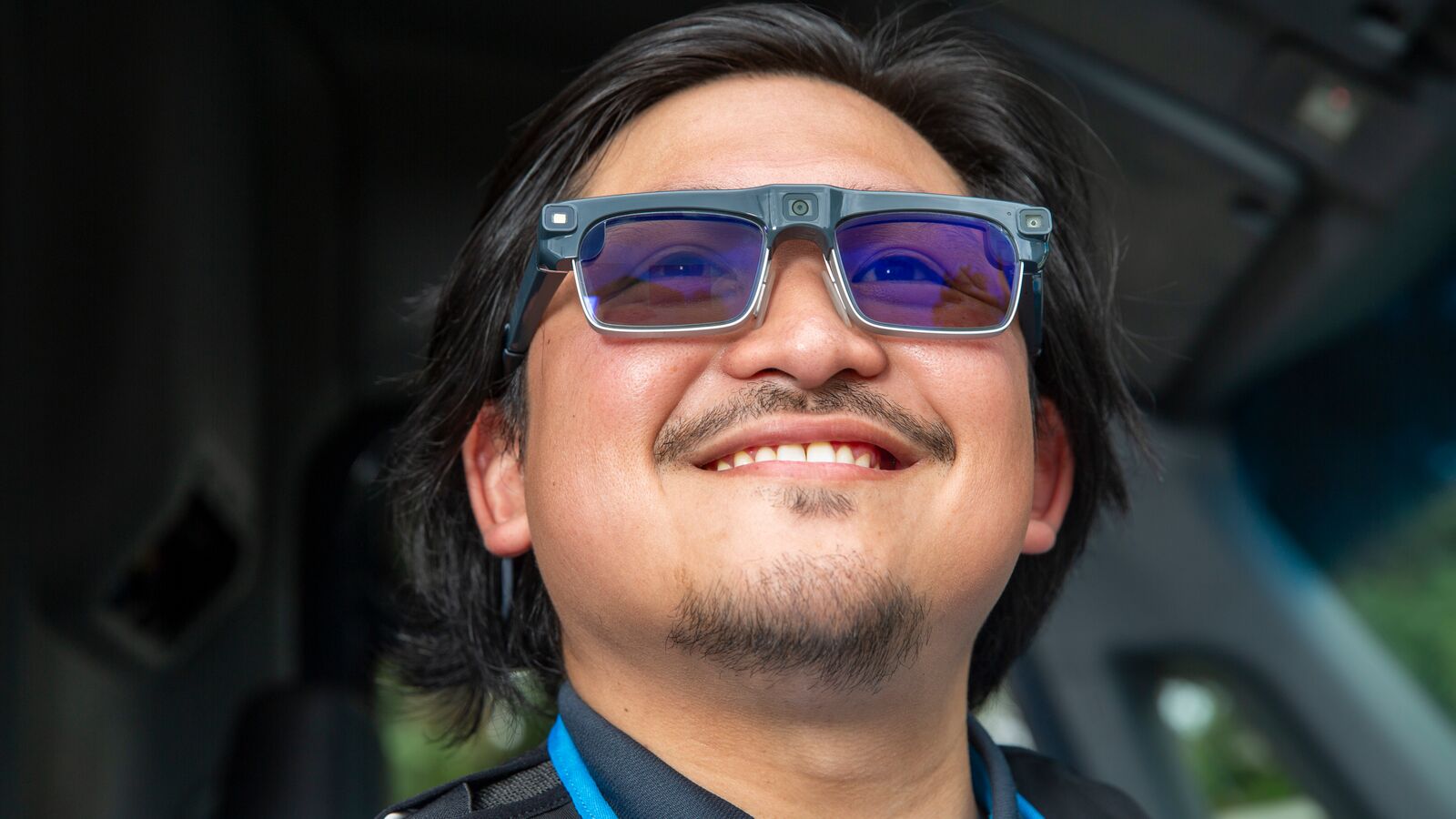
That COUNT is the NEWS for XR watchers. Consumer AR headlines this week have been dominated by Meta Connect and Snap Specs. Amazon’s move is quieter and more OPERATIONAL: a VOLUNTARY wearable already used on more than 275,000 customer deliveries, now being pushed from PILOT scale into NETWORK scale.
What the Glasses Actually Do
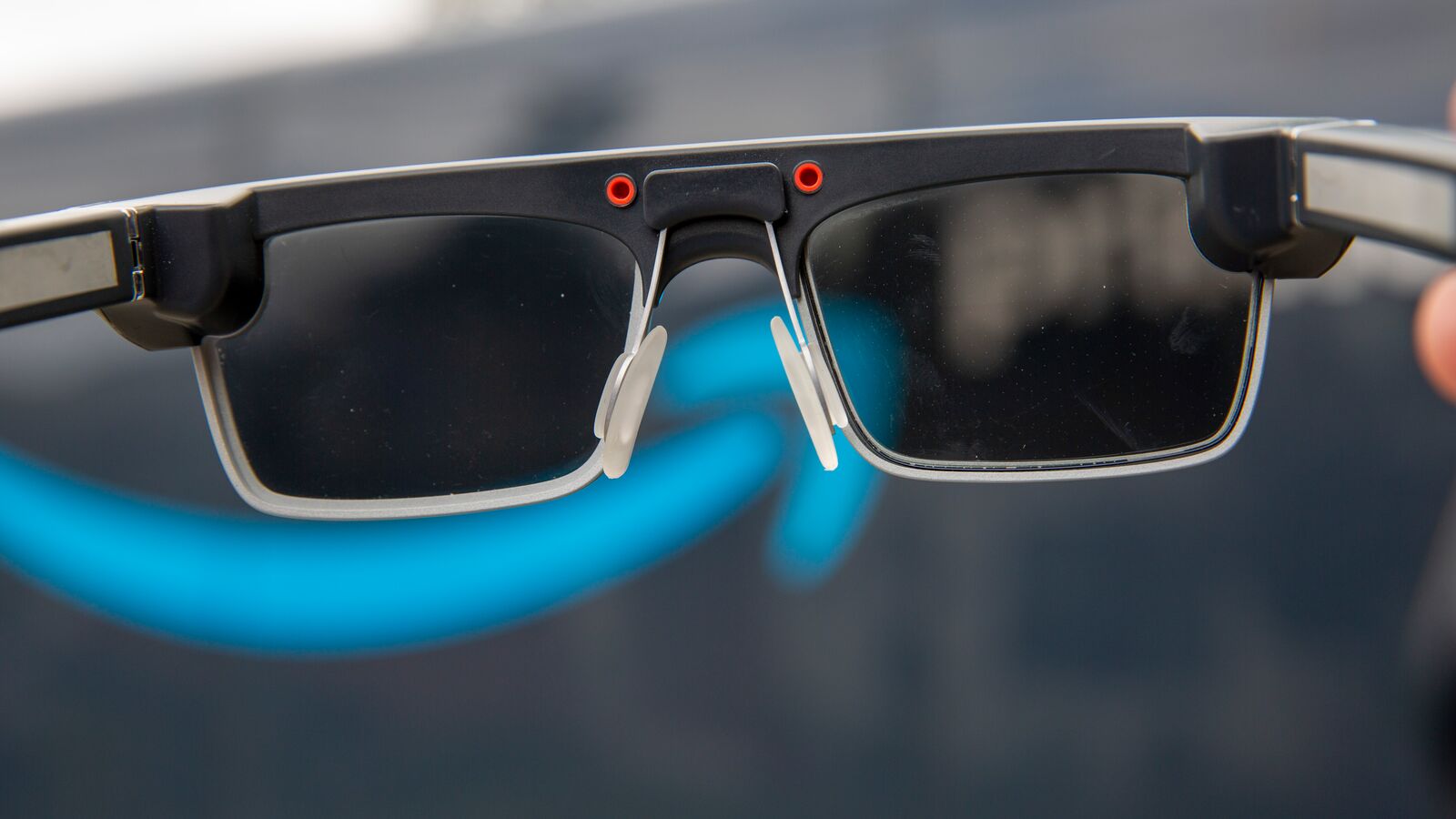
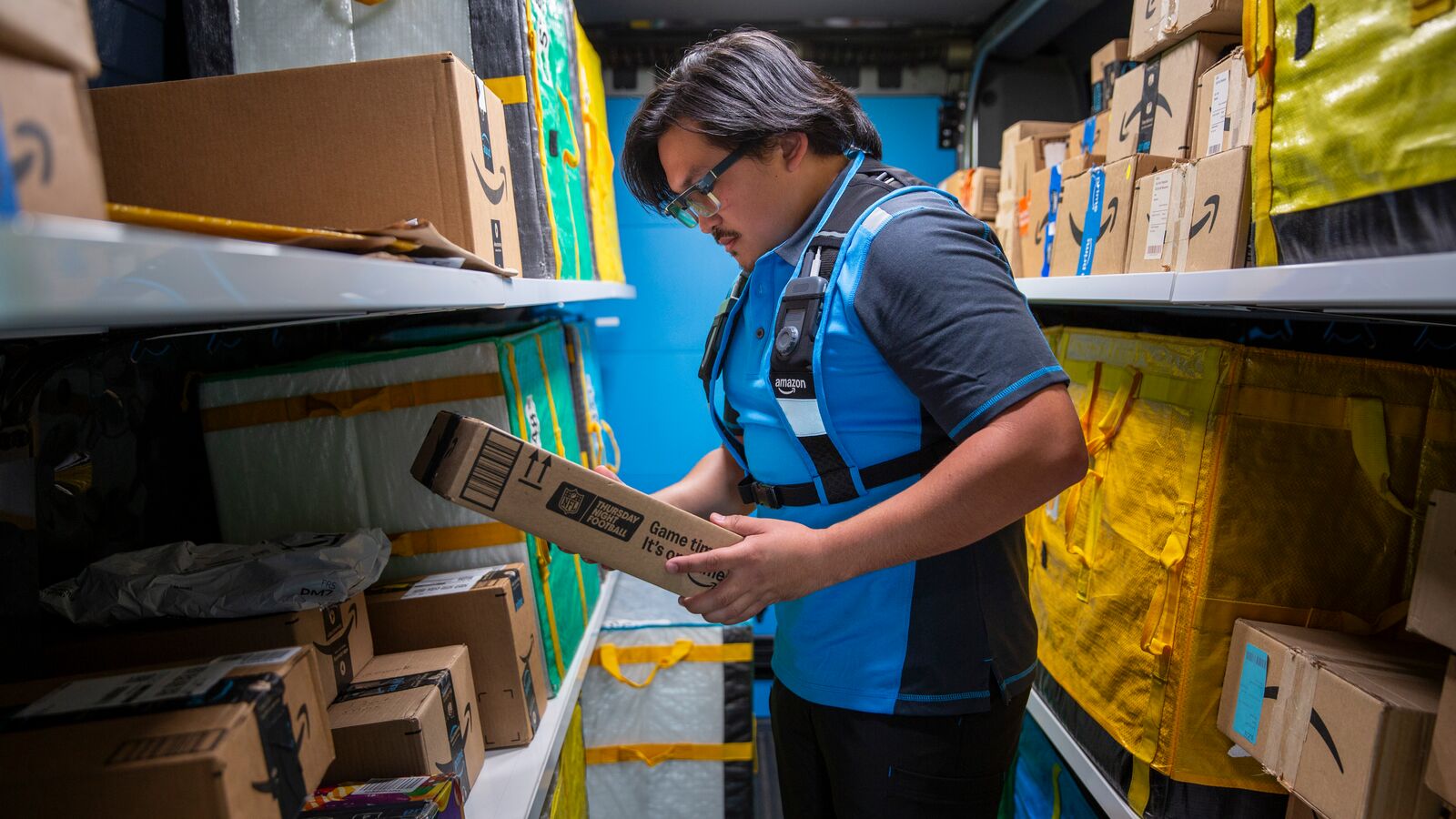
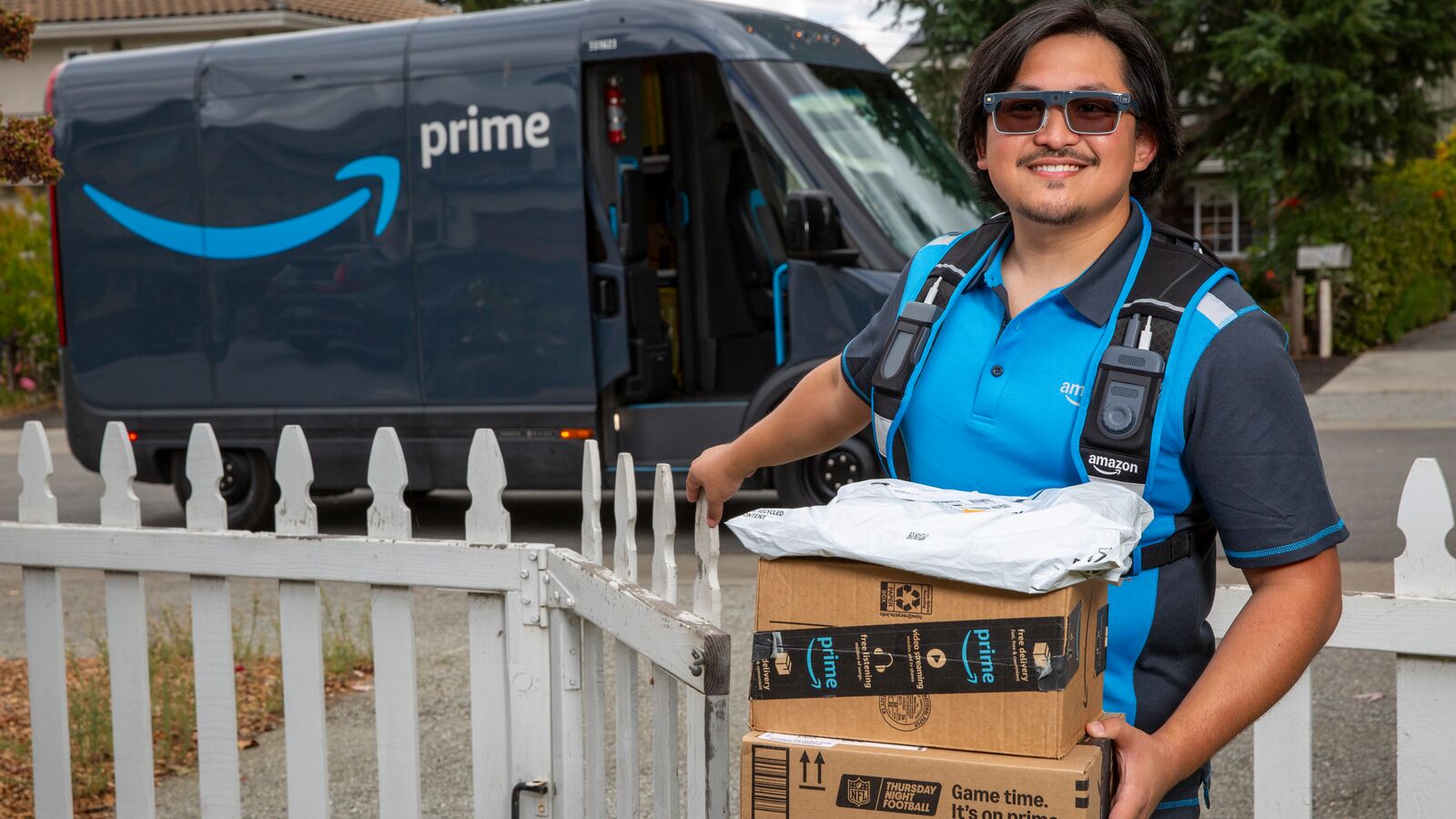
Per Amazon’s About Amazon product post (updated September 21, 2026) and the matching DSP press release, the glasses use COMPUTER vision and AI sensing to put NAVIGATION, package CONTEXT, and HAZARD cues in a Delivery Associate’s line of SIGHT. After a safe park at a stop, the system activates automatically and guides the driver from van to DOOR without constant PHONE glances.
Amazon lists a practical feature set aimed at the last hundred yards rather than a showroom DEMO:
- HANDS-FREE package scanning
- Heads-up WALKING directions via precision geospatial maps
- PROOF-OF-DELIVERY capture without pulling out a phone
- PET alerts (paw icon plus audio) when data suggests an animal at the stop
- REAL-TIME defect detection if a package lands at the wrong address
- Proactive ADDRESS verification, an LED headlamp, and prescription or transitional lens support
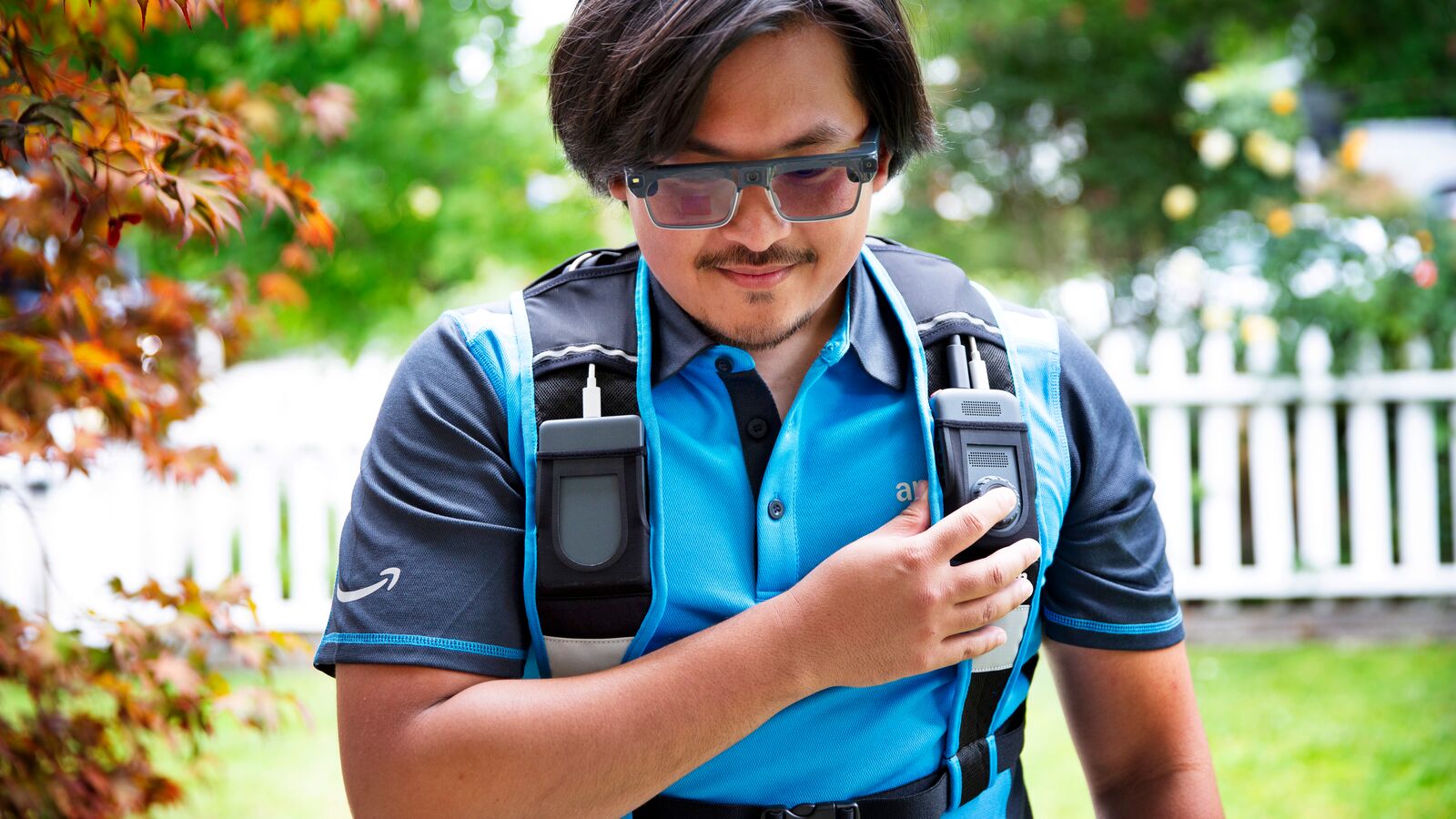
A small CONTROLLER rides in the delivery VEST with operational controls, a SWAPPABLE battery for all-day use, a hardware privacy SWITCH, and a dedicated EMERGENCY button. Amazon stresses that use is VOLUNTARY for both DSP owners and their teams of Delivery Associates. That matters for workplace adoption: the company is not framing the glasses as a mandated uniform item, at least not in the September materials.
Why This Matters Beyond Logistics
Enterprise AR has spent years promising hands-free WORKFLOWS. Amazon’s deployment puts a CONCRETE number on that promise: tens of thousands of glasses planned for daily outdoor ROUTES, not a wet-lab demo. FreightWaves (September 24) and Retail Customer Experience (September 24) both frame the glasses as one piece of a wider SAFETY and AI stack that also includes surround-view cameras on Rivian vans, dynamic hazard alerts in the Delivery App, and Wellspring generative MAPPING.
Wellspring, Amazon says, has identified 202 million parking locations, mapped 2.8 million building ENTRANCES, and cataloged 85,000 mailrooms and LOCKERS since 2024. The glasses sit on top of that MAP layer: HUD instructions only help if the world model is accurate enough for apartments, gated communities, and last-hundred-yard EDGE cases. In other words, the wearable is the INTERFACE; the geospatial backend is the PRODUCT.
For the broader XR industry, that split is the interesting SIGNAL. Consumer smart glasses still argue over fashion, FOV, and battery hours. Amazon is arguing about DWELL time at the door, WRONG-ADDRESS rates, and whether a driver looks down at a phone while carrying a package. Those are metrics logistics teams already track. If the glasses move those numbers, procurement follows even when the hardware looks unglamorous next to a $1,299 Meta VR Glasses pitch.
Scale, Timeline, and Guardrails
Amazon first SHOWCASED the glasses in October 2025. Over roughly 18 months, more than 500 Delivery Associates tested them on live routes. The September 2026 update converts that PILOT into a multi-year ROLL-OUT: plus 5,000 devices this year, with a TARGET of more than 20,000 by the end of 2027. That remains a FRACTION of Amazon’s last-mile workforce, but it is one of the largest publicly numbered outdoor AR DEPLOYMENTS in North America.
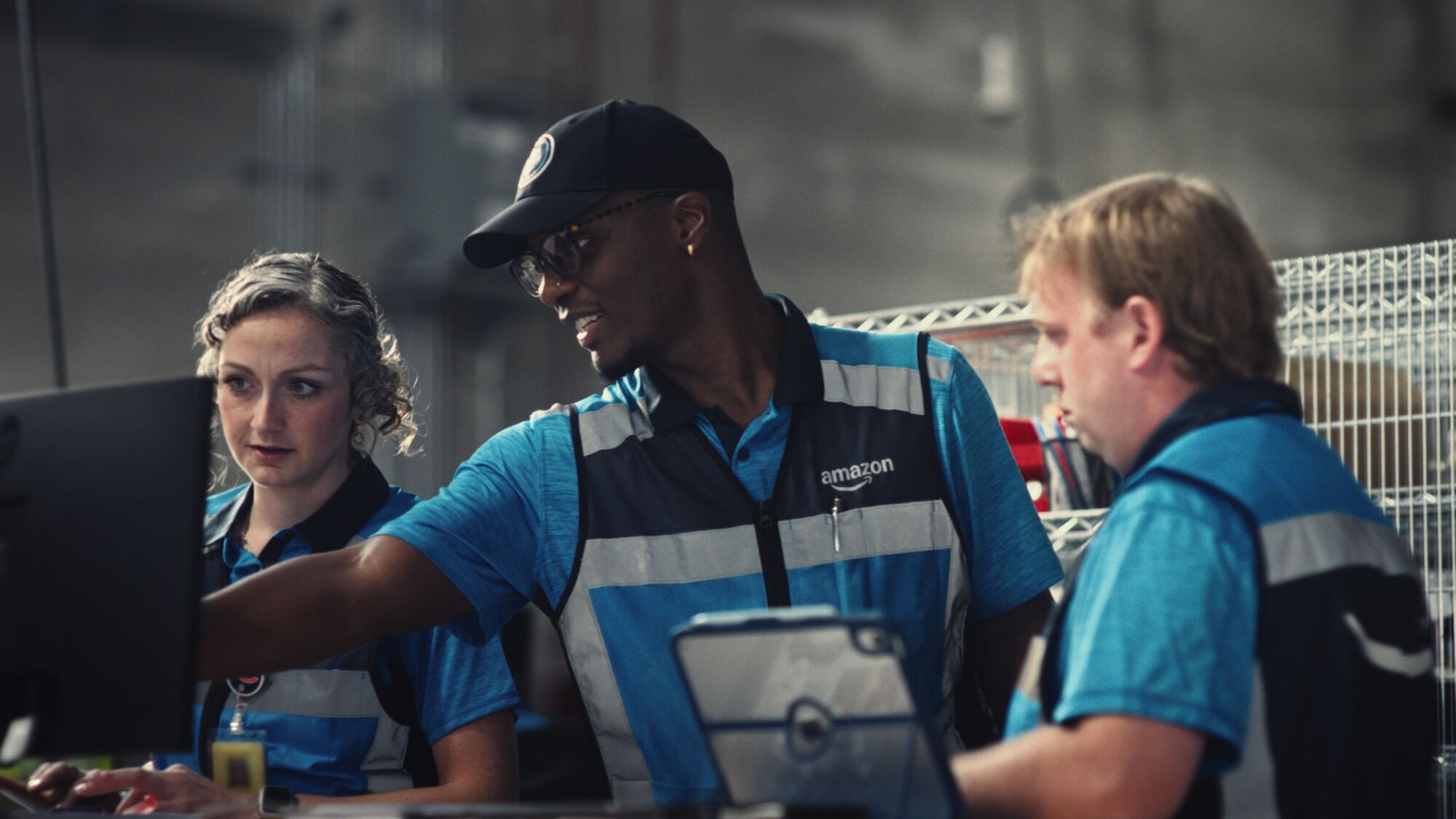
The same DSP announcement wrapped the glasses inside a $1.9 billion 2027 investment package and more than $543 million in safety spend since 2022, with Amazon claiming serious crashes fell more than 23% last year. Those SAFETY claims belong to Amazon’s press narrative; what XR coverage can VERIFY is the product ROADMAP: heads-up delivery glasses, voluntary adoption, new features such as the LED headlamp and address verification, and a firm DEVICE count target through 2027.
None of that makes Amazon a consumer AR brand overnight. It does put another large OPERATOR into the same hardware conversation as Snap Specs, Meta Ray-Ban Display, and Android XR reference designs — except Amazon’s buyer is its own delivery NETWORK, and the success metric is PACKAGES per HOUR, not app-store DOWNLOADS.
Sources
- Amazon press release — DSP investment and Smart Delivery Glasses scale (Sep 21, 2026)
- About Amazon — Smart Delivery Glasses product update (updated Sep 21, 2026)
- FreightWaves — safety tech and glasses expansion (Sep 24, 2026)
- Retail Customer Experience — Amazon expanding smart glasses (Sep 24, 2026)