Meta’s browser toolkit for immersive apps just LEFT early access. On September 24, the Immersive Web SDK shipped as version 1.0, and the CHANGE developers will notice FIRST is GAZE-and-PINCH — look to TARGET, pinch to SELECT — without a controller in either hand.
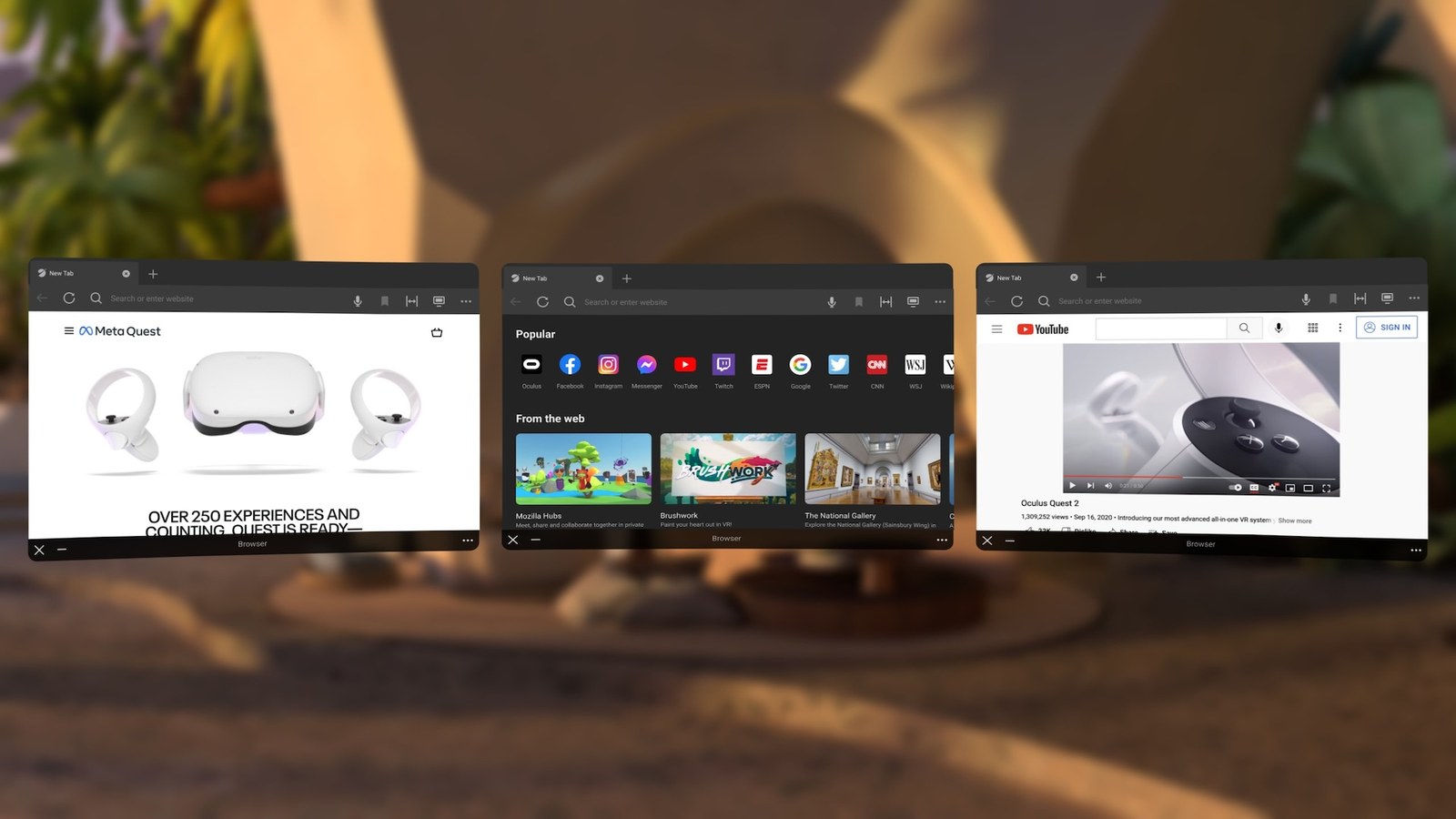
Meta Quest Browser is the host surface for WebXR experiences on Quest. Image: Meta / Mixed-News
Mixed-News (Michael Zelich, Sep 28) ties the release to Horizon OS WebXR notes that day: gaze-and-pinch is “integrated with existing RayInteractable and grabbing systems,” alongside depth-session cleanup, scene mesh UPDATES, and runtime STABILITY work. The npm registry lists @iwsdk/core 1.0.0 on the SAME calendar day — confirming the package left the release-candidate track for a numbered 1.0.
Controller-free input moves into the browser
Gaze-and-pinch is the interaction Apple made FAMILIAR on Vision Pro: eyes choose, a thumb-index PINCH commits. Meta has pushed controller-free input on Quest for YEARS, including microgestures in 2025. Putting that MODEL into a WebXR toolkit MEANS experiences that live in the browser — not only native Horizon Store apps — can ADOPT the same look-then-pinch path.
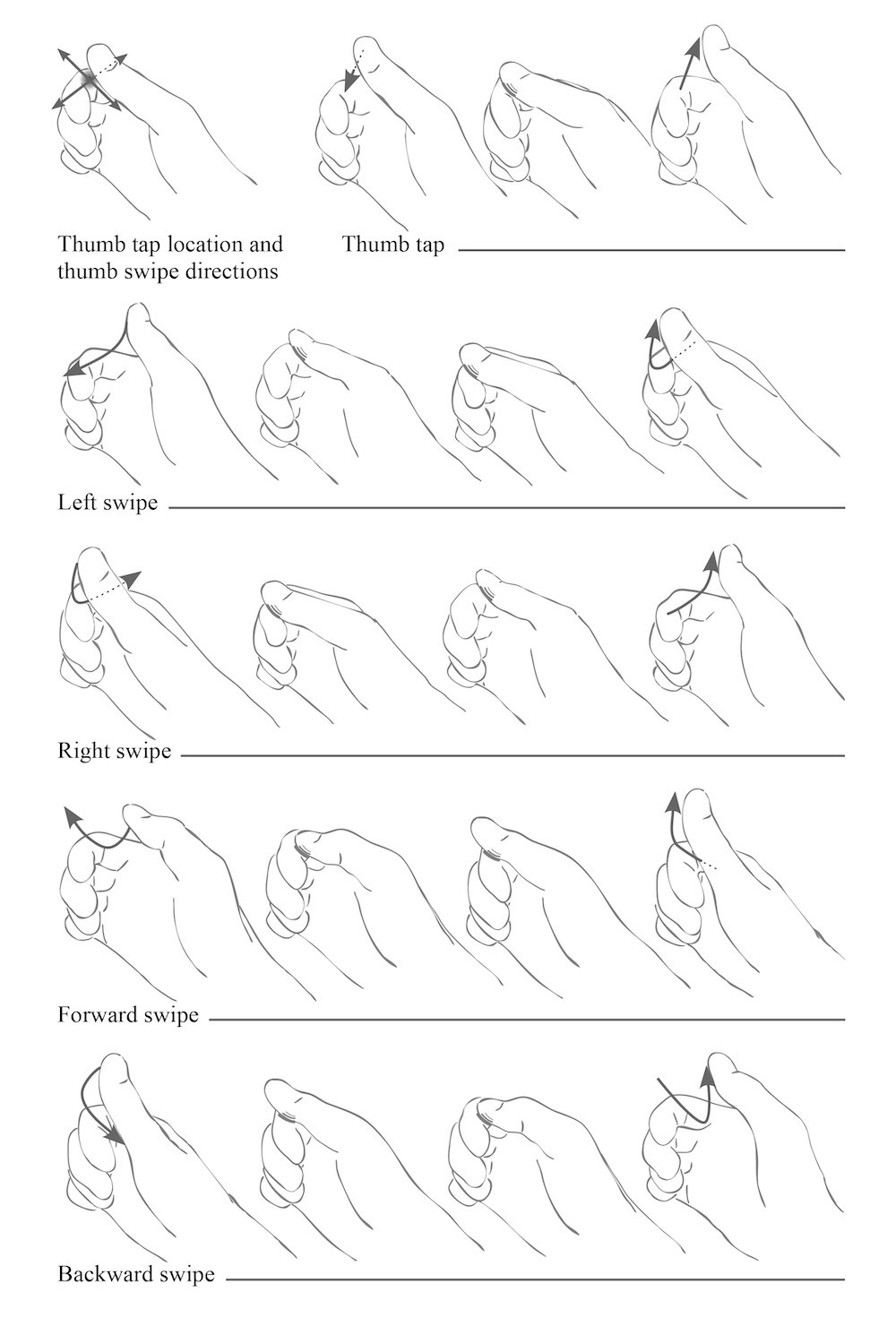
Quest hand tracking underpins controller-free input Meta is extending into WebXR. Image: Meta / Mixed-News
Official IWSDK docs at iwsdk.dev describe the contract CLEANLY. Gaze is a session-wide ray pointer; a pinch from either hand supplies SELECT. Both steps reuse the SAME pointer-event and Entity Component System path as hand and controller rays, so targets do NOT need gaze-specific components. Developers request it with gazeTracking: true in iwsdk.config.json.
A million monthly WebXR users — if developers rebuild
An SDK release is NOT a shipped consumer feature. Nothing a Quest owner OPENS in the browser CHANGES until a developer adopts 1.0 and REBUILDS. Mixed-News underscores that point, then quotes Meta’s early-access audience claim: since Connect 2024, an average of 1M+ users engage with WebXR experiences EVERY MONTH on Meta Quest. A browser interaction CHANGE can reach that audience with NO store REVIEW and NO install — once apps ship the UPDATE.
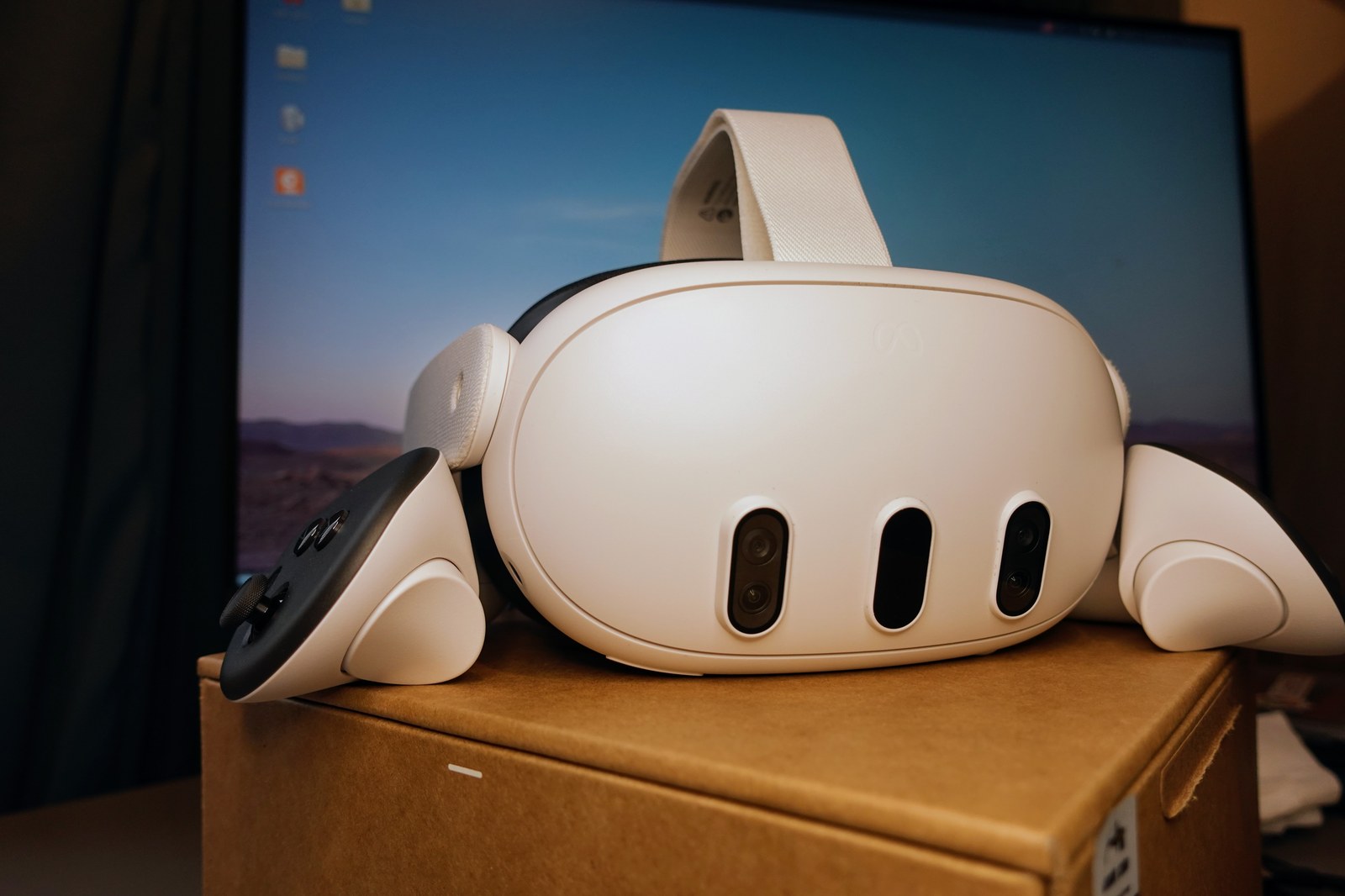
Meta Quest 3 remains the primary consumer hardware running Quest WebXR today. Image: Wikimedia Commons (CC BY-SA 4.0)
The STACK itself combines Three.js rendering with an ECS, plus locomotion, grabbing, spatial audio, Havok physics, scene understanding, and UIKitML for spatial interfaces. Meta’s documentation also ships a managed browser, XR emulation, a scene EDITOR, and CLI tools, so early WORK can happen on a desktop BEFORE a headset ever boots.
What still is not answered
Meta has NOT said which Horizon OS build or which browsers SUPPORT gaze-and-pinch in WebXR for end users. For NOW it is something developers can BUILD against, not a setting owners can TOGGLE. That gap MATTERS: Connect 2026 sold Meta VR Glasses as a hands-first device with more than 75 gesture-only games at a spring 2027 launch, and WebXR is the path that REACHES Quest owners this YEAR without waiting for that hardware.
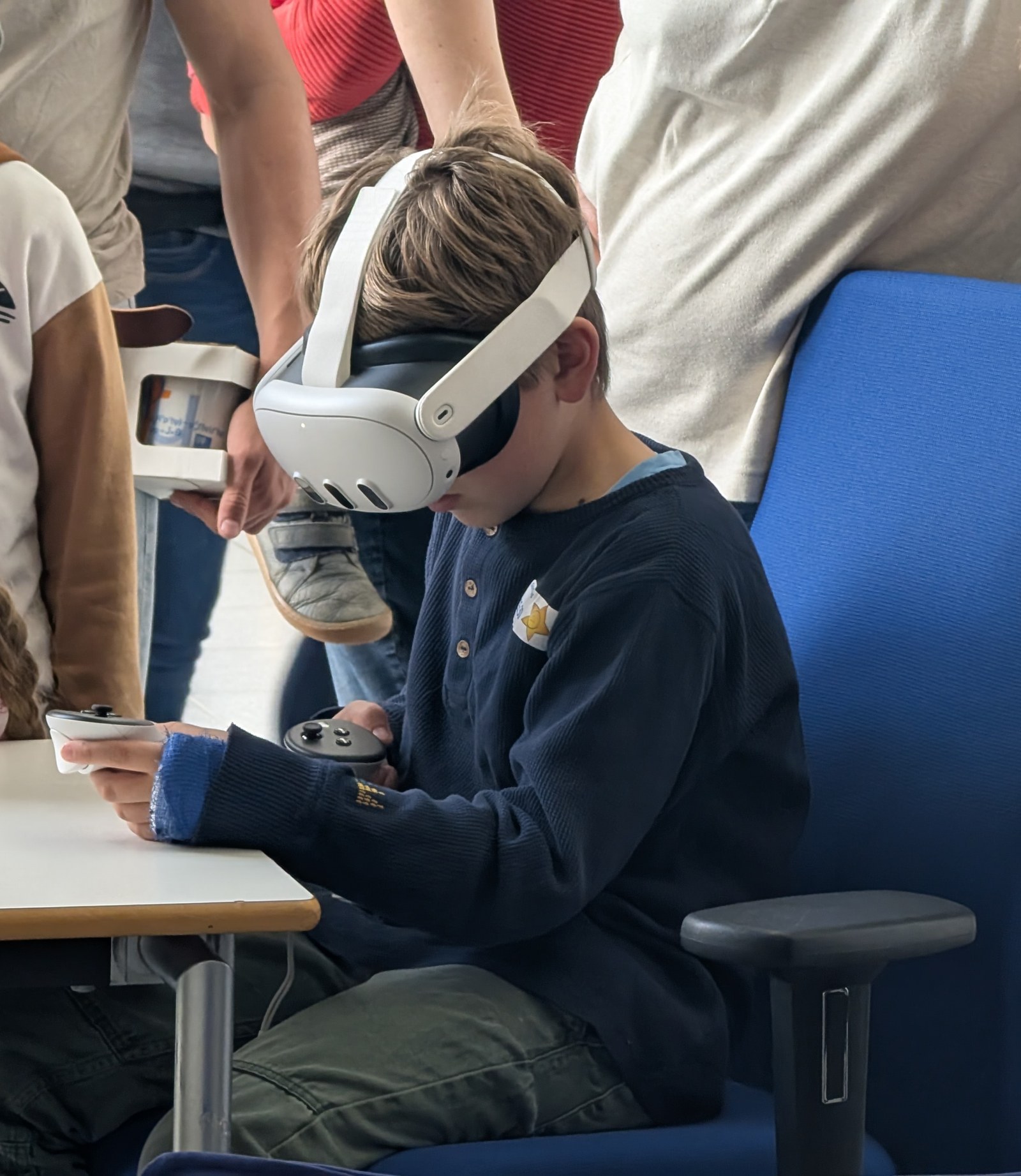
Quest owners already engage with browser-based WebXR experiences at scale, Meta says. Image: Wikimedia Commons (CC BY-SA 4.0)
Three CHECKPOINTS watchers should track NEXT. First, which Quest browser build actually GRANTS the gaze-tracking XR feature. Second, how quickly major WebXR titles REBUILD on IWSDK 1.0. Third, whether gaze-and-pinch in the browser becomes a BRIDGE to the glasses’ hands-first store, or stays a developer PREVIEW. Until those LAND, 1.0 is best read as the toolkit’s FIRST product contract — versioned, documented, and still waiting on the runtime to CATCH UP.
Reporting draws on Mixed-News (Michael Zelich, Sep 28, 2026), the npm @iwsdk/core 1.0.0 publish record (Sep 24, 2026), and Immersive Web SDK gaze-and-pinch documentation at iwsdk.dev.