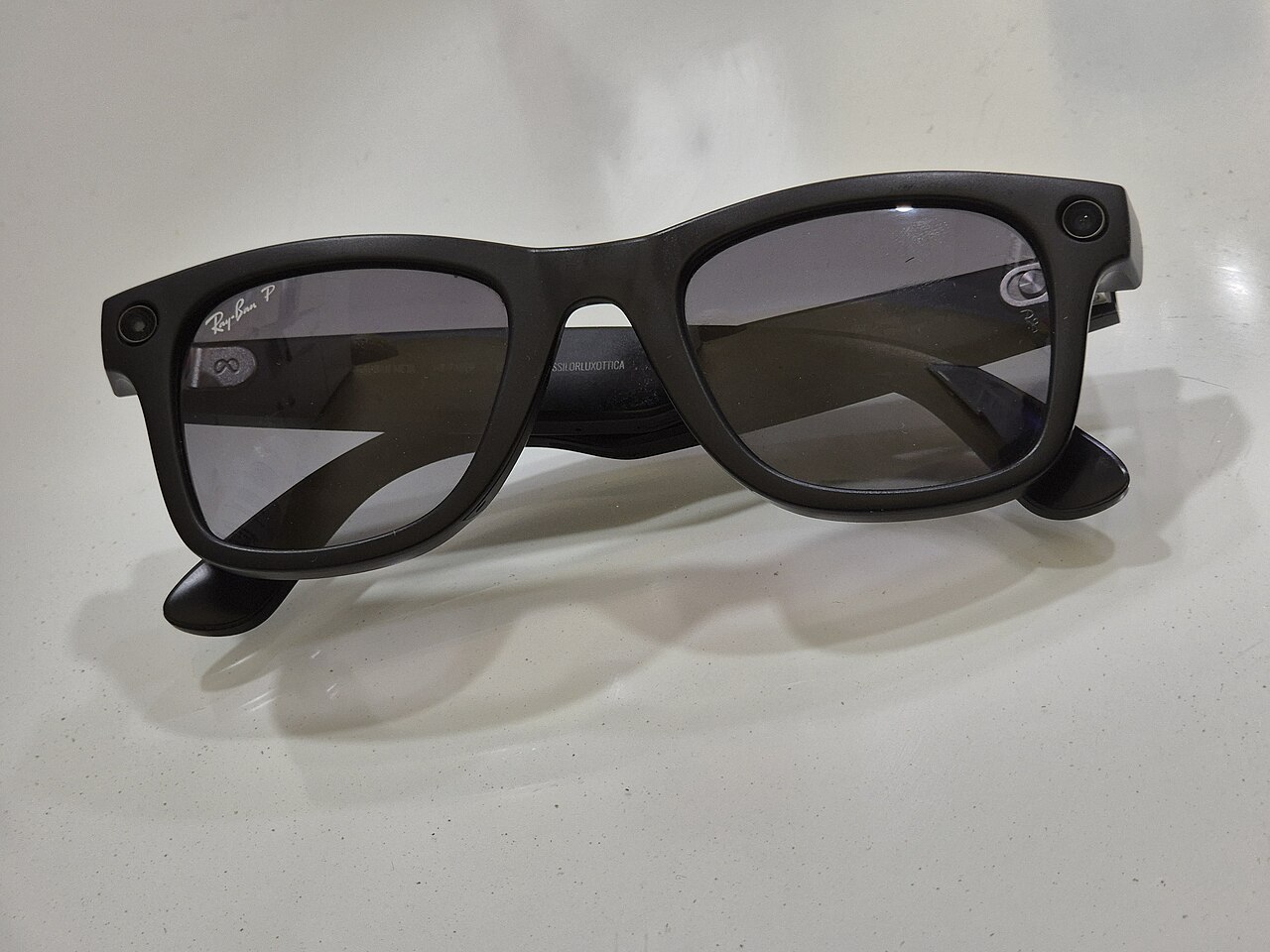
Meta confirmed it has shut off cameras on thousands of Ray-Ban Meta and Meta AI glasses after software detected capture-LED tampering. Semafor first reported the enforcement; Meta says the affected share is under 0.1% of units sold.
Semafor reported exclusively on September 1, 2026 that Meta has disabled photo and video capture on thousands of smart glasses after detecting users who covered or destroyed the white capture LED that signals recording. Business Insider and PetaPixel corroborated the same day. Meta’s vice president of wearables, Alex Himel, told Semafor the company estimates less than one tenth of one percent of glasses sold were tampered with. Meta did not publish a raw count; Semafor notes that 7 million pairs sold in 2025 alone, plus 2026 volume so far, puts the likely number of bricked cameras in the thousands.
What the update actually does
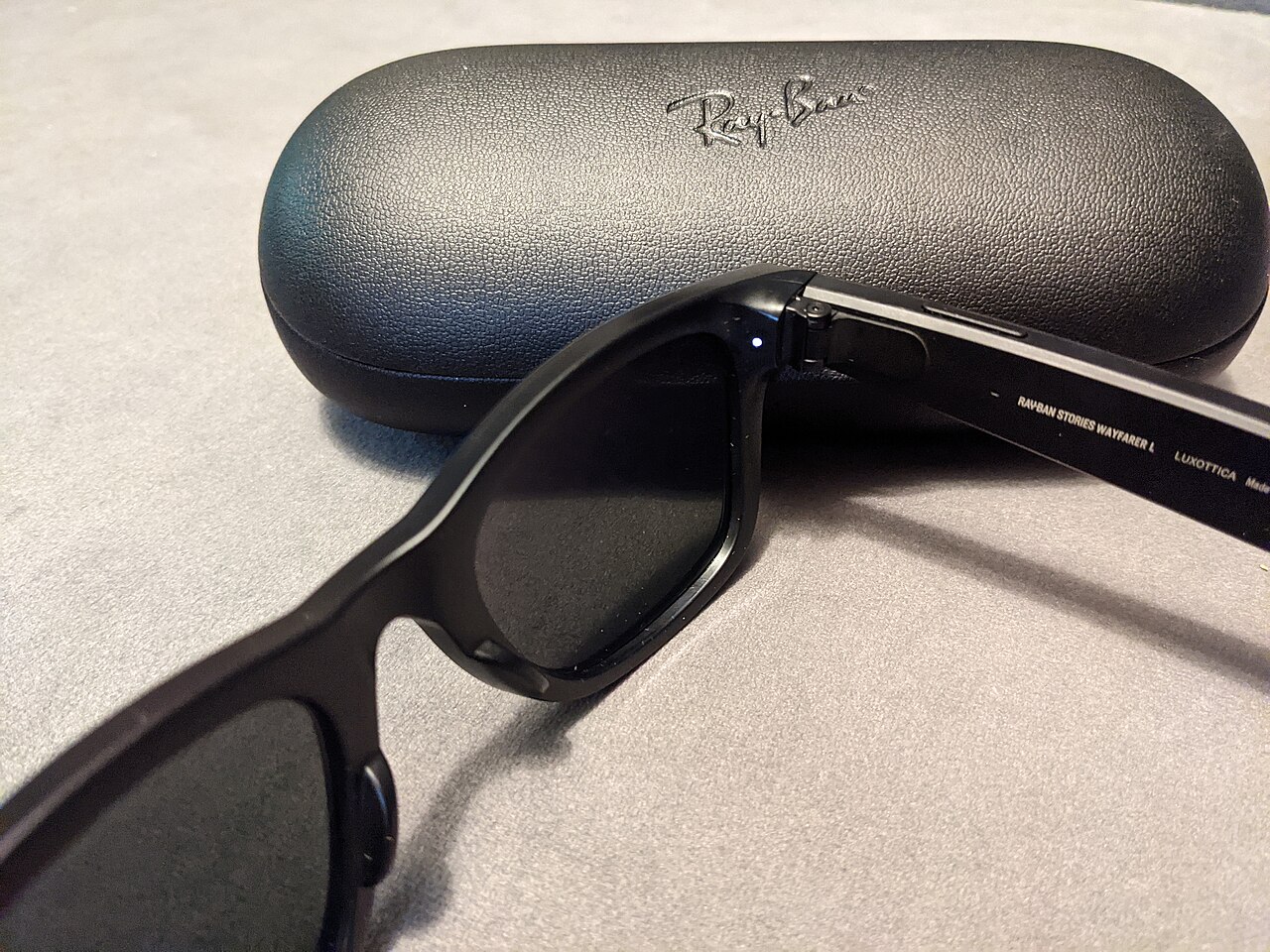
Meta’s capture LED has no off switch. It blinks for photos and stays blinking for video so bystanders can see when the glasses are recording. Earlier software already blocked recording when the LED was covered at start. Himel wrote on Threads that some users started a recording, waited a few seconds, then covered the light. The new rollout stops the camera if the light is covered during a recording, and it treats physically destroyed LEDs as a hard fail.
Business Insider’s reporting draws a useful line: if someone drilled out the LED, camera function does not come back. If they only used a sticker or other temporary cover, removing the obstruction restores capture. Without a camera, the hardware is effectively a Bluetooth headset with a Meta AI mic array.
Cat-and-mouse, plus a PR push
Himel described the fight to Semafor as “a little bit of a cat and mouse game,” adding that Meta does not expect to be finished: new workarounds appear, so the company will keep shipping detection updates. Parallel to the enforcement, Meta is running awareness creative. CTO Andrew Bosworth argued in an Instagram AMA that the glasses are “the most privacy-forward camera” for consumers because phones do not light up when they shoot. The company also put up Los Angeles billboards stressing the eyewear is “designed for everyone,” including people who are not wearing it.
Public pushback is already concrete. PetaPixel notes venues from a New York nightclub to a U.K. pub chain have moved to ban the glasses at the door after viral reports of non-consensual filming. That social friction is the context for Meta’s willingness to brick a small slice of its installed base rather than keep arguing the LED is enough on paper.
Accessibility is still the counter-narrative
Semafor’s interview also covers Meta’s assistive-device pitch: reading menus for blind and low-vision users, a donation of 130,000 pairs to legally blind U.S. veterans, and interest in government classification that could open Medicare or Medicaid pathways. Facial recognition remains off the near-term roadmap, Himel said. Disability advocate Keri Gray told Semafor she sees rising use among blind people while still calling for places and moments that stay sacred.
For Metaverse Watcher readers tracking AI glasses as a platform, the story is less about a one-off firmware patch and more about the cost of scale. Ray-Ban Meta is Reality Labs’ clearest consumer hit. Keeping that hit socially licenseable means Meta will keep spending engineering and PR on the capture LED—and will keep sacrificing the cameras of users who try to erase it.
Sources: Semafor (J.D. Capelouto, Sep 1, 2026); Business Insider; PetaPixel.
1 thought on “Meta Bricks Cameras on Thousands of AI Glasses Over LED Tampering”