Variety’s September 8 shopping desk and Best Buy’s corporate rollout put Meta Lab on the map: 900-square-foot shop-in-shops where Ray-Ban Meta, Oakley Meta, Ray-Ban Display, and Quest 3 finally get a try-on floor.
Variety reported on September 8, 2026 that select Best Buy stores are now running hands-on demos of Meta’s full wearables stack under the Meta Lab banner. That is not a new partnership announcement—Best Buy and Meta posted the plan in early June—but it is the clearest consumer-facing confirmation that the shops are open, staffed, and selling the try-on story Meta has needed for years.

What sits on the floor
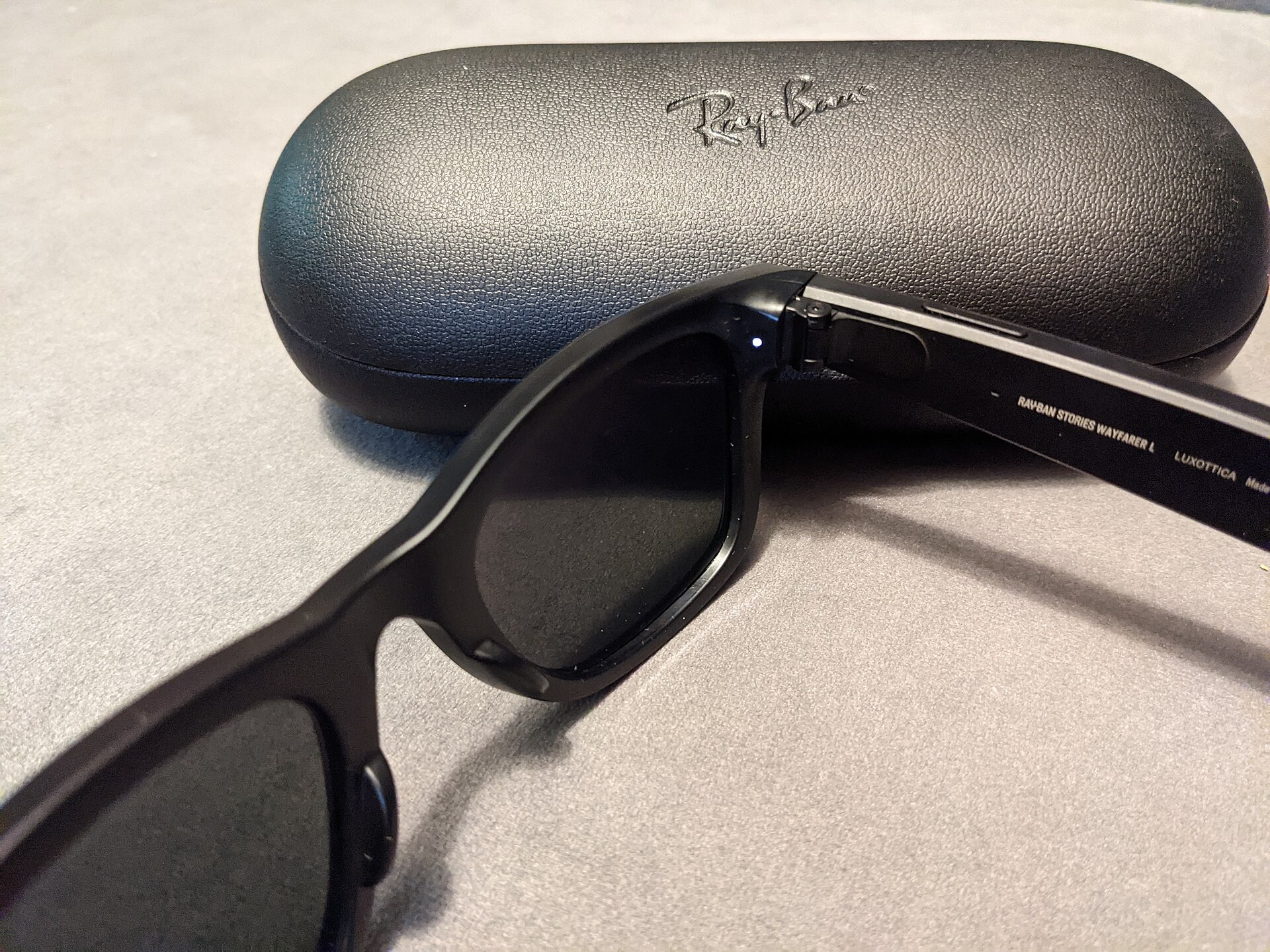
Per Best Buy’s corporate release, each Meta Lab is about 900 square feet carved out of an existing store. The lineup is explicit: Ray-Ban Meta, Meta Ray-Ban Display, Oakley Meta, Meta Quest 3, and Meta Quest 3S. Dedicated Meta Sales Specialists handle fittings and demos rather than routing shoppers to a general electronics associate. Smart mirrors let customers compare frame styles side by side. Display glasses demos cover in-lens notifications and Neural Band hand gestures without pulling out a phone. Quest stations cover games, theater-style viewing, and guided workouts.
9to5Toys, which tracked the summer rollout, later updated that Meta Lab experiences were live at 50 locations. Meta’s own target, repeated by Variety, is more than 50 Best Buy sites across the United States and Canada by year-end 2026. Exact city lists move; Best Buy’s store locator and Meta’s retail page remain the live sources.
Why the glasses own the wall
VR.org’s June analysis of the same rollout still reads as the sharpest take on the layout. Best Buy and Meta keep citing the same survey line: more than half of Best Buy customers say they want to see Meta’s AI glasses in person before buying. That is apparel logic applied to a face computer. Glasses get the style wall, mirrors, and fit specialists. Quest gets theater mode and a workout. A few years ago a Meta retail push this size would have been built around the headset. Now the headset shares the room—and it is not the thing with the dedicated wall.
Best Buy’s merchandising chief, Patrick McGinnis, framed the Labs as a destination experience customers cannot find elsewhere. Meta’s Christa Wittenberg, vice president of global retail sales, called the spaces a reimagining of how people shop the next generation of personal technology. Both quotes sit in the June corporate release; neither company has published conversion rates from Lab visits to purchases.
What this does—and does not—prove
Meta Lab is Meta admitting, in floor space, that specs and YouTube reviews do not close glasses sales. Renting corners inside Best Buy buys national physical presence without fifty commercial leases of Meta’s own. It also gives Best Buy a reason for shoppers to walk into a store in a category that still converts poorly online.
What remains unproven: whether try-on traffic turns into Display and Ray-Ban volume at the prices Meta is asking, and whether Quest demos in the same footprint move headsets or simply keep VR visible while glasses take the marketing lead. Variety’s September 8 note is a status check, not a sales report. For XR watchers, the useful fact is simpler. Meta is putting AI glasses where people already shop consumer electronics—and it is staffing the demo, not hoping a locked case sells itself.